
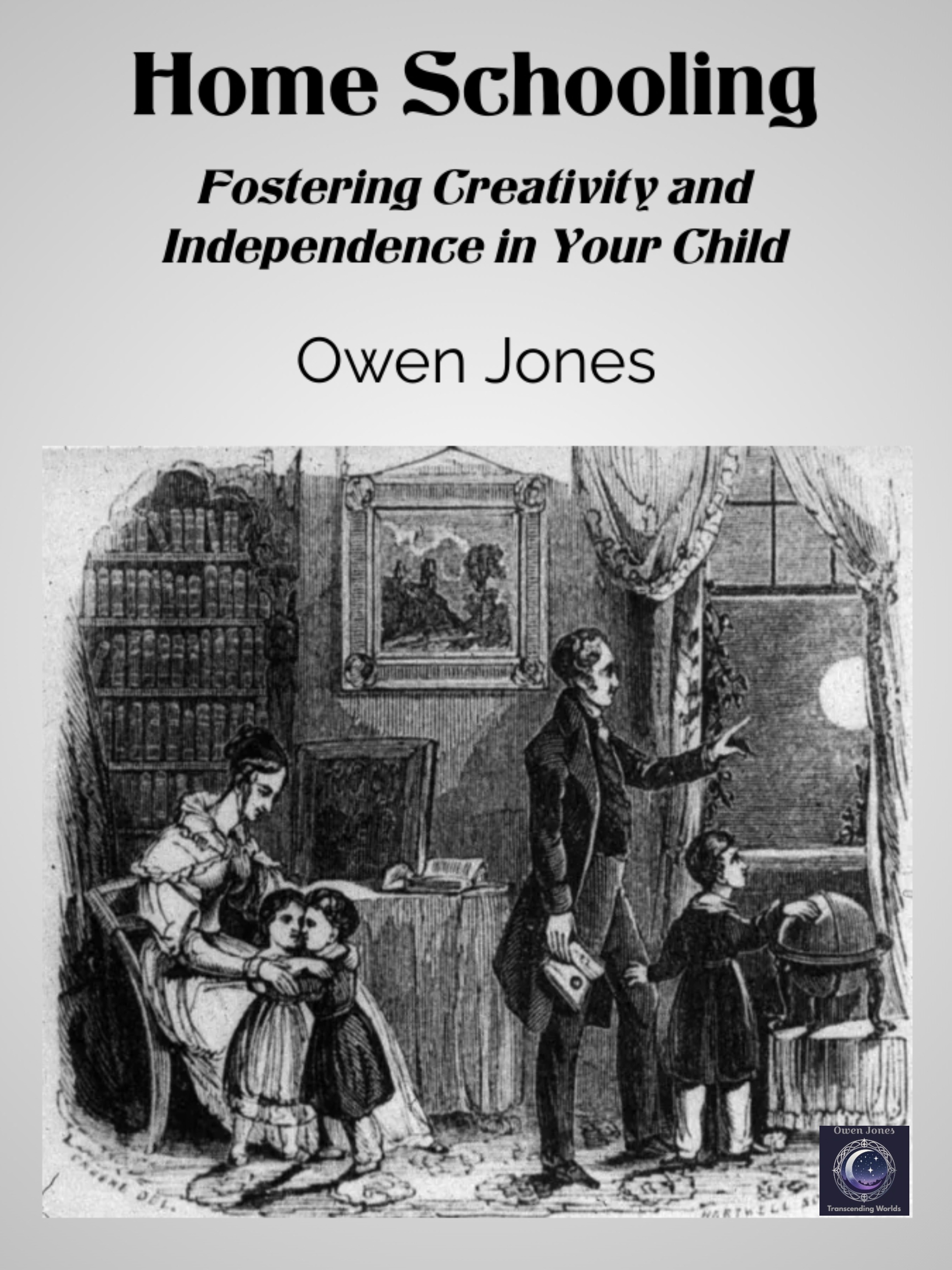

Fostering Creativity and Independence in Your Child
Home schooling has evolved far beyond its early roots as a niche educational choice. Today, millions of families around the world are choosing to educate their children at home, not only for academic flexibility but also for the freedom to nurture creativity, independence, and emotional well-being. Home Schooling – Fostering Creativity and Independence in Your Child explores how this personalised approach can transform the learning experience and help children thrive in ways that traditional schooling often cannot.
Benefits of the Home School
One of the greatest strengths of the home school is customisation. Instead of adhering to a rigid national curriculum, parents can tailor lessons to suit their child’s learning style, pace, and interests. This flexibility encourages children to engage more deeply with subjects they love – whether that’s science, art, music, or coding – and build lasting enthusiasm for discovery. Learning becomes an organic, enjoyable process, not a daily chore.
Equally important is the chance to nurture creativity. In many traditional settings, creativity can be overshadowed by testing and standardisation. A Home School allows room for imagination to flourish. Parents can weave creative writing, crafts, music, or project-based learning into everyday lessons, ensuring education remains lively and relevant. When children see learning as an extension of their natural curiosity, their creativity becomes a lifelong asset.
Foster Independence at Home
The book also highlights how home schooling promotes independence and responsibility. Students often learn to manage their own time, set goals, and take ownership of their education – skills that will serve them throughout life. Unlike classroom learning, where one pace fits all, home-schooled children learn to assess their own progress and make adjustments, developing a strong sense of self-discipline.
However, a home school is not without challenges. Parents may worry about maintaining structure, meeting curriculum standards, or ensuring social interaction. Home Schooling – Fostering Creativity and Independence in Your Child addresses these concerns with practical advice, from scheduling and lesson planning to incorporating digital tools and arranging social opportunities with other families. With the rise of online communities and educational platforms, home-schooled students now have access to rich networks of peers and resources worldwide.
Balanced Approach to Education
A central theme of the book is that home schooling is about balance – between structure and freedom, academic rigour and creative exploration, individuality and community. The author provides guidance for avoiding burnout, handling the administrative side of home schooling, and finding a rhythm that works for both parent and child.
Ultimately, this manual encourages parents to see themselves not just as teachers, but as mentors and facilitators of learning. A Home School is an opportunity to raise confident, capable, and curious children who understand how to think critically and adapt to change – essential qualities in today’s fast-paced world.
Whether you’re considering a home school for the first time or looking to refresh your current approach, Home Schooling – Fostering Creativity and Independence in Your Child offers inspiration and structure in equal measure. It’s a reassuring and empowering guide for parents who want to take education back into their own hands – and help their children reach their full potential in their own home school.
👉 Read more about establishing a home school or get your copy here.
Discover more from Megan Publishing Services
Subscribe to get the latest posts sent to your email.


You must be logged in to post a comment.