
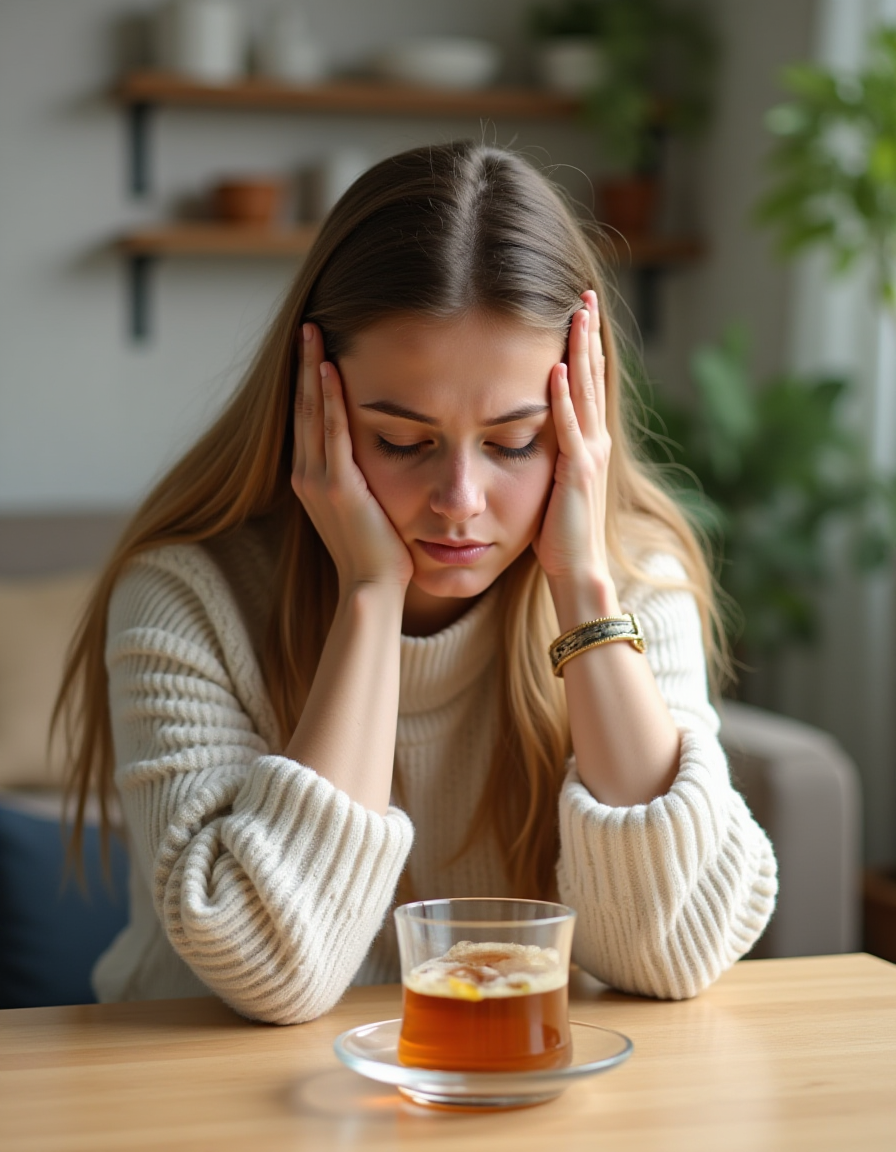


How the right herbal tea can help you stay asleep through the night
You fall asleep easily enough. That is not the problem. The problem is that you wake up two or three hours later, and then you lie there, wide awake, watching the hours tick by. Perhaps your mind starts racing. Perhaps you worry about the unfinished tasks of yesterday or the challenges of tomorrow. Perhaps there is no particular thought at all – just a frustrating, inexplicable alertness that will not let you drift back down. Difficulty staying asleep—sleep maintenance insomnia – is a different beast from difficulty falling asleep. The best herbal teas for difficulty staying asleep work by prolonging deep sleep, reducing nighttime awakenings, and helping you return to sleep more quickly when you do wake up. They address the specific challenge of staying asleep once you have gotten there. Read on to find out more if you have difficulty staying asleep.
Sleep Support Topics:
1] Herbal Teas for Difficulty Falling Asleep
2] Herbal Teas for Difficulty Staying Asleep
3] Herbal Teas for Early Morning Waking
4] Herbal Teas for Poor Sleep Quality
5] Herbal Teas for Stress-Related Insomnia
6] Home – Herbal Teas for Sleep
7] Home – Herbal Tea Benefits
8] The Herbal Tea Shop
If you’d like to try these teas for yourself, we’ve curated a selection of high-quality, tested sources below. Every product we recommend has been chosen for purity and potency, or visit our online Herbal Tea Shop for even more choice.
Looking for a specific herbal tea? Browse the full A–Z list here:
Herbal Teas A-Z List
Get the Free Herbal Tea Shop Cheat Sheet
How herbal teas help with difficulty staying asleep
The best herbal teas for difficulty staying asleep work through several mechanisms that target the unique physiology of sleep maintenance.
- Sedative herbs prolong the deeper stages of sleep, reducing the likelihood of waking during the night.
- Anxiolytic herbs reduce the anxiety that often accompanies nighttime awakening, preventing the spiral of worry that makes return to sleep impossible.
- Antispasmodic herbs relax physical tension that can build up during the night and trigger awakening.
- Nervine tonics strengthen the nervous system over time, reducing the baseline hyperarousal that makes sleep fragile and easily disrupted.
Unlike remedies for sleep onset, which focus on the transition from wakefulness to sleep, remedies for sleep maintenance focus on keeping you there once you have arrived.
The best herbal teas for difficulty staying asleep
Passionflower tea is one of the most effective herbal teas for those with difficulty staying asleep. It increases GABA levels in the brain, promoting sustained relaxation throughout the night. Unlike some sedatives that work quickly but wear off, passionflower has a longer duration of action, making it particularly useful for those who wake in the early hours. Passionflower also reduces the anxious rumination that often follows nighttime awakening, helping you accept the waking moment without panic and drift back down more easily. The tea has a mildly sweet, earthy, slightly grassy flavour that is well tolerated. Drink a cup before bed, and consider keeping a thermos of cooled passionflower tea by your bedside to sip if you wake during the night.
Valerian root tea has a long history of use for sleep maintenance insomnia. Some research suggests that valerian not only reduces sleep onset latency but also improves sleep quality and reduces nighttime awakenings. Valerian appears to work by increasing GABA availability in the brain, similar to passionflower but with a stronger effect. However, valerian is inconsistent – some people find it profoundly helpful, while others notice little benefit. It also has a strong, earthy, somewhat unpleasant aroma and flavour that many find off-putting. Valerian is often blended with lemon balm or peppermint to improve palatability. If you choose valerian to counteract your difficulty staying asleep, try it for the first time on a night when next-day alertness is not critical, as some people experience next-day drowsiness.
Lemon balm tea is a gentle nervine that works well for mild difficulty staying asleep, particularly when nighttime awakenings are driven by stress or nervous tension. Lemon balm influences GABA activity and has been shown to improve calmness and reduce feelings of alertness-related tension. It is often combined with valerian or passionflower to enhance their effects on people’s difficulty staying asleep, but it can be effective on its own for those whose sleep maintenance issues are mild. Unlike stronger herbs, lemon balm does not cause next-day drowsiness. Its mild, citrusy flavour is pleasant, and it can be drunk before bed or during the night.
Lavender tea is well known for its calming aroma, but drinking lavender tea also provides internal benefits for sleep maintenance. Lavender contains linalool and linalyl acetate, compounds that have been shown to prolong deep sleep and reduce nighttime awakenings. Unlike aromatherapy, which works through the olfactory system, drinking lavender tea allows the compounds to enter the bloodstream through digestion, potentially offering more sustained effects on a difficulty staying asleep throughout the night. Lavender tea has a distinct, perfumed flavour that some find relaxing and others find overpowering. It blends well with chamomile or lemon balm for those who prefer a milder taste.
Chamomile tea is often thought of as a remedy for falling asleep, but it can also help with staying asleep, particularly when sleep maintenance issues are mild and stress-related. Chamomile’s mild GABAergic effects promote sustained relaxation without heavy sedation. It is exceptionally safe and can be used nightly without concern. For those who wake in the night, a cup of cooled chamomile tea kept by the bedside can provide a gentle, non-stimulating way to ease back into sleep. The act of sipping itself – warm, rhythmic, soothing – can serve as an anchor, redirecting attention away from anxious thoughts and toward a simple physical sensation that can counteract any difficulty staying asleep.
Ashwagandha tea is not for acute nighttime awakening but rather for the kind of chronic hyperarousal that makes sleep fragile and easily disrupted. Ashwagandha is an adaptogen that helps lower cortisol levels, the primary stress hormone. When cortisol remains elevated during the night, it can cause awakening and make return to sleep difficult. By addressing this underlying hormonal imbalance, ashwagandha can help consolidate sleep and reduce nighttime awakenings. Unlike the other herbs on this list, ashwagandha works cumulatively against any difficulty staying asleep, with benefits typically becoming noticeable after two to four weeks of consistent daily use. It is best taken earlier in the evening or even in the morning, rather than immediately before bed.
California poppy tea (Eschscholzia californica) is a lesser-known but effective herb for sleep maintenance. Unlike its relative the opium poppy, California poppy contains no narcotic compounds. It has mild sedative and anxiolytic properties and appears to be particularly useful for reducing nighttime awakenings and improving sleep quality. California poppy is often combined with valerian or passionflower for an enhanced effect on any difficulty staying asleep. Its flavour is mild and slightly bitter.
If you’d like to try these teas for yourself, we’ve curated a selection of high-quality, tested sources below. Every product we recommend has been chosen for purity and potency, or visit our online Herbal Tea Shop for even more choice.
How to choose the right tea for your difficulty staying asleep
Selecting the best herbal tea for your difficulty staying asleep depends on the specific pattern of your sleep maintenance problem.
For waking in the early hours with a racing mind: Passionflower is your best option. Its GABAergic effects help quiet mental overactivity and reduce the anxiety that keeps you awake, counteracting any difficulty staying asleep.
For frequent, brief awakenings throughout the night: Valerian may help consolidate sleep and reduce the number of awakenings, though results vary.
For mild, stress-related nighttime waking: Lemon balm or chamomile offer gentle support without heavy sedation or next-day drowsiness.
For sleep that feels shallow and unrefreshing: Lavender may help prolong deep sleep and improve overall sleep quality.
For chronic, long-standing sleep maintenance issues with high daytime stress: Ashwagandha, taken daily for several weeks, addresses the underlying cortisol dysregulation that makes sleep fragile.
For those who are pregnant or breastfeeding: Chamomile is generally considered safest, though medical advice should always be sought. Passionflower and valerian are typically avoided during pregnancy.
For children with difficulty staying asleep: Chamomile is the gentlest option. Lemon balm may also be suitable in smaller quantities.
How to use herbal teas to counteract any difficulty staying asleep effectively
Before bed. Drink your chosen tea thirty to sixty minutes before bed. This allows time for the active compounds to be absorbed and begin working. For sleep maintenance issues, you want the herbs to be active during the night, so timing is important.
Keep tea by the bedside. Prepare an extra cup of tea before bed and keep it in a thermos or insulated mug by your bed. If you wake during the night, you will have a warm, ready-to-drink cup without needing to go to the kitchen. The tea will have cooled slightly, which is fine – cool or room-temperature tea is still effective.
Sip slowly during nighttime waking. If you wake up, do not lie there tossing and turning. Sit up slightly, take the cup of tea, and sip slowly. Focus on the warmth, the flavour, the rhythm of sipping. This simple act can interrupt the cycle of anxious thoughts and help your nervous system settle back toward sleep, thus counteracting your difficulty staying asleep.
Do not check the time. When you wake at night, do not look at the clock. Seeing the time—especially if it is very late or very early—can trigger anxiety and make return to sleep more difficult. Keep your phone face down and your clock turned away.
Create a calming nighttime ritual. The same ritual that helps you fall asleep also helps you stay asleep. A consistent bedtime routine signals to your brain that the night is for rest, reducing the likelihood of nighttime awakening.
Be patient. Herbal teas are not sleeping pills. Their effects are subtle and cumulative. You may not notice dramatic changes immediately, but over time, you may find that you wake less often, or that when you do wake, you return to sleep more quickly.
Safety considerations
Most herbal teas for difficulty staying asleep are safe for regular use when taken as directed. However, several precautions apply.
Valerian root may cause next-day drowsiness in some individuals. Do not drive or operate heavy machinery until you know how valerian affects you. It should not be combined with alcohol or sedative medications.
Passionflower is generally safe but may cause dizziness in sensitive individuals. Pregnant women should avoid passionflower due to potential uterine-stimulating effects.
Ashwagandha should be used with caution by those with thyroid conditions, as it can increase thyroid hormone levels. It may also interact with sedatives and diabetes medications.
Chamomile may cause allergic reactions in individuals sensitive to ragweed, chrysanthemums, marigolds, or other plants in the Asteraceae family.
Lemon balm is generally very safe but may interact with thyroid medications and sedatives.
California poppy may cause mild drowsiness. Its safety during pregnancy and breastfeeding has not been established, so it is not included in the list of recommended products below.
If you have chronic insomnia, an underlying medical condition, or are taking medication, consult your healthcare provider before using herbal teas for sleep. Persistent difficulty staying asleep may indicate an underlying issue such as sleep apnoea or hormonal imbalance that requires professional attention.
If you’d like to try these teas for yourself, we’ve curated a selection of high-quality, tested sources below. Every product we recommend has been chosen for purity and potency, or visit our online Herbal Tea Shop for even more choice.
FAQ
What is the best herbal tea for staying asleep through the night?
Passionflower tea is often recommended for sleep maintenance because of its longer duration of action and ability to reduce nighttime awakenings. Valerian is another option, though results vary.
Can herbal tea help if I wake up at 3am every night?
Yes. Passionflower and valerian may help reduce the frequency and duration of nighttime awakenings. Keeping a thermos of tea by your bedside to sip when you wake can also help you return to sleep more quickly.
Is it safe to drink herbal tea if I have difficulty staying asleep every night?
Gentle herbs like chamomile and lemon balm are safe for nightly use. Stronger herbs like valerian and passionflower are best used occasionally or cycled to prevent tolerance.
Why do I keep waking up at the same time every night?
Nighttime waking at consistent times can be related to cortisol rhythms, blood sugar drops, or conditioned arousal (your body has learned to wake at that time). Ashwagandha may help regulate cortisol, and a small snack before bed can help stabilise blood sugar.
Can children drink herbal tea for difficulty staying asleep?
Chamomile tea is generally safe for children in appropriate doses. Lemon balm may also be suitable. Valerian, passionflower, and California poppy should only be used under professional guidance.
Conclusion
The best herbal teas for difficulty staying asleep offer gentle, non-habit-forming support for those who fall asleep easily but cannot stay there. Passionflower helps quiet nighttime racing thoughts and prolongs deep sleep. Valerian may reduce the number of awakenings. Lemon balm and chamomile provide gentle support for mild, stress-related sleep maintenance issues. Lavender helps consolidate sleep. Ashwagandha addresses the underlying cortisol dysregulation that makes sleep fragile. By matching the herb to your specific pattern of nighttime waking and using it consistently as part of a calming bedtime ritual, you can help your nervous system stay settled throughout the night and wake less often.
Recommended Products
If you’d like to try these teas for yourself, we’ve curated a selection of high-quality, tested sources below. Every product we recommend has been chosen for purity and potency, or visit our online Herbal Tea Shop for even more choice.
👉 Best to try first: Valerian Root Tea
Valerian has been shown to improve sleep quality and reduce nighttime awakenings. It is particularly useful for sleep maintenance.
Start here:
Valerian root tea (loose leaf): https://amzn.to/4sq5x43
Valerian root tea bags: https://amzn.to/4t1QQ7g
Passionflower tea (loose leaf): https://amzn.to/4dhmjNZ
Passionflower tea bags: https://amzn.to/4lXRdgt
Lemon balm tea (loose leaf): https://amzn.to/4bA4NlH
Lemon balm tea bags: https://amzn.to/47elJNf
Lavender tea (loose leaf): https://amzn.to/4bCESLp
Chamomile tea (loose leaf): https://amzn.to/3Pv6zgo
Chamomile tea bags: https://amzn.to/4bCq3XM
Ashwagandha root tea (loose leaf): https://amzn.to/4sKLQEh
Manuka Honey: https://amzn.to/47p7i9g
High-quality Garlic press: https://amzn.to/4sFBsxD
Tea infuser: https://amzn.to/4lAToGE
Glass teapot: https://amzn.to/4snGsGY
Storage boxes: https://amzn.to/47UQgQf
Assortment Box: https://amzn.to/3NFO9ZJ
Visit our online Herbal Tea Shop for more choice!
Do you read novels? Visit our bookshop to check out the ‘culturally grounded, Otherworldly narratives’ by Owen Jones.
Looking for a specific herbal tea? Browse the full A–Z list here:
Herbal Teas A-Z List
Get the Free Herbal Tea Shop Cheat Sheet
Further Reading
For a full evidence-based overview of herbal tea benefits, safety, and quality considerations, read our complete guide to Herbal Tea Benefits
1] To understand the science behind sleep and herbal tea, see:
The Science of Sleep and Herbal Tea
2] For timing and selection of evening teas, see:
Best Teas to Drink Before Bed
3] For a comparison of sleep-promoting herbs, see:
Chamomile vs Valerian for Sleep?
4] For information on magnesium as an alternative sleep aid, see:
Magnesium vs Herbal Tea for Sleep
5] For creating DIY nighttime blends, see:
Best Night-Time Tea Blends (DIY Recipes)
6] For safety guidance on regular tea consumption, see:
Are Herbal Teas Safe?
7] For potential interactions with medications, see:
Herbal Tea and Medication
Visit our bookshop to check out the ‘culturally grounded, Otherworldly narratives’ by Owen Jones.
References
1] National Health Service (NHS) – Insomnia:
https://www.nhs.uk/conditions/insomnia/
Provides medical guidance on sleep problems, including difficulty staying asleep.
2] National Center for Complementary and Integrative Health (NCCIH) – Passionflower:
https://www.nccih.nih.gov/health/passionflower
Summarises research on passionflower for sleep and anxiety.
3] National Center for Complementary and Integrative Health (NCCIH) – Valerian:
https://www.nccih.nih.gov/health/valerian
Offers evidence-based information on valerian for sleep quality.
4] Cleveland Clinic – Natural Sleep Aids for Nighttime Waking:
https://health.clevelandclinic.org/natural-sleep-aids
Provides practical recommendations for staying asleep naturally.