

How herbal tea supports skin health from the inside out
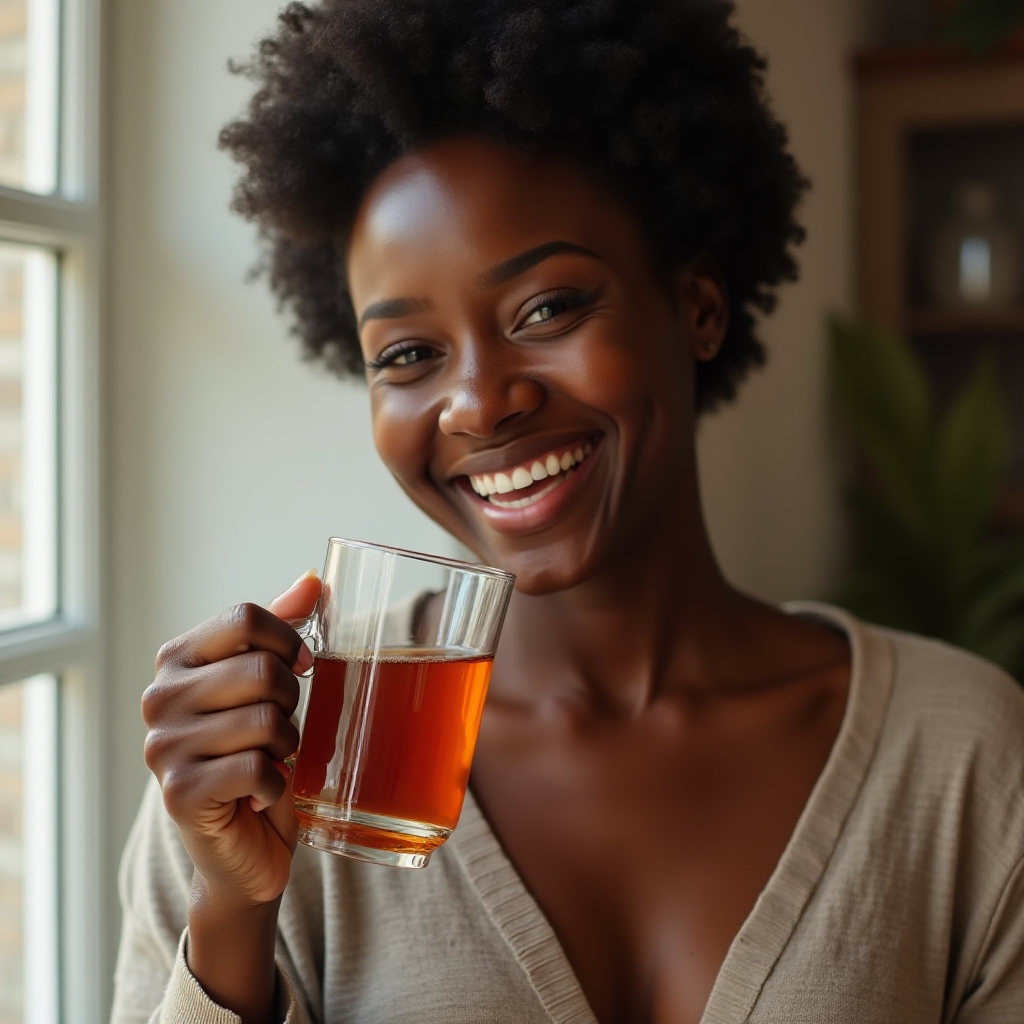
The quest for glowing skin often focuses on topical creams and serums, but true radiance begins from within. Herbal tea for glowing skin offers a gentle, holistic approach to improving skin health by addressing underlying factors such as inflammation, hydration, digestion, and antioxidant status. While no single tea will transform skin overnight, consistent consumption of specific herbs can support the body’s natural processes that contribute to a clear, vibrant complexion. By reducing internal inflammation, supporting liver function, and providing protective antioxidants, herbal tea can become a valuable part of your skincare routine. Read on to find out more.
Health and Beauty Support Topics:
1] Herbal Tea for Glowing Skin
2] Anti-Ageing Herbal Teas
3] Herbal Tea for Acne-free Clear Skin
4] Herbal Teas for Dark Circles
5] Herbal Teas for Hair Growth
6] Herbal Teas for Dull Skin
7] Home – Health & Beauty
8] Home – Herbal Tea Benefits
9] The Herbal Tea Shop
If you’d like to try the herbal teas on this page for yourself, we’ve curated a selection of high-quality, tested sources below. Every product we recommend has been chosen for purity and potency, or visit our online Herbal Tea Shop for even more choice.
Looking for a specific herbal tea? Browse the full A–Z list here:
Herbal Teas A-Z List
Get the Free Herbal Tea Shop Cheat Sheet
How herbal tea contributes to glowing skin
Herbal tea supports skin health through several interconnected mechanisms. Antioxidant compounds such as flavonoids, polyphenols, and anthocyanins help protect skin cells from oxidative stress caused by UV exposure, pollution, and normal ageing. Anti-inflammatory herbs reduce systemic inflammation, which can manifest as redness, acne, or dullness. Hydration is fundamental – well-hydrated skin appears plumper, smoother, and more radiant. Digestive support helps ensure efficient nutrient absorption and waste elimination, both of which affect skin clarity. Liver-supporting herbs aid the body’s natural detoxification processes, reducing the burden on the skin as a secondary elimination organ. Hormonal balance can be gently supported by certain herbs, addressing underlying factors in acne or dullness.
Best herbal teas for glowing skin
Hibiscus tea is rich in anthocyanins and alpha-hydroxy acids (AHAs), which are known to support skin health. Hibiscus contains high levels of vitamin C and antioxidants that help protect collagen from degradation. Often called the “Botox plant” for its traditional use in skin health, hibiscus tea may help maintain skin elasticity and brightness.
Rooibos Tea is packed with antioxidants, including aspalathin and nothofagin, which are unique to this South African herb. These compounds help protect skin cells from oxidative damage. Rooibos is also naturally caffeine-free and contains zinc and alpha-hydroxy acids, making it a gentle, daily option for supporting glowing skin.
Chamomile tea has anti-inflammatory and mild antibacterial properties. It can help calm skin irritation and redness from within, making it a good choice for those with sensitive or acne-prone skin. Its calming effects also reduce stress-related skin flare-ups.
Nettle tea is rich in silica, a mineral important for collagen production and skin elasticity. Nettle also provides iron, calcium, and vitamin C, supporting overall skin health and repair. It is often used traditionally to support clear, radiant skin.
Dandelion root tea supports liver function, helping the body eliminate toxins that might otherwise contribute to skin congestion. By improving digestion and reducing internal inflammation, dandelion can help promote a clearer complexion and glowing skin.
Spearmint tea has been studied for its potential to reduce androgen activity, which can help with hormonal acne. For those dealing with breakouts linked to hormonal fluctuations, spearmint tea may support clearer skin over time.
Rosehip tea is exceptionally high in vitamin C, which is essential for collagen synthesis. Rosehips also contain antioxidants that help protect your glowing skin from premature ageing. This floral, slightly tart tea is a direct support for skin structure, and so glowing skin.
Green tea (from Camellia sinensis) is rich in catechins, powerful antioxidants that protect skin from UV damage and inflammation. While not a true herbal tea, it is often included in skin health discussions and can complement herbal options.
Lemon balm tea has antiviral and antioxidant properties that may help with cold sores or skin irritation. Its calming effects also reduce stress-related skin issues.
Calendula tea (marigold) is traditionally used for skin healing and anti-inflammatory support. While often applied topically, drinking calendula tea may also support skin health from within producing a glowing skin externally.
If you’d like to try the above herbal teas for yourself, we’ve curated a selection of high-quality, tested sources below. Every product we recommend has been chosen for purity and potency, or visit our online Herbal Tea Shop for even more choice.
How herbal tea addresses specific skin concerns
For acne and breakouts: Spearmint (for hormonal acne), nettle (for overall skin health), and dandelion (for liver support) are excellent choices. These herbs address underlying factors such as hormone balance and toxin elimination.
For dullness and lack of radiance: Hibiscus and rosehip teas are rich in vitamin C and antioxidants that brighten and protect. Rooibos provides gentle antioxidant support.
For redness and inflammation: Chamomile and calendula offer anti-inflammatory benefits that can calm irritated skin from within.
For ageing and fine lines: Hibiscus (collagen protection), rosehip (vitamin C), and nettle (silica) support skin structure and elasticity.
For hydration: All herbal teas contribute to fluid intake, but rooibos and chamomile are particularly gentle options for daily hydration.
How to use herbal tea for glowing skin effectively
Consistency is key. Drinking one to three cups of skin-supporting herbal tea daily over several weeks or months yields more noticeable results than occasional use. The skin regenerates slowly, and cumulative antioxidant and anti-inflammatory support produces gradual improvement.
Rotate herbs. Different herbs offer different compounds. Rotating between hibiscus, rooibos, nettle, and spearmint provides a broader range of skin-supporting nutrients resulting in a higher chance of producing a glowing skin.
Combine with hydration. Herbal tea contributes to overall fluid intake, which is essential for skin plumpness and function. Aim for adequate water alongside your teas.
Support from the outside. While drinking herbal tea supports skin from within, topical skincare, sun protection, and a balanced diet remain essential components of a glowing skin routine.
Be patient. Unlike a topical cream that may show results in days, herbal tea works through systemic support. Visible improvements typically appear after several weeks of consistent use.
Safety considerations
Most herbal teas for glowing skin are safe for regular use. However, spearmint tea should be used with caution by pregnant women or those with hormone-sensitive conditions, as it can affect androgen levels. Nettle tea may interact with blood-thinning medications and diuretics. Dandelion root may affect bile flow and should be used cautiously by those with gallbladder issues. If you are pregnant, breastfeeding, or taking medication, consult a healthcare provider before adding new herbs to your routine.
FAQ
What is the best herbal tea for glowing skin?
Hibiscus tea is excellent for its antioxidant and collagen-protecting properties. For overall skin health, a rotation of hibiscus, rooibos, nettle, and spearmint provides comprehensive support.
Can herbal tea really improve skin?
Yes, through consistent support of hydration, antioxidant status, inflammation reduction, and digestive health. However, results are gradual and work best alongside a balanced lifestyle.
How long does it take to achieve glowing skin from drinking herbal tea?
Most people notice improvements after 4–8 weeks of consistent daily consumption, as skin cell turnover and cumulative antioxidant benefits take time.
Is green tea or herbal tea better for skin?
Both have benefits. Green tea is rich in catechins, while herbal options like hibiscus and rooibos offer different antioxidant profiles. Rotating between them provides broader support.

Conclusion
Herbal tea for glowing skin offers a gentle, sustainable approach to skin health that works from the inside out. Hibiscus provides antioxidant and collagen protection, rooibos delivers unique polyphenols, nettle supplies silica for skin structure, and spearmint supports hormonal balance. By choosing the right herbs for your specific skin concerns and drinking them consistently as part of a healthy lifestyle, you can support the natural processes that lead to clear, radiant, and healthy-looking skin.
Recommended Products
If you’d like to try the above herbal teas for yourself, we’ve curated a selection of high-quality, tested sources below. Every product we recommend has been chosen for purity and potency, or visit our online Herbal Tea Shop for even more choice.
👉 Best to try first: Hibiscus Tea
Hibiscus is rich in vitamin C and antioxidants that protect collagen and brighten skin.
Start here:
Hibiscus tea (loose leaf): https://amzn.to/4bzVBOd
Hibiscus tea bags: https://amzn.to/40IUXZB
Rooibos tea (loose leaf): https://amzn.to/4sAltAK
Rooibos tea bags: https://amzn.to/4bJInyd
Nettle tea (loose leaf): https://amzn.to/4bHUsnA
Nettle tea bags: https://amzn.to/47gzNWs
Spearmint tea (loose leaf): https://amzn.to/4bTpAAQ
Spearmint tea bags: https://amzn.to/41vhLMG
Chamomile tea (loose leaf): https://amzn.to/3Pv6zgo
Chamomile tea bags: https://amzn.to/4bCq3XM
Dandelion tea (loose leaf): https://amzn.to/4bFTPep
Dandelion tea bags: https://amzn.to/4dA1Vrp
Rosehip tea (loose leaf): https://amzn.to/3PG1yln
Rosehip tea bags: https://amzn.to/4dVbJMS
Calendula tea (loose leaf): https://amzn.to/3QbtyNO
Manuka Honey: https://amzn.to/47p7i9g
High-quality Garlic press: https://amzn.to/4sFBsxD
Tea infuser: https://amzn.to/4lAToGE
Glass teapot: https://amzn.to/4snGsGY
Storage boxes: https://amzn.to/47UQgQf
Assortment Box: https://amzn.to/3NFO9ZJ
Visit our online Herbal Tea Shop for more choice!
Do you read novels? Visit our bookshop to check out the ‘culturally grounded, Otherworldly narratives’ by Owen Jones.
Looking for a specific herbal tea? Browse the full A–Z list here:
Herbal Teas A-Z List
Get the Free Herbal Tea Shop Cheat Sheet
Further Reading
For a full evidence-based overview of herbal tea benefits, safety, and quality considerations, read our complete guide to Herbal Tea Benefits
1] To understand how antioxidants in herbal tea support overall health, see:
Antioxidants in Herbal Tea
2] For information on hibiscus and its skin benefits, see:
Hibiscus as the “Botox Plant”
3] To explore more on acne and skin clarity, see:
Tea for Acne
4] For broader skin health guidance, see
Best Teas for Skin Health
Visit our bookshop to check out the ‘culturally grounded, Otherworldly narratives’ by Owen Jones.
References
1] National Center for Complementary and Integrative Health (NCCIH) – Antioxidants
Provides evidence-based information on antioxidants and health.
2] National Institutes of Health (NIH) – Vitamin C and Skin Health
Explains the role of vitamin C in collagen synthesis and skin health.
3] Cleveland Clinic – Nutrition for Healthy Skin: https://health.clevelandclinic.org/nutrition-for-healthy-skin
Offers practical guidance on dietary approaches to skin health.
4] British Association of Dermatologists – Diet and Skin
Provides professional guidance on factors affecting skin health.
Looking for a specific herbal tea? Browse the full A–Z list here:
Herbal Teas A-Z List
Get the Free Herbal Tea Shop Cheat Sheet