

The citrusy herb for digestion, circulation, and wellness
Lemongrass tea has been used for centuries in traditional medicine to support digestion, circulation, and overall wellness. Unlike many medicinal herbs that are bitter or unpleasant, lemongrass has a bright, citrusy flavour that makes it a pleasure to drink. In this article, you will learn how lemongrass tea can help with bloating, stress, and blood pressure – and how to prepare it at home.
“If you’d like to try the herbal teas mentioned in this article for yourself, we’ve curated a selection of high-quality, tested sources below. Every product we recommend has been chosen for purity and potency, or visit our online Herbal Tea Shop for even more choice”.
Looking for a specific herbal tea? Browse the full A–Z list here:
Herbal Teas A-Z List
Get the Free Herbal Tea Shop Cheat Sheet
What lemongrass tea is and how it works
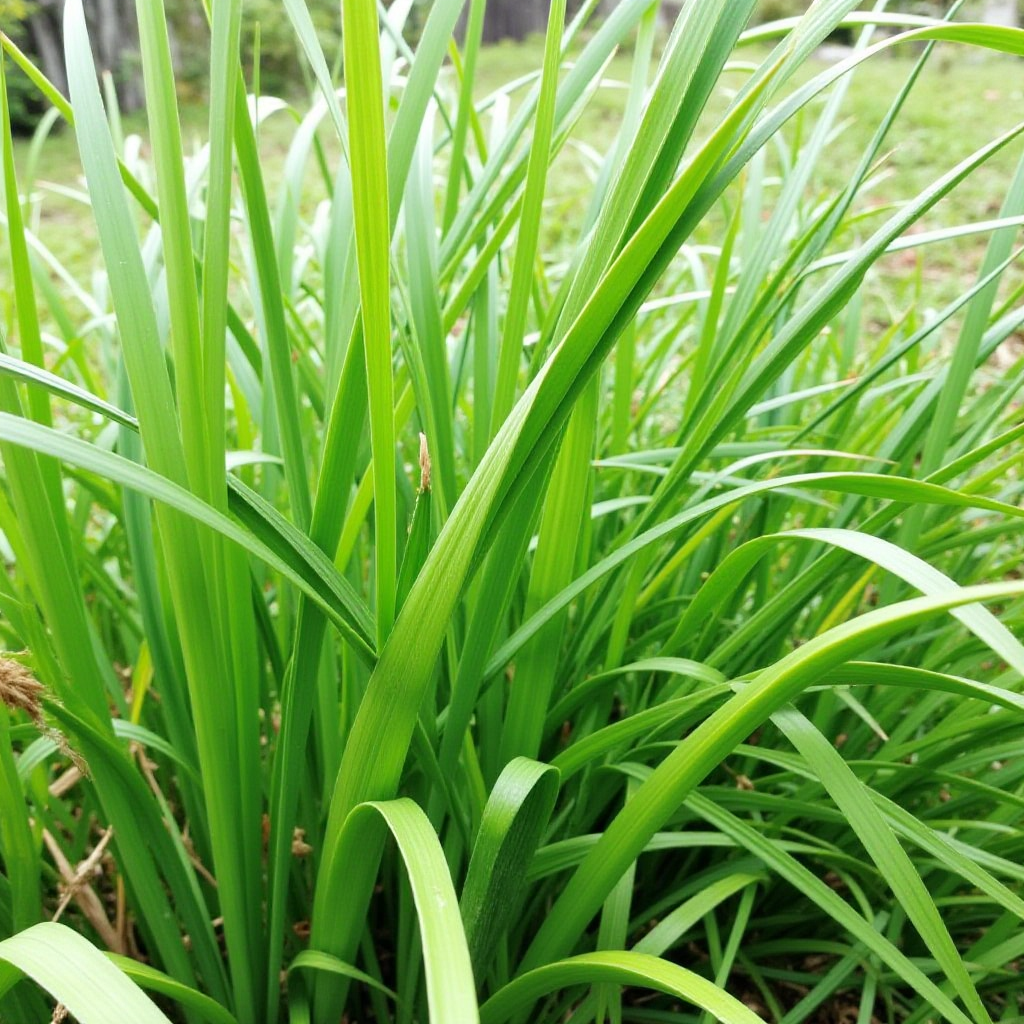
Lemongrass (Cymbopogon citratus) is a tall, perennial grass native to tropical regions of Asia and Africa. The stalks and leaves are harvested fresh or dried and used to make tea, essential oil, and culinary flavourings. The plant’s characteristic lemon scent comes from citral, a compound that also drives many of its therapeutic effects.
The primary active compounds in lemongrass include citral, geraniol, limonene, chlorogenic acid, isoorientin, and swertiajaponin. These compounds work through several mechanisms: antioxidant activity, anti-inflammatory effects, antimicrobial properties, antispasmodic action, mild diuretic effects, and vasorelaxant properties. When prepared as a tea, these compounds are extracted into the water, providing a gentle but effective way to support multiple body systems.
Unlike many medicinal herbs that are bitter or unpleasant, lemongrass has a bright, pleasant, citrusy flavour that appeals to most people.
Key health benefits of lemongrass tea
Digestive support is one of the most traditional uses of lemongrass tea. It has antispasmodic properties that help relax the smooth muscle of the digestive tract, relieving cramping, bloating, and gas. It is also used for upset stomach, stomach cramps, and gastric ulcers.
Blood pressure regulation has been suggested by some research. An observational study found that participants who drank lemongrass tea experienced a drop in systolic blood pressure and a lower heart rate. The vasorelaxant properties of compounds in lemongrass help widen blood vessels, improving circulation and reducing pressure on arterial walls.
Stress and anxiety reduction is another traditional use. While some clinical studies have not shown significant calming effects in humans, animal studies suggest sedative and anxiolytic properties. The ritual of brewing and drinking warm lemongrass tea, combined with its pleasant aroma, may help reduce stress and promote relaxation.
Antioxidant protection helps protect cells from oxidative damage caused by free radicals. Lemongrass contains several potent antioxidants, including chlorogenic acid, isoorientin, and swertiajaponin. These compounds may help prevent cell dysfunction and reduce the risk of chronic diseases associated with ageing and inflammation.
Antimicrobial effects have been demonstrated in laboratory studies. Lemongrass essential oil and extracts have shown activity against bacteria such as Staphylococcus aureus and Streptococcus mutans (the bacteria responsible for tooth decay), as well as fungi including Candida species. While tea is less concentrated than essential oil, regular consumption may offer mild protective benefits for oral health and gut bacteria.
Blood sugar support has been suggested by some research. Studies have shown that lemongrass extract has anti-diabetic activity, potentially helping to lower blood glucose levels. For individuals with prediabetes or type 2 diabetes, lemongrass tea may offer modest supportive benefits alongside conventional treatment.
Weight management may be supported by lemongrass tea through its effects on digestion and metabolism. Some studies have shown that lemongrass extract inhibits the lipase enzyme, which is involved in fat absorption. This effect is modest but may contribute to weight management when combined with a healthy diet and exercise.
Immune support comes from lemongrass’s antimicrobial and antioxidant properties. Regular consumption may help support the body’s natural defences against infections.
How to prepare lemongrass tea
Lemongrass tea can be prepared from fresh or dried stalks.
From fresh lemongrass: Use 2–3 fresh lemongrass stalks per 500ml of water. Remove the outer leaves, wash thoroughly, and cut into 1–2 inch pieces. Gently crush the bottom of the stalks to release the oils. Simmer in water for 5–10 minutes. Strain and serve.
From dried lemongrass: Use 1–2 teaspoons of dried lemongrass per cup of water. Pour freshly boiled water over the herb and steep for 5–10 minutes. Strain and serve.
Flavour: Lemongrass tea has a bright, citrusy, slightly sweet flavour with earthy undertones. It is refreshing and pleasant on its own.
Blending: Lemongrass blends well with ginger, mint, lime, or honey. It also pairs well with other digestive herbs like fennel or chamomile.
Iced lemongrass tea: The brewed tea can be chilled and served over ice for a refreshing cold beverage.
How to use lemongrass tea safely
Lemongrass tea is generally safe for most people when consumed in moderate amounts – one to three cups daily. However, several precautions apply.
Pregnancy and breastfeeding: Compounds in lemongrass (citral and myrcene) have been shown to cause birth defects in animal studies at high doses. It is advisable to avoid medicinal amounts (strong tea consumed regularly) during pregnancy, particularly in the first trimester. Culinary amounts in food are generally considered acceptable. Breastfeeding women should also consult a healthcare provider before regular use.
Kidney function: Excessive intake of lemongrass tea may have negative effects on kidney function. Those with kidney disease should consult a healthcare provider before regular use.
Liver function: High doses of lemongrass essential oil can damage liver and stomach mucous membranes. Stick to tea, not essential oil.
Blood pressure and diabetes medications: Lemongrass may lower blood pressure and blood sugar. If you take medications for hypertension or diabetes, monitor your levels when adding lemongrass tea to your routine.
Diuretics: Lemongrass has mild diuretic effects. Combining with other diuretics may increase the risk of dehydration or electrolyte imbalance.
Allergies: Lemongrass is a grass. Individuals with known allergies to grasses may experience allergic reactions, including skin rash, itching, or swelling.
Essential oil warning: Lemongrass essential oil is highly concentrated and should never be ingested. Even small amounts can be toxic if swallowed. Only use the whole plant (fresh or dried) for tea.
Medication interactions: Lemongrass may interfere with CYP450 liver enzymes, which metabolise many medications. If you take prescription medications, consult your healthcare provider before regular use.
Surgery: As a general precaution, stop taking herbal preparations at least 1–2 weeks before scheduled surgery.
Recommended dosage
For general wellness and digestive support, one to two cups of lemongrass tea daily is sufficient. For more targeted support – such as blood pressure or blood sugar management – two to three cups daily may be consumed. Start with one cup per day to assess your tolerance. Lemongrass is safe for regular use but should be consumed in moderation.
Limitations of lemongrass tea
Lemongrass tea is not a substitute for medical treatment, particularly for hypertension, diabetes, or serious digestive disorders. Its effects are mild and work best as part of a broader approach that includes a balanced diet, regular exercise, and appropriate medical care. Most studies on lemongrass have been laboratory or animal studies; large-scale human studies are limited. Claims that lemongrass “cures” cancer, diabetes, or hypertension are unsupported; it is best understood as a supportive tool for overall health.
FAQ
Is lemongrass tea good for digestion?
Yes. Lemongrass has antispasmodic properties that help relax the digestive tract, relieving cramping, bloating, and gas. It is traditionally used for upset stomach and gastric ulcers.
Does lemongrass tea lower blood pressure?
Some research suggests that lemongrass tea may help lower systolic blood pressure and heart rate. However, more studies are needed. If you take blood pressure medication, monitor your levels when adding lemongrass to your routine.
Is lemongrass tea safe during pregnancy?
It is advisable to avoid medicinal amounts (strong tea consumed regularly) during pregnancy due to potential risks to the foetus. Culinary amounts in food are generally considered acceptable. Consult your healthcare provider.
Does lemongrass tea have caffeine?
No. Lemongrass tea is naturally caffeine-free and can be enjoyed at any time of day.
Can I drink lemongrass tea every day?
Yes, for most healthy adults, one to three cups daily is safe. Start with one cup to assess tolerance. Those with kidney or liver conditions, or taking medications, should consult a healthcare provider first.
Conclusion
Lemongrass tea offers a bright, citrusy, and refreshing way to support digestion, circulation, and overall health. Its pleasant flavour and gentle effects make it a good choice for daily wellness. Used in moderation and with awareness of its precautions, lemongrass tea can be a valuable addition to your routine.
Recommended Products
“If you’d like to try the herbal teas mentioned in this article for yourself, we’ve curated a selection of high-quality, tested sources below. Every product we recommend has been chosen for purity and potency, or visit our online Herbal Tea Shop for even more choice”.
Lemongrass tea (loose leaf): https://amzn.to/4tgvQJv
Lemongrass tea bags: https://amzn.to/3QIS9di
Ginger tea (loose leaf): https://amzn.to/3PmSWQw (for blending)
Manuka Honey: https://amzn.to/47p7i9g
High-quality Garlic press: https://amzn.to/4sFBsxD
Tea infuser: https://amzn.to/4lAToGE
Glass teapot: https://amzn.to/4snGsGY
Storage boxes: https://amzn.to/47UQgQf
Assortment Box: https://amzn.to/3NFO9ZJ
Visit our online Herbal Tea Shop for more choice!
Do you read novels? Visit our bookshop to check out the ‘culturally grounded, Otherworldly narratives’ by Owen Jones.
Looking for a specific herbal tea? Browse the full A–Z list here:
Herbal Teas A-Z List
Get the Free Herbal Tea Shop Cheat Sheet
Further Reading
For a full evidence-based overview of herbal tea benefits, safety, and quality considerations, read our complete guide to Herbal Tea Benefits
1] For more on digestive health, see:
Herbal Teas to Aid Digestion
2] For stress management, see:
Best Herbal Teas for Anxiety and Stress Relief
3] For heart health, see:
Herbal Teas for Cardiovascular Support
4] For safety guidance on herbal teas, see:
Are Herbal Teas Safe?
5] For potential interactions with medications, see:
Herbal Tea and Medication
References
1] National Nutrition Council (Philippines) – Lemongrass and Blood Pressure
2] National Institutes of Health (NIH) – Antiviral, Antibacterial, and Anticancer Activity of Lemongrass
3] Memorial Sloan Kettering Cancer Center – Lemongrass
4] BMC Complementary Medicine and Therapies – Multi-biological activity of Cymbopogon citratus (2024)
5] Cleveland Clinic – Natural Remedies for Digestion