



Six Illuminating Facts About Home and Garden Lighting
Lighting is one of the most practical and expressive elements of design in any home or garden. It affects mood, energy use, security, and even our connection to nature. Here are six fascinating, science-based facts that show how modern lighting has evolved — and how it continues to shape our daily lives.
1. LED’s are the energy champions.
Light-emitting diodes (LED’s) have transformed domestic and commercial lighting. They use up to 85 percent less energy than incandescent bulbs and last for decades. LED’s also run cooler, making them safer for enclosed spaces, and they come in a range of colour temperatures that can mimic daylight or create a cosy evening glow.
2. Daylight improves wellbeing.
Natural light is vital for human health. Research shows that well-lit homes help regulate sleep patterns, boost concentration, and reduce the symptoms of seasonal affective disorder. Designing rooms to maximise daylight – through skylights, reflective surfaces, and well-placed mirrors – can significantly lower energy bills while promoting a better mood.
3. Solar lighting has become reliable.
Early solar lights were dim and inconsistent, but technology has advanced rapidly. Today’s models feature high-capacity lithium batteries and efficient photovoltaic panels that can power garden paths, patios, and driveways for up to ten hours after sunset. This makes solar fixtures both cost-effective and environmentally friendly for garden lighting.
4. Candles reveal lighting’s history.
Before electricity, candles provided essential light – but they were expensive to produce. Wealthier families used beeswax candles, prized for their clean burn and pleasant scent, while poorer households relied on tallow made from animal fat. Though largely decorative now, candles remain popular for creating warmth and atmosphere both inside and out.
5. Outdoor lighting and nature.
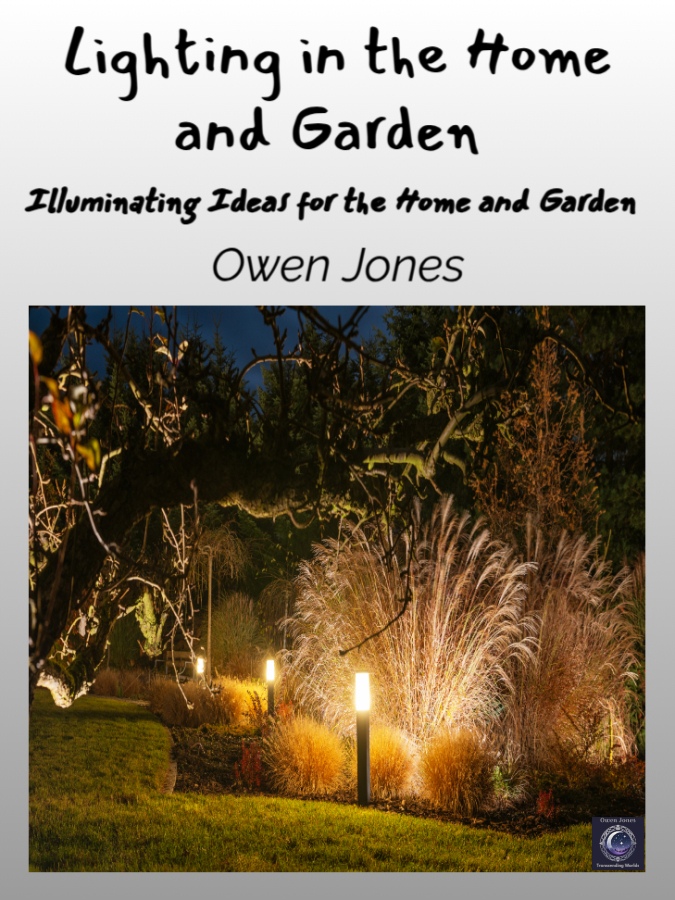
Artificial light doesn’t just affect people. Excessive outdoor lighting can confuse birds, insects, and nocturnal mammals. Shielded fixtures and warm-toned LED’s can reduce “light pollution,” preserving both energy and biodiversity. A well-planned garden lighting scheme enhances beauty while respecting the natural world.
6. Layered lighting brings versatility.
The most effective interiors use a mix of ambient, task, and accent lighting. This layered approach allows flexibility – bright illumination for cooking or working, and softer, focused light for relaxation. By adjusting levels or using dimmers, a single room can shift seamlessly from functional to inviting.
Whether you’re designing a cosy lounge or a secure garden path, lighting is the key to creating atmosphere and efficiency. Small choices – like switching to LED’s, adding solar accents, or balancing brightness – can make a big difference in comfort, sustainability, and even happiness.
Read more: https://meganpublishingservices.com/product/lighting-in-the-home-and-surrounds/
Discover more from Megan Publishing Services
Subscribe to get the latest posts sent to your email.




You must be logged in to post a comment.