


Editing Tips For Indie Writers
Here are my editing tips for Indie writers, because editing is a most important and time-consuming task for writers, especially those who do everything themselves, which is the vast majority of Indie authors, since most authors derive more pleasure than money from their efforts. It requires the editor/writer’s close attention to the document’s every detail, its format, and all of its elements; a thorough knowledge of spelling, grammar, punctuation, terminology, sentence structure, clarity, conciseness, tone and voice, inconsistencies, and typographical errors.
A good editor has a wide knowledge of writing skills and general knowledge or and an attention to factual details, which might mean validating an author’s claims in a story through research.
It is difficult for most writers to edit/proofread their own work and mostly for two reasons. Firstly, they are close to their work, and secondly, they are biased in their own favour. There are also two distinct processes involved in the editing process: mechanical editing and substantive editing.
Mechanical editing involves a close reading, with an eye on consistency of capitalisation, spelling, and hyphenation and other end-of-line word breaks; agreement between verbs and subjects; scores of other matters of syntax; punctuation; beginning and ending quotation marks and parentheses; number of ellipsis points; numbers given either as figures or as words; and hundreds of other, similar details of grammatical, editorial, and typographic style.
In addition to regularising those details of style, the copy editor is expected to catch infelicities of expression that mar an author’s prose and impede communication. Such matters include, but are by no means limited to, dangling participles, misplaced modifiers, mixed metaphors, unclear antecedents, unintentional redundancies, faulty attempts at parallel construction, mistaken junction, overuse of an author’s pet word or phrase, unintentional repetition of words, race or gender or geographic bias, and hyphenating in the predicate, unless, of course, the hyphenated term is an entry in the dictionary and therefore permanently hyphenated in every grammatical case.
The second, non-mechanical, process—called substantive editing—involves rewriting, reorganising, or suggesting more-effective ways to present material. All this while not over-tampering with unusual figures of speech or idiomatic usage that is pertinent to a piece of work. All authors have their own voice, and this needs to be preserved and encouraged.
Two editing tips that will help the Indie author/self-editor are:
1] Leave the work for at least two weeks and do something else. Write short stories, plan your next book, or write articles for your blog. This will distance you from your work and give you a better chance of making a good job of editing it.
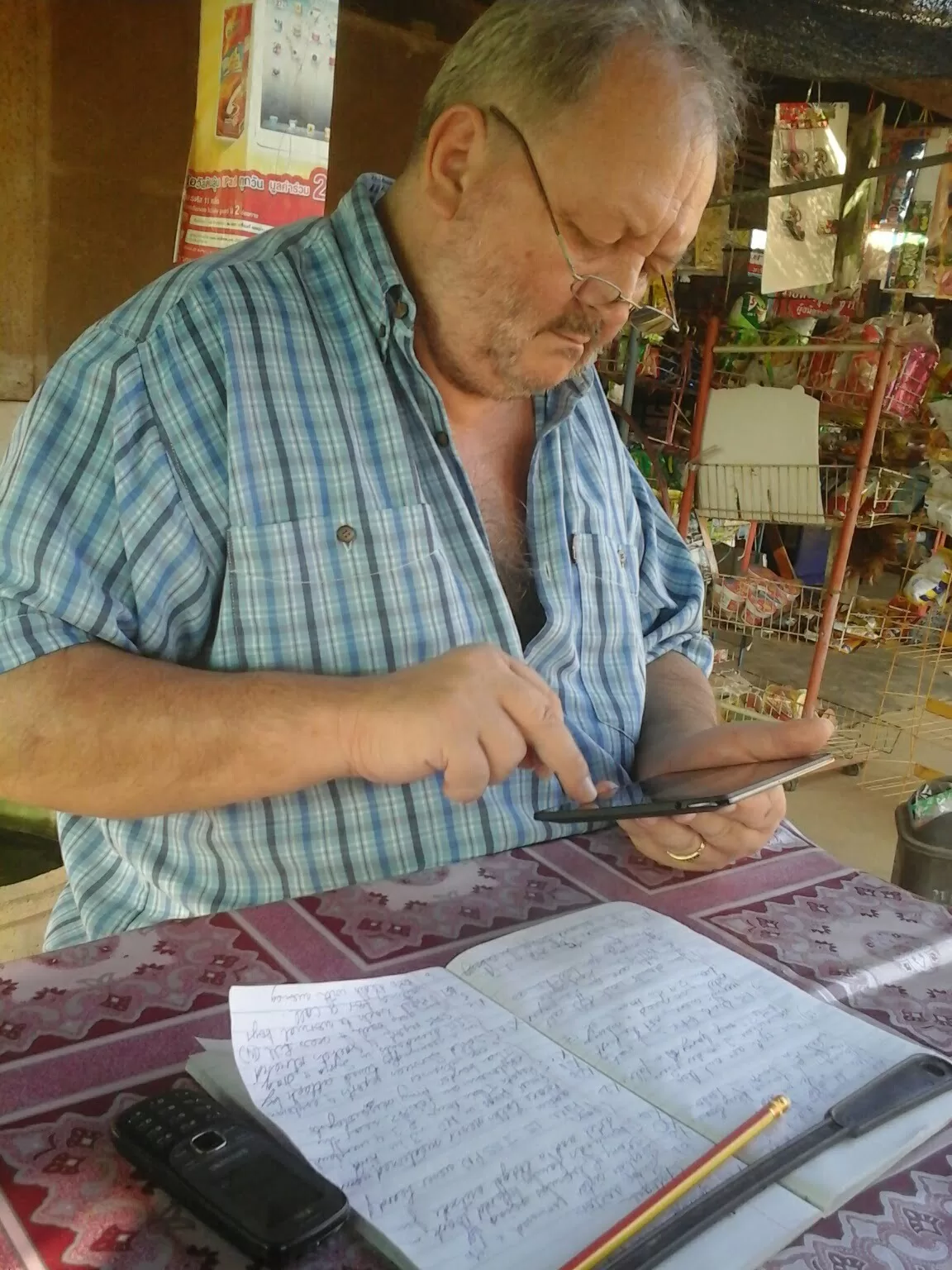
2] Upload your book onto an e-reader
Please LIKE and SHARE this article using the buttons below and visit our bookshop.
All the best,
Owen
Podcast: Editing Tips For Indie Writers
Discover more from Megan Publishing Services
Subscribe to get the latest posts sent to your email.


You must be logged in to post a comment.