


Part of My First Educational Trip to the USSR
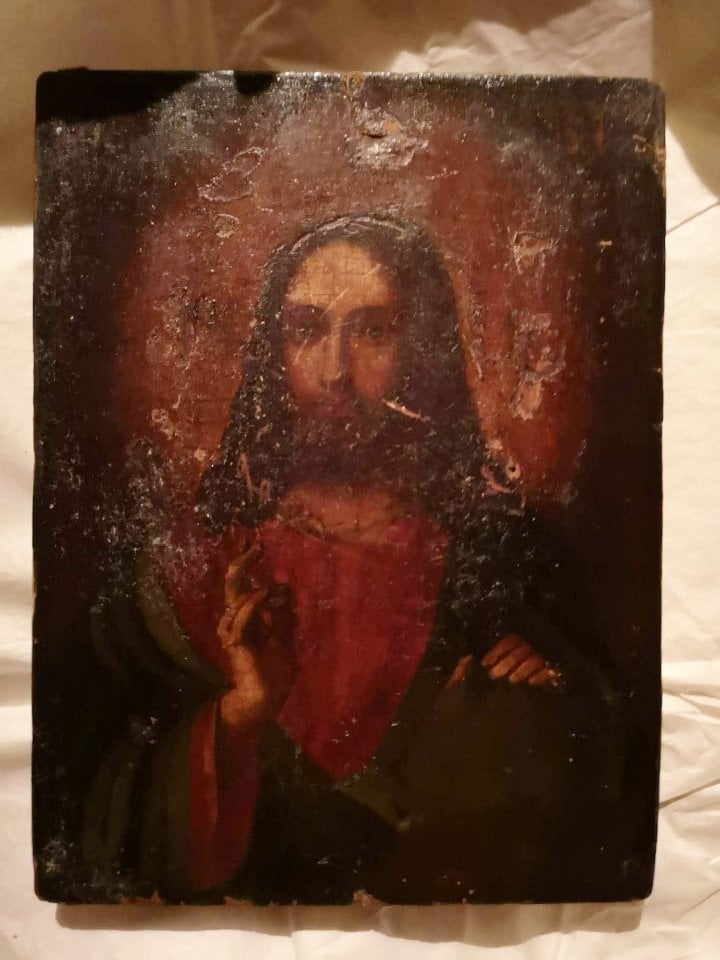
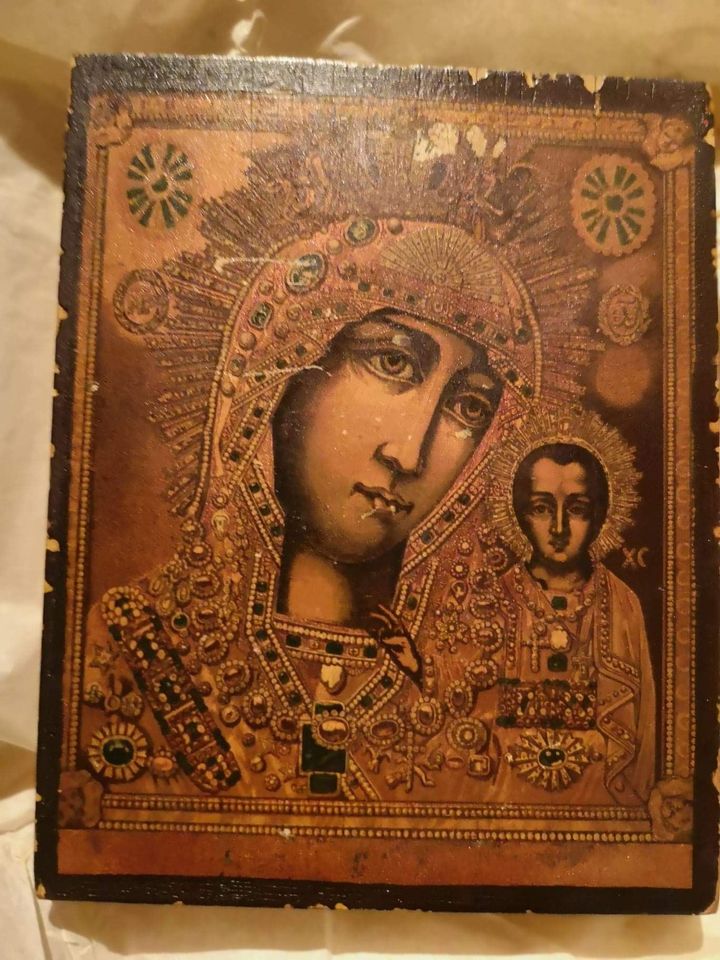
Part of my Honours Degree course of Russian Language and Soviet History at Portsmouth University (it was a polytechnic then) was two summers studying in the USSR. The first was in Leningrad in 1974.
USSR
In those days, foreigners stuck out like sore thumbs because of their clothing, and it was not at all unusual to be accosted by three or four Russian girls a day. They wanted a variety of things. Most wanted to know about the West and to practice their English. Some wanted to buy everything we had in order to resell it on the black market, and some wanted us to fall in love with them, get married and so get out of the country. We also suspected that at least half of them were working with the KGB.
Most of the girls were freer with their favours than even the Western Hippie girls of that era.
Leningrad
So, in that context, one day, I was walking down the Nevsky Prospect, a main road running alongside the river Neva, when a pretty, young woman of about 20, my age too at the time, asked whether she could speak to me. Relishing the prospect, I agreed.
We had a beer in a nearby bar, and she shocked me by asking whether I would like to meet her father. It was the last thing that I had been expecting, but I agreed anyway.
We went to his apartment on the corner of a side street on the Nevsky Prospect, only a few hundred metres from our hotel, the Efropeyskaya.
The old man got out the vodka and his daughter went to make something to eat. We had been warned against allowing ourselves to become isolated, but there I was – alone.
Family Treasure
He asked me about my family and my religious beliefs, which NOBODY did in the USSR in those days. Seemingly satisfied, he pulled a curtain aside, tugged at a plywood panel and revealed a shrine. It contained at least a dozen icons and several other items too, like crosses, coins and figurines.
He chose two icons, two coins and a cross, and then passed them over to me.
‘Beautiful!’, I remarked, and went to hand them back.
He frowned and handed them back to me. I had obviously missed something, so we waited for his daughter to return to clarify in English, as we had been speaking in Russian up to that point.
Between them, they managed to make me understand that the old man had been a lieutenant in the Red Army as it pushed the Nazis out of Russia, through the Ukraine and back into Germany.
Religious Relics
He explained that he and his platoon were ordered to set fire to every church they came across, along with its contents.
After the war, as they returned home, the same tactic was employed.
He had to do this, but his parents had been religious, and he could not see the sense in the wanton destruction of historical items, so he saved what he could.
I assumed that the contents of the shrine was what he had saved those nearly forty years ago.
The girl told me that if the authorities discovered the hoard, then it would be destroyed and the whole family severely punished.
I didn’t think to ask why this was becoming an issue so many years after the event, but I was already worrying about how I would get these artefacts out of the country, since that was a serious criminal offence too.
Ukrainian Icons
Anyway, I took the items back to my hotel, and the day we flew out, I put the Ukrainian icons in my underpants, the coins in a pocketful of change and hid the cross behind the buckle on my belt.
I was very worried, but I had a few drinks and when the alarm rang as I walked through the security hoop, I pulled a handful of coins from my pocket and revealed my belt buckle.
The guard waved me through without discovering my Ukrainian Icons, and I couldn’t find a bar quickly enough.
I still have all the items mentioned above, and, regrettably, never saw that family again.
The full context of this event is described in my book “Andropov’s Cuckoo – A Story of Love, Intrigue, and The KGB“, although that is about an entirely different, true event that happened on the same trip.
Regards,
Owen.
Andropov’s Cuckoo is available from this website, from all larger on- and off-line bookshops, and from Amazon here: Andropov’s Cuckoo in English on Amazon Currently available in: Arabic, Burmese, Chinese, Dutch, English, German, Japanese, Portuguese, Sinhala and Spanish.
Testimonial from the Sinhala translator about Andropov’s Cuckoo
Discover more from Megan Publishing Services
Subscribe to get the latest posts sent to your email.


You must be logged in to post a comment.