

Does Hibiscus Tea Lower Blood Pressure?
What Research Says about Hibiscus Tea and Blood Pressure
High blood pressure is one of the most common health concerns worldwide. Because of this, many people search for natural ways to support cardiovascular health. One question that frequently arises is: does hibiscus tea lower blood pressure?
Hibiscus tea, made from the dried calyces of the hibiscus flower, has attracted attention from researchers because it contains plant compounds that may influence heart health. These compounds include antioxidants such as anthocyanins and polyphenols, which are known to support healthy blood vessels.
Several scientific studies suggest that regular consumption of hibiscus tea may help reduce blood pressure in people with mild hypertension. However, the effects are generally moderate and should be viewed as supportive rather than a replacement for medical treatment.
What Is Hibiscus Tea?
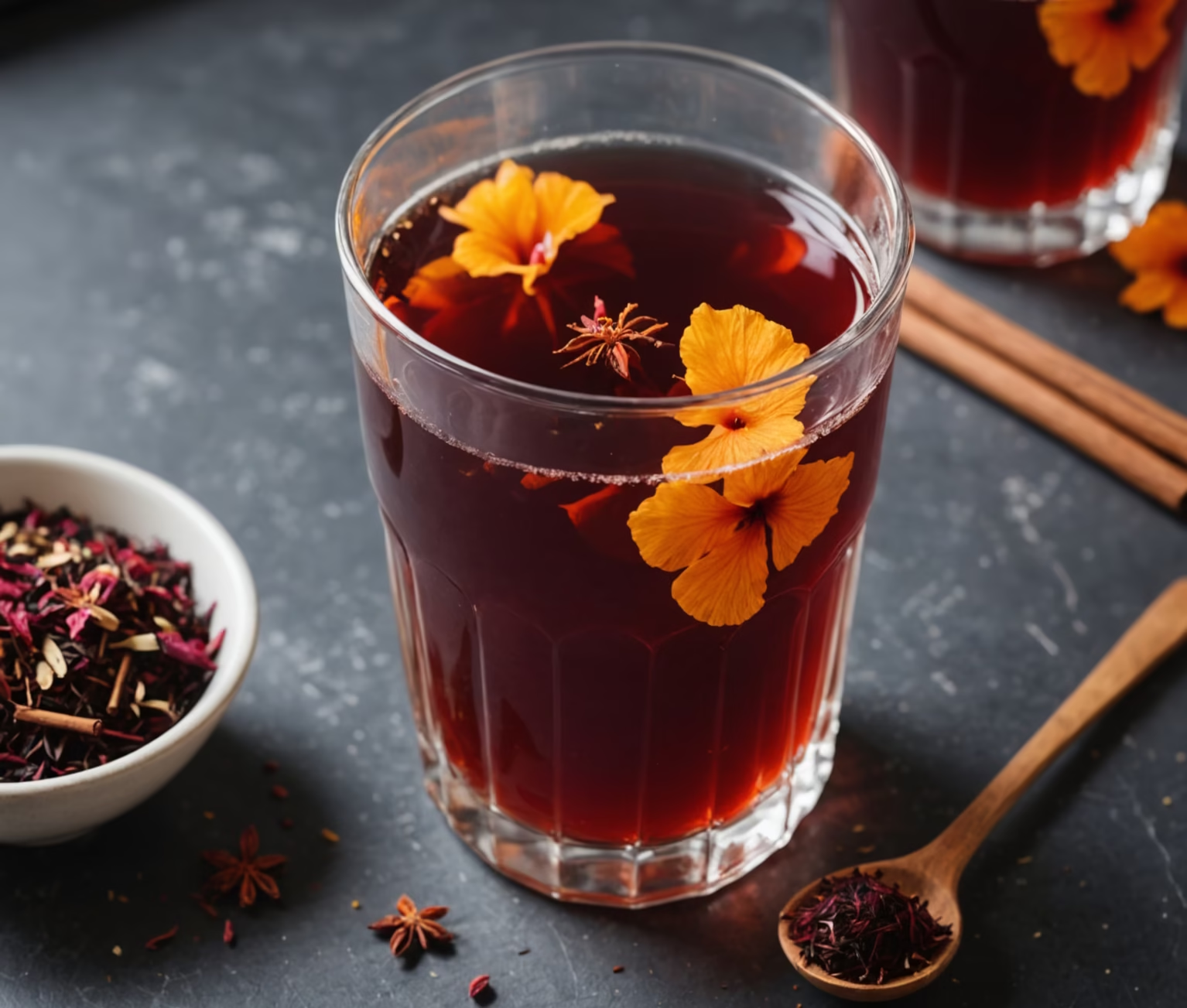
Hibiscus tea is an herbal infusion prepared from the bright red petals of the Hibiscus sabdariffa plant. It has a distinctive tart flavour similar to cranberries and is enjoyed both hot and cold in many parts of the world.
The tea is naturally caffeine-free and rich in antioxidants. In traditional medicine, hibiscus has been used for a variety of purposes, including digestive support and cardiovascular health.
Because of its refreshing taste and vibrant colour, hibiscus tea is also a popular alternative to sugary drinks. Nevertheless, the question that concerns us now is: Does hibiscus tea lower blood pressure?
How Hibiscus May Influence Blood Pressure
Research suggests several possible mechanisms through which hibiscus tea may influence blood pressure.
First, the antioxidants in hibiscus may help protect the inner lining of blood vessels. Healthy blood vessels can relax more easily, allowing blood to flow more efficiently and reducing pressure on the arterial walls.
Second, some studies indicate that hibiscus compounds may have a mild diuretic effect. By helping the body remove excess fluid, this effect can contribute to small reductions in blood pressure.
Finally, hibiscus may help regulate certain enzymes involved in blood vessel constriction. By influencing these biological pathways, hibiscus tea may support healthier circulation.
What Scientific Studies Show
A number of clinical studies have examined hibiscus tea and attempted to answer the question: does hibiscus tea lower blood pressure?.
Some research has found that people with mildly elevated blood pressure who drink hibiscus tea daily may experience modest reductions in both systolic and diastolic blood pressure. In certain studies, the reductions were comparable to those seen with lifestyle changes such as improved diet.
However, results vary between studies, and hibiscus tea should not be considered a substitute for prescribed medication. Researchers generally agree that while hibiscus tea may offer supportive benefits, it works best as part of a broader heart-healthy lifestyle.
Medical News Today – Hibiscus tea and blood pressure research
How to Prepare Hibiscus Tea
Hibiscus tea is easy to prepare using dried hibiscus flowers.
Typically, one to two teaspoons of dried hibiscus are steeped in hot water for five to ten minutes. The longer the steeping time, the stronger and more tart the flavour becomes.
Some people add honey or a slice of lemon to balance the natural acidity. Hibiscus tea can also be chilled and served as a refreshing cold drink.
How Much Hibiscus Tea Is Usually Consumed in Studies
In research studies examining does hibiscus tea lower blood pressure, participants often drink two to three cups of hibiscus tea per day.
These quantities are generally considered moderate and safe for most healthy adults. However, individuals should remember that the effects of herbal teas can vary depending on the person and the preparation method.
Consistency over time appears to be more important than occasional consumption.
Herbal teas to lower inflammation
Safety and Considerations
Hibiscus tea is widely consumed and generally considered safe when enjoyed in moderate amounts. However, there are some situations where caution is advisable.
Hibiscus may interact with certain medications, including some used to treat high blood pressure like Warfarin. Because of this, people taking prescription medication should consult a healthcare professional before consuming large amounts of hibiscus tea regularly.
Pregnant women are sometimes advised to limit hibiscus intake, as research on its effects during pregnancy remains limited.
Harvard Health – Natural ways to manage blood pressure
FAQ
Does hibiscus tea lower blood pressure naturally?
Some studies suggest that hibiscus tea may help lower blood pressure modestly, particularly in people with mild hypertension.
How much hibiscus tea should you drink?
Many studies use two to three cups per day, but individual responses may vary.
Is hibiscus tea safe for people with high blood pressure?
Hibiscus tea is generally safe in moderate amounts, but people taking blood-pressure medication should consult a healthcare professional first.
Can hibiscus tea replace blood pressure medication?
No. Herbal teas may support healthy habits, but they should not replace medical treatment prescribed by a doctor.
Conclusion
So, does hibiscus tea lower blood pressure? Research suggests that it may help support healthy blood pressure levels, particularly when consumed regularly as part of a balanced lifestyle.
The antioxidants and plant compounds in hibiscus may contribute to improved blood vessel function and circulation. However, the effects are typically moderate and should be viewed as complementary to medical care rather than a replacement.
For many people, hibiscus tea offers a refreshing, caffeine-free drink that may support overall cardiovascular health while adding variety to a daily routine.
How Herbal Teas Affect the Body.
Further Reading
For a full evidence-based overview of herbal tea benefits, safety, and quality considerations, read our complete guide to Herbal Tea Benefits.
Visit our bookshop to check out the ‘culturally grounded, Otherworldly narratives’ by Owen Jones.
Recommended Products
High-quality Hibiscus (Loose Leaf): https://amzn.to/4bzVBOd
Hibiscus (Tea Bags): https://amzn.to/40IUXZB
Tea Infuser: https://amzn.to/4lAToGE
Glass Teapot: https://amzn.to/4snGsGY
Storage Boxes: https://amzn.to/47UQgQf