
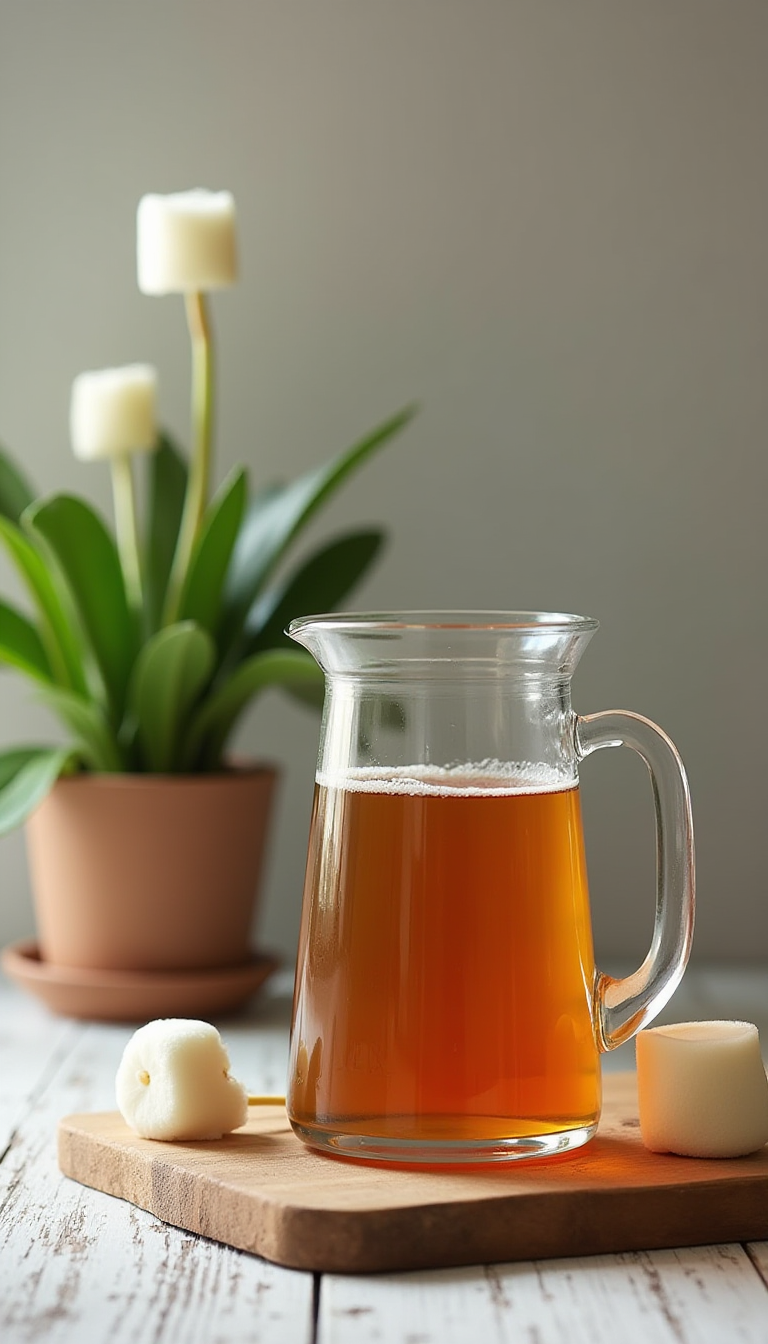

The gentle demulcent that soothes mucous membranes
Marshmallow root tea, made from the root of the Althaea officinalis plant, is one of the most effective demulcent herbs available. Unlike many herbal teas that work through stimulation or biochemical pathways, marshmallow works by coating and soothing irritated tissues with its high mucilage content. This gel-like substance forms a protective film over mucous membranes, providing relief from dryness, irritation, and inflammation throughout the body. Marshmallow has been used for centuries in traditional medicine systems – from ancient Egypt and Greece to modern herbal practice – for respiratory complaints, digestive issues, and urinary tract discomfort. Its gentle, non-irritating nature makes it suitable for sensitive individuals, including children and the elderly, when used appropriately.
To buy marshmallow root tea, click the link at the foot of this page.
Looking for a specific herbal tea? Browse the full A–Z list here:
Herbal Teas A-Z List
Get the Free Herbal Tea Shop Cheat Sheet
What marshmallow root tea is and how it works
Marshmallow (Althaea officinalis) is a perennial flowering plant native to Europe, Western Asia, and North Africa. The root, which is harvested from plants at least two years old, contains up to 35% mucilage – a complex polysaccharide that absorbs water to form a thick, slippery gel. When prepared as a tea, the mucilage is extracted into the water and, when consumed, coats the lining of the mouth, throat, oesophagus, stomach, and intestines. The mechanisms through which marshmallow root exerts its effects include demulcent action (forming a protective film over irritated tissues), anti-inflammatory effects (reducing localised inflammation), expectorant properties (helping loosen mucus in the respiratory tract), and mild antimicrobial activity (inhibiting certain bacteria). Unlike stimulant herbs, marshmallow works physically rather than chemically.
Key health benefits of tea from the roots of marshmallow
Sore throat relief is one of the most common and effective uses of marshmallow root tea. The mucilage coats the throat lining, reducing pain from friction and irritation. It is particularly helpful for dry, scratchy throats or when swallowing is painful.
Dry cough suppression benefits from marshmallow’s demulcent properties. By coating the throat and upper respiratory tract, it helps reduce the tickling sensation that triggers coughing. It is especially useful for dry, non-productive coughs.
Digestive tract soothing extends throughout the gastrointestinal system. Marshmallow can help calm irritation from gastritis, acid reflux, and inflammatory bowel conditions. It is often used between meals to allow the mucilage to contact the stomach lining directly.
Urinary tract comfort is another traditional use. The soothing properties of marshmallow can help ease discomfort associated with mild urinary tract irritation, though it should not replace antibiotics for confirmed UTIs.
Skin health can be supported internally. By reducing internal inflammation and providing soothing compounds, marshmallow tea may help calm inflammatory skin conditions from within.
Respiratory support beyond coughs includes soothing bronchial irritation. Marshmallow root is often combined with other herbs for bronchitis or dry respiratory conditions.
Gut barrier support is an emerging area of interest. The mucilage may help support the integrity of the intestinal lining, potentially benefiting conditions associated with increased intestinal permeability.
To buy marshmallow root tea, click the link at the foot of this page.
How to prepare marshmallow root tea
Marshmallow requires special preparation to extract the mucilage effectively without damaging it. Cold infusion method (preferred): Place one to two tablespoons of the dried root in a jar with two cups of cold water. Cover and let steep at room temperature for 4–8 hours (or overnight). Strain and drink. Cold water extracts mucilage without pulling out bitter compounds or tannins. Hot preparation (alternative): Use one to two teaspoons of dried marshmallow per cup of water. Steep in freshly boiled water for 10–15 minutes. Strain before drinking. Note that hot water may extract more bitter compounds. Blending: Marshmallow root has a mild, earthy, slightly sweet flavour. It blends well with more aromatic herbs like peppermint, chamomile, or ginger. Consistency: The tea will have a slightly thick, slippery texture—this is normal and indicates good mucilage extraction.
How to use marshmallow tea safely
Marshmallow root is generally safe for most people when consumed in moderate amounts – one to three cups daily. However, several considerations apply:
Medication absorption: The mucilage in marshmallow can coat the digestive tract and potentially slow the absorption of other medications or supplements. It is generally recommended to take marshmallow root at least one hour apart from other medications.
Blood sugar: Marshmallow may lower blood sugar in some individuals. Those with diabetes should monitor their levels when adding it to their routine.
Pregnancy and breastfeeding: Marshmallow root is generally considered safe in food amounts, but medicinal doses (strong tea regularly) should be discussed with a healthcare provider. There is limited safety data.
Allergies: Marshmallow is in the Malvaceae family, which includes hibiscus and hollyhock. Those with known allergies to these plants should use caution.
Children: Marshmallow root tea is generally considered safe for children in appropriate doses, but consult a healthcare provider for guidance.
Recommended dosage
For acute symptoms such as sore throat or dry cough, two to three cups daily can be consumed until symptoms improve. For chronic digestive or respiratory support, one to two cups daily is typically sufficient. The cold infusion method produces a more mucilage-rich tea and is preferred for therapeutic use. Effects are noticeable shortly after consumption due to the physical coating action.
Limitations of marshmallow root tea
Marshmallow tea is not a substitute for medical treatment, particularly for bacterial infections such as strep throat, urinary tract infections, or pneumonia. It provides symptom relief but does not address underlying infections. Its effects are physical rather than biochemical, so it works best for dry, irritated conditions rather than conditions involving excessive mucus or congestion. Claims that marshmallow root “cures” digestive disorders or respiratory diseases are unsupported; it is best understood as a soothing supportive tool.
FAQ
What is marshmallow root tea good for?
Marshmallow root tea is primarily used to soothe sore throats, dry coughs, and irritated digestive or urinary tracts. Its mucilage content coats and protects inflamed mucous membranes.
Does marshmallow tea taste like marshmallows?
No. Modern marshmallows are made from sugar, gelatin, and corn syrup, not marshmallow root. The root has a mild, earthy, slightly sweet flavour with a slippery texture.
How long should I steep marshmallow roots for tea?
For maximum mucilage extraction, use the cold infusion method: steep in cold water for 4–8 hours. For hot tea, steep for 10–15 minutes.
Can I drink marshmallow tea every day?
Yes, marshmallow root tea is generally safe for daily use in moderate amounts. However, if you take other medications, separate them by at least one hour.
Is marshmallow root tea safe during pregnancy?
Marshmallow is generally considered safe in food amounts, but medicinal doses should be discussed with a healthcare provider due to limited safety data.
Conclusion
Marshmallow root tea offers a unique, gentle approach to soothing irritated mucous membranes throughout the body. Its high mucilage content provides physical relief for sore throats, dry coughs, digestive irritation, and urinary tract discomfort. Unlike stimulant or biochemical herbs, marshmallow works by coating and protecting tissues, making it suitable for sensitive individuals. Used appropriately – and especially prepared as a cold infusion to maximise mucilage extraction – marshmallow tea can be a valuable, soothing addition to your herbal medicine cabinet.
Further Reading
For a full evidence-based overview of herbal tea benefits, safety, and quality considerations, read our complete guide to Herbal Tea Benefits
1] To understand how marshmallow compares with other demulcent herbs, see Slippery Elm Tea for Digestion
2] For information on sore throat relief, see Can Herbal Tea Help with a Sore Throat?
3] For digestive support, see Herbal Teas to Aid Digestion
Visit our bookshop to check out the ‘culturally grounded, Otherworldly narratives’ by Owen Jones.
Recommended Products
If you’d like to try marshmallow root yourself, using a good-quality source that delivers worldwide makes a real difference.
Marshmallow Root tea (loose leaf): https://amzn.to/4byt2SA
Marshmallow Root tea bags: https://amzn.to/4demxpf
Manuka Honey: https://amzn.to/47p7i9g
High-quality Garlic press: https://amzn.to/4sFBsxD
Tea infuser: https://amzn.to/4lAToGE
Glass teapot: https://amzn.to/4snGsGY
Storage boxes: https://amzn.to/47UQgQf
Assortment Box: https://amzn.to/3NFO9ZJ
References
1] National Center for Complementary and Integrative Health (NCCIH) – Herbal Medicine: https://www.nccih.nih.gov/health/herbalmedicine
Provides evidence-based safety information on herbal products.
2] European Medicines Agency – Marshmallow Root: https://www.ema.europa.eu/en/medicines/herbal/althaeae-radix
Offers regulatory and safety assessments for marshmallow root preparations.
3] National Health Service (NHS) – Sore Throat: https://www.nhs.uk/conditions/sore-throat/
Provides medical guidance on causes and self-care for throat irritation.
4] Mount Sinai – Marshmallow Root: https://www.mountsinai.org/health-library/herb/marshmallow
Offers traditional and clinical information on marshmallow root uses.
Looking for a specific herbal tea? Browse the full A–Z list here:
Herbal Teas A-Z List
Get the Free Herbal Tea Shop Cheat Sheet