


For a complete, evidence-based guide to the best herbal teas for digestion, including specific herbs and use cases.
A Practical Approach to Calming Digestive Discomfort
Drinking herbal tea for acid reflux is often used as a simple, natural way to manage the discomfort of heartburn and indigestion. Acid reflux occurs when stomach acid flows back into the oesophagus, leading to a burning sensation, bloating, and irritation that can disrupt daily life.
While medication is sometimes necessary, many people look for dietary adjustments that can ease symptoms more gently. Among these, herbal teas have gained attention for their potential to support digestion and reduce the triggers that contribute to reflux, and many would say drinking herbal tea for acid reflux is one of the most effective remedies.
How It Works
The effectiveness of drinking herbal tea for acid reflux largely depends on how certain herbs interact with the digestive system. In the case of ginger, the primary focus of this approach, the key benefit lies in its ability to support gastric motility. By helping the stomach empty more efficiently, ginger may reduce the likelihood of acid moving back up into the oesophagus.
Some herbal teas also contain compounds that soothe irritation in the digestive tract. Others help reduce winf (gas) and bloating, which can increase pressure on the stomach and worsen reflux symptoms.
Warm, caffeine-free liquids further support this process by avoiding common triggers such as coffee and strong black tea, both of which are known to aggravate reflux in many individuals.
Best Herbal Teas
Fennel tea is often used to relieve bloating and digestive pressure. By helping to reduce gas in the stomach, it may indirectly lower the risk of acid being pushed upwards.
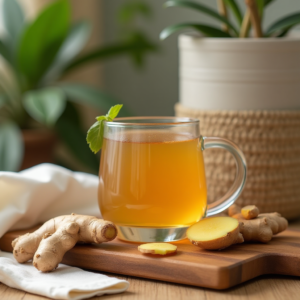
Ginger tea stands out as the most relevant herbal tea for acid reflux. It has been studied for its role in promoting faster stomach emptying and improving overall digestive function. This makes it particularly useful for those whose symptoms are linked to sluggish digestion or post-meal discomfort.
Liquorice root tea, especially in its deglycyrrhizinated form, is valued for its ability to soothe the lining of the stomach and oesophagus. It may help reduce irritation caused by acid exposure, offering a protective effect.
Marshmallow root tea contains mucilage, a substance that forms a coating over irritated tissues. This can provide temporary relief from the burning sensation associated with reflux.
Peppermint tea is widely known for digestive relief, but its role here is more complex. It can relax the lower oesophageal sphincter, which may worsen acid reflux in some people. As a result, it should be approached cautiously as a herbal tea for acid reflux.
How to Use Safely
Drinking herbal tea for acid reflux is best in moderate amounts, typically one to two cups per day. Drinking ginger tea after meals may be particularly effective, as this is when reflux symptoms are most likely to occur.
It is important to observe how your body reacts. While ginger is generally well tolerated, stronger preparations may cause mild irritation in some individuals. Starting with a weaker infusion and adjusting strength over time is a sensible approach.
Those taking medication or managing ongoing digestive conditions should seek professional advice before using herbal remedies regularly, especially when introducing liquorice root products.
Limitations
Herbal teas can support symptom relief, but they do not address all causes of acid reflux. Factors such as diet, weight, meal timing, and underlying medical conditions often play a significant rôle.
The response to herbal tea for acid reflux varies between individuals. Ginger may be highly effective for one person yet offer limited benefit to another. Evidence supporting herbal remedies is also mixed, with stronger data available for some herbs than others.
For persistent or severe symptoms, medical evaluation remains essential. Herbal tea should be viewed as a supportive measure rather than a primary treatment.
FAQ
Is ginger tea the best herbal tea for acid reflux?
Ginger tea is one of the most relevant options because it supports digestion and may reduce the likelihood of acid backing up into the oesophagus.
When should I drink herbal tea for acid reflux?
Drinking herbal tea after meals is often most effective, as this is when symptoms are commonly triggered.
Can herbal tea replace medication for acid reflux?
Herbal tea may help manage mild symptoms, but it should not replace prescribed treatment without medical advice.
Why does peppermint tea sometimes make reflux worse?
Peppermint can relax the muscle that keeps stomach acid in place, which may allow acid to move upwards more easily.
Conclusion
Herbal tea for acid replux offers a practical way to support digestive comfort, particularly when centred around ginger. By improving how the stomach processes food and reducing pressure within the digestive system, it can help limit one of the key triggers of reflux. While not a cure, it is a useful addition to a broader strategy that includes mindful eating and lifestyle adjustments.
Further Reading
For a full evidence-based overview of herbal tea benefits, safety, and quality considerations, read our complete guide to Herbal Tea Benefits.
1] Herbal Tea for Acid Reflux
A focused guide exploring how different herbs may help manage reflux symptoms.
2] Herbal Teas to Aid Digestion
Covers how herbal infusions support digestion more broadly.
3] Best Herbal Tea for Bloating
Explains how reducing bloating can help relieve pressure linked to reflux.
Visit our bookshop to check out the ‘culturally grounded, Otherworldly narratives’ by Owen Jones.
Recommended Products
High-quality Ginger tea (loose leaf): https://amzn.to/3PmSWQw
Ginger tea bags: https://amzn.to/4szy0Ve
Tea infuser: https://amzn.to/4lAToGE
Glass teapot: https://amzn.to/4snGsGY
Storage boxes: https://amzn.to/47UQgQf
Assortment Box: https://amzn.to/3NFO9ZJ
References
1] NHS – Heartburn and Acid Reflux
https://www.nhs.uk/conditions/heartburn-and-acid-reflux/
Provides clinical guidance on symptoms, causes, and treatment options.
2] Cleveland Clinic – Natural Remedies for Acid Reflux
https://health.clevelandclinic.org/natural-remedies-for-acid-reflux/
Discusses dietary and natural approaches to managing reflux.
3] National Center for Complementary and Integrative Health – Herbs at a Glance
https://www.nccih.nih.gov/health/herbsataglance
Summarises current evidence on commonly used herbal remedies.