
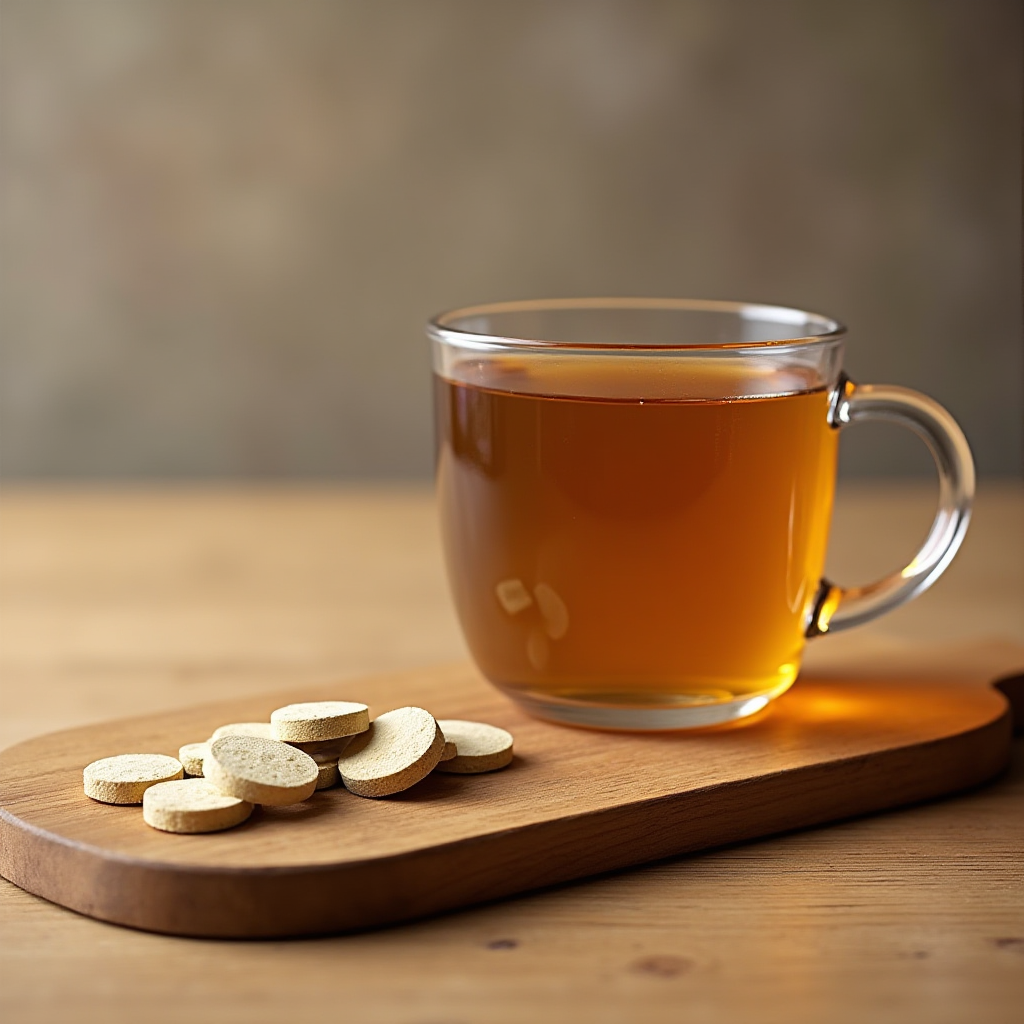

Herbal Tea and Medical Treatment
Interest in herbal medicine has grown significantly in recent years. Many people now drink herbal teas not only for enjoyment but also for perceived health benefits. This has led to an important question: can herbal tea replace medication?
In the context of cardiovascular health, the answer requires careful consideration. Some herbal teas may support the heart and circulation, but replacing prescribed treatment with herbal remedies carries serious risks.
Click the link for more details, specific and general, on the safety of herbal tea.
Why People Consider Herbal Alternatives
There are several reasons why people ask themselves: Can herbal tea replace medication?
• concerns about side effects
• a preference for “natural” remedies
• cultural traditions of herbal medicine
• the desire to manage health through diet and lifestyle
While these motivations are understandable, the effectiveness of herbal remedies must still be evaluated scientifically.
Herbal Teas with Cardiovascular Associations
A number of herbal teas are often linked with heart health. So, can herbal tea replace medication?
Common examples include:
Hibiscus tea – sometimes associated with modest reductions in blood pressure.
Hawthorn berry tea – traditionally used to support heart function.
Garlic tea – linked with circulation and cholesterol balance.
These herbs have been studied to varying degrees, and some research suggests mild beneficial effects. However, these effects are typically smaller and less predictable than pharmaceutical treatments.
Why Herbal Tea Cannot Replace Medication
Cardiovascular medications are prescribed because they have been extensively tested for safety and effectiveness. They provide consistent, measurable results that herbal remedies cannot reliably match.
Key differences include:
• precise dosing
• predictable clinical outcomes
• rigorous safety testing
• monitoring by healthcare professionals
Herbal teas, by contrast, vary widely in strength and composition. Two cups prepared on different days may contain very different concentrations of active compounds. This is a major reason why the question: Can herbal tea replace medication? must always be answered in the negative.
Potential Risks of Replacing Medication
Stopping prescribed medication in favour of herbal teas can lead to serious consequences, including:
• uncontrolled blood pressure
• worsening cholesterol levels
• increased risk of stroke or heart attack
Even when herbal remedies offer mild benefits, they rarely produce effects strong enough to replace medical treatment.
A More Balanced Approach
Herbal teas may still have a valuable rôle when used appropriately. Many healthcare professionals recognise that lifestyle choices and dietary habits contribute to overall cardiovascular health.
Can herbal tea replace medication?
A sensible approach may include:
• maintaining prescribed treatment
• drinking herbal teas as a complementary habit
• monitoring blood pressure and cholesterol
• discussing herbal use with a healthcare professional
This approach allows people to benefit from herbal traditions without abandoning evidence-based care.
FAQ
Can herbal tea replace heart medication?
No. Herbal teas may support general health but cannot reliably replace prescribed cardiovascular medication.
Are herbal teas useful alongside medication?
Yes, many people safely consume herbal teas while following medical treatment, although certain herbs may interact with medications.
Which teas are most associated with heart health?
Hibiscus, hawthorn, and garlic are among the herbs most commonly studied for cardiovascular support.
Can herbal tea replace medication?
No. Dosage is too unpredictable, but it can and does help or support medication.
Conclusion
The question “Can herbal tea replace medication?” is especially important when dealing with heart health. Although certain herbal teas may offer supportive benefits, they cannot provide the consistent, clinically proven results of modern medication.
The most responsible approach is to treat herbal teas as complements rather than replacements. When combined with professional medical care, a healthy diet, and lifestyle improvements, herbal teas can form part of a broader strategy for maintaining cardiovascular wellbeing.
Further Reading: Harvard Health Publishing – Herbal Supplements and Heart Health
Further Reading: National Center for Complementary and Integrative Health – Safety of Herbal Supplements
Recommended Products
Chamomile tea (loose leaf): https://amzn.to/3Pv6zgo
Chamomile tea bags: https://amzn.to/4bCq3XM
Hibiscus tea (loose leaf): https://amzn.to/4bzVBOd
Hibiscus tea bags: https://amzn.to/40IUXZB
High-quality Peppermint tea (loose leaf): https://amzn.to/4lIQSyi
Peppermint tea bags: https://amzn.to/3NMIelO
Rooibos tea (loose leaf): https://amzn.to/4sAltAK
Rooibos tea bags: https://amzn.to/4bJInyd
Spearmint (loose leaf): https://amzn.to/4bTpAAQ
Spearmint tea bags: https://amzn.to/41vhLMG
Tea infuser: https://amzn.to/4lAToGE
Glass teapot: https://amzn.to/4snGsGY
Storage boxes: https://amzn.to/47UQgQf
Assortment Box: https://amzn.to/3NFO9ZJ
Further Reading
For a full evidence-based overview of herbal tea benefits, safety, and quality considerations, read our complete guide to Herbal Tea Benefits.
1] Hibiscus and Cholesterol
https://meganpublishingservices.com/herbal-tea-benefits/hibiscus-and-cholesterol/
2] Herbal Teas for Cardiovascular Support
https://meganpublishingservices.com/herbal-tea-benefits/herbal-teas-for-cardiovascular-support/
3] Garlic Tea
https://meganpublishingservices.com/herbal-tea-benefits/garlic-tea/
4] Herbal Tea for Diabetes
https://meganpublishingservices.com/herbal-tea-benefits/herbal-tea-for-diabetes/