


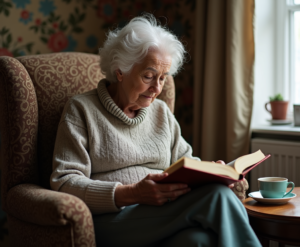
Understanding when herbal teas are safe and when to be cautious
Herbal teas are widely regarded as safe, natural drinks that can support relaxation, digestion, and general wellbeing. Unlike traditional teas, most herbal infusions are naturally caffeine-free and gentle on the body. However, “natural” does not always mean risk-free. The safety of herbal tea depends on the type of herb, how much you drink, and your individual health circumstances. So, are herbal teas safe? For most people, moderate consumption is perfectly safe. But there are some situations where extra care is needed. Read on to find out more on the topic of: Are herbal teas safe?
Safety Support Topics
01] General safety
02] Medication interactions
03] Pregnancy & sensitive groups
04] Side effects
05] Safe usage & limits
06] Home – Herbal Tea Safety
07] Home – Herbal Tea Benefits
08] Herbal Tea Articles
09] Herbal Teas Index
10] Herbal Tea Shop
If you would like to try the herbal teas mentioned in this article for yourself, we have curated a selection of high-quality, tested sources below. Every product we recommend has been chosen for purity and potency, or visit our online Herbal Tea Shop for even more choice.
Looking for a specific herbal tea? Browse the full A–Z list here:
Herbal Teas A-Z List
Get the Free Herbal Tea Shop Cheat Sheet
When Are Herbal Teas Safe?
For healthy adults, drinking one to three cups of herbal tea per day is unlikely to cause problems. Many common herbs such as chamomile, peppermint, and ginger have long histories of traditional use. Choosing high-quality products and preparing them correctly can further reduce any safety concerns.
When You Should Be More Careful
There are certain situations where herbal teas may not be suitable, or where professional advice is recommended. This is especially the case if you are pregnant, taking medication, or have an existing health condition.
Pregnancy and breastfeeding: Some herbs can stimulate the uterus or affect hormones, making them unsuitable during pregnancy. Breastfeeding women should also exercise caution, as some compounds can pass into breast milk. Always consult your healthcare provider before using herbal teas medicinally during pregnancy or while breastfeeding.
Taking medication: Herbal compounds can interact with medications, sometimes reducing or increasing their effectiveness. This can increase the risk of side effects or make prescribed treatments less effective. If you take prescription medication, speak to your healthcare provider before adding herbal teas to your daily routine.
Existing health conditions: If you have conditions such as diabetes, high blood pressure, kidney disease, or heart issues, certain herbs may not be appropriate. Some herbs can affect blood sugar, blood pressure, or interact with heart medications. Medical advice is essential before regular use.
Possible Side Effects of Herbal Tea
Although most herbal teas are mild, some people may experience side effects, especially when consuming large amounts or trying new herbs. These may include digestive upset, headaches, allergic reactions, or changes in bowel habits. If you experience any adverse effects, discontinue use and consult a healthcare provider.
How Much Herbal Tea Is Too Much?
Even beneficial herbs can cause problems when overused. Drinking excessive amounts may increase the risk of side effects or place strain on the body. Moderation is key, especially if you are consuming the same herb daily. For most people, one to three cups per day is a safe range. Stronger herbs such as valerian or liquorice root may require lower limits.
How to Use Herbal Teas Safely
You can reduce risks significantly by following a few simple practices. Choose reputable, high-quality herbs from trusted suppliers. Store dried herbs properly to avoid contamination or mould. Rotate different herbs rather than relying on just one. Avoid replacing prescribed medical treatments with herbal remedies without professional guidance.
Can Herbal Tea Replace Medication?
Herbal teas can support wellbeing, but they should not be seen as a substitute for medical treatment when it is needed. Never stop taking prescribed medication in favour of herbal teas without consulting your healthcare provider.
FAQ
Are herbal teas safe for everyone?
For most healthy adults, moderate consumption (one to three cups daily) is safe. However, pregnant women, people taking medications, and those with certain health conditions should exercise caution and consult a healthcare provider.
Are herbal teas safe or can they cause side effects?
Yes, some people may experience side effects such as digestive upset, headaches, or allergic reactions, especially when consuming large amounts or trying new herbs.
When are herbal teas safe to drink during the day?
For most gentle herbs like chamomile, peppermint, and ginger, daily consumption is safe. Stronger herbs like valerian or liquorice root should be used more cautiously or cycled.
How do I know if a herbal tea is safe during pregnancy?
Not all herbal teas are safe during pregnancy. Ginger and peppermint are generally considered safe in moderation, but many others should be avoided. Always consult your healthcare provider.
Can herbal teas interact with my medications?
Yes. Herbs such as St John’s wort, liquorice root, and ginkgo can interact with prescription medications. Speak to your healthcare providerabout are herbal teas safe before adding any to your routine.
Limitations of this safety guide
This guide provides general safety information but is not a substitute for medical advice. Individual responses to herbs vary, and interactions with medications depend on dosage, frequency, and individual health factors. If you have a medical condition, are taking medication, or are pregnant, consult your healthcare provider before making herbal teas safely part of your daily routine.
Conclusion
Are herbal teas safe? Yes, herbal teas are safe for most people when used sensibly and in moderation. The key is understanding your own circumstances and choosing the right herbs for your needs. If you are pregnant, taking medication, or managing a health condition, it is always wise to check before making herbal teas part of your daily routine.
Recommended Products
If you would like to try the herbal teas mentioned in this article for yourself, we have curated a selection of high-quality, tested sources below. Every product we recommend has been chosen for purity and potency, or visit our online Herbal Tea Shop for even more choice.
👉 Best to try first: Chamomile Tea
Chamomile is one of the safest and best-tolerated herbal teas, with no known significant side effects for most people and a long history of traditional use.
Chamomile tea (loose leaf): https://amzn.to/3Pv6zgo
Chamomile tea bags: https://amzn.to/4bCq3XM
Manuka Honey: https://amzn.to/47p7i9g
High-quality Garlic press: https://amzn.to/4sFBsxD
Tea infuser: https://amzn.to/4lAToGE
Glass teapot: https://amzn.to/4snGsGY
Storage boxes: https://amzn.to/47UQgQf
Assortment Box: https://amzn.to/3NFO9ZJ
Visit our online Herbal Tea Shop for more choice.
Do you read novels? Visit our bookshop to check out the culturally grounded, Otherworldly narratives by Owen Jones.
Looking for a specific herbal tea? Browse the full A–Z list here:
Herbal Teas A-Z List
Get the Free Herbal Tea Shop Cheat Sheet
Further Reading
‘Are herbal teas safe?’ For a full evidence-based overview of herbal tea benefits, safety, and quality considerations, read our complete guide to Herbal Tea Benefits
1] To understand how herbal tea affects your body, see How Herbal Tea Affects the Body
2] For information on medication interactions, see Herbal Tea and Medication
3] For pregnancy safety, see Are Herbal Teas Safe During Pregnancy?
4] For possible side effects, see Can Herbal Tea Cause Diarrhoea?
5] For safe consumption limits, see What is Too Much Herbal Tea?
Visit our bookshop to check out the ‘culturally grounded, Otherworldly narratives’ by Owen Jones.
References
1] Government agency overview of herbal supplement safety from the National Center for Complementary and Integrative Health (NCCIH) – Herbs at a Glance
2] Regulatory guidance on herbal medicine safety from the European Medicines Agency – Herbal Medicinal Products
3] Consumer safety information on dietary supplements from the U.S. Food and Drug Administration (FDA)