
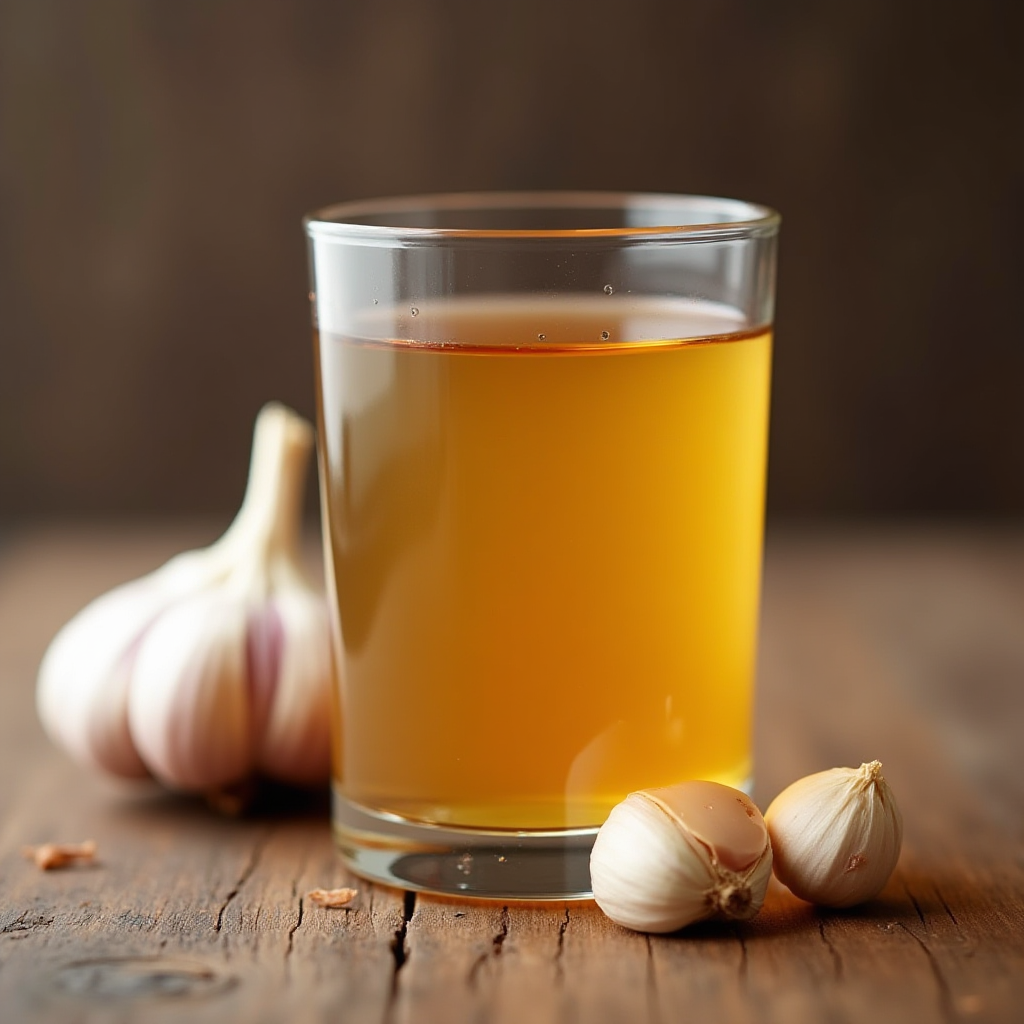

Garlic Tea – Circulation Booster or Folklore?
Garlic has been valued as both a food and a medicinal plant for thousands of years. In many cultures it has been used to support circulation, immunity, and heart health. Today, garlic tea is sometimes promoted as a natural way to improve blood flow and support cardiovascular wellbeing.
But does garlic tea genuinely help circulation, or is it simply a traditional remedy without strong evidence? Understanding what modern research says about garlic can help answer that question.
Looking for a specific herbal tea? Browse the full A–Z list here:
Herbal Teas A-Z List
Get the Free Herbal Tea Shop Cheat Sheet
Why Garlic Has a Medicinal Reputation
The health reputation of garlic comes largely from its sulphur-containing compounds, especially allicin, which forms when fresh garlic is crushed or chopped. These compounds are believed to have several biological effects:
• mild blood-vessel dilation
• antioxidant activity
• anti-inflammatory properties
• possible effects on cholesterol levels
Because circulation depends heavily on healthy blood vessels, these properties have led researchers to examine garlic’s role in cardiovascular health.
Evidence from Scientific Studies
Most scientific research focuses on garlic as a food or supplement, rather than garlic tea specifically. Nevertheless, the findings provide clues about what garlic tea might offer.
Several clinical studies suggest garlic consumption may:
• slightly reduce blood pressure in some people
• modestly improve cholesterol profiles
• support healthy blood-vessel function
However, the effects tend to be modest rather than dramatic, and they vary between individuals. Garlic tea should therefore be viewed as a supportive dietary habit rather than a treatment.
Garlic Tea and Circulation
Healthy circulation relies on flexible blood vessels and balanced blood pressure. Garlic’s compounds may contribute to this in several ways:
• helping blood vessels relax
• supporting nitric oxide production
• reducing oxidative stress in blood vessels
These effects may explain why garlic has traditionally been associated with improved circulation. Drinking garlic tea provides a diluted form of these compounds, though likely at lower concentrations than supplements.
How to Prepare Garlic Tea
A garlic infusion is simple to prepare and can easily be incorporated into a daily routine.
Basic preparation method:
- Crush or finely chop one or two fresh garlic cloves.
- Place them in a cup of hot (not boiling) water.
- Allow the mixture to steep for about 5–10 minutes.
- Strain if desired.
Because garlic has a strong flavour, many people add lemon juice, honey, or ginger to improve the taste.
Safety Considerations
Garlic is generally safe when consumed as food, but larger medicinal amounts require caution.
Important considerations include:
• Garlic may interact with blood-thinning medications.
• High intake can cause digestive discomfort.
• Some people experience heartburn or stomach irritation.
Anyone taking medication for heart conditions or circulation should consult a healthcare professional before regularly consuming garlic.
You may also find it helpful to read:
Can Herbal Tea Interact with Medication?
https://meganpublishingservices.com/herbal-tea-benefits/can-herbal-tea-interact-with-medication/
FAQ
Does garlic really improve circulation?
Garlic contains compounds that may support blood-vessel function. While garlic tea provides these compounds in smaller amounts, it may contribute mildly to cardiovascular health.
Is garlic tea safe to drink every day?
For most healthy adults, moderate consumption is safe. However, those taking blood-thinning medication should seek medical advice first.
Is fresh garlic as effective as garlic supplements?
Garlic supplements typically contain higher and more standardised concentrations of active compounds. Garlic tea is milder and better viewed as a supportive dietary choice.
Conclusion
Garlic tea sits somewhere between traditional remedy and nutritional support. Research suggests that garlic’s natural compounds may contribute to healthy circulation and cardiovascular function, although the effects are generally modest.
Rather than viewing garlic tea as a cure, it is more realistic to consider it a supportive addition to a balanced diet and healthy lifestyle. Combined with good nutrition, exercise, and medical guidance when needed, it may play a small rôle in maintaining cardiovascular wellbeing.
Further Reading: National Center for Complementary and Integrative Health – Garlic
Further Reading: Harvard Health Publishing – Garlic and Heart Health
Other Articles in This Series
1] Hibiscus and Cholesterol
2] Herbal Teas for Cardiovascular Support
3] Hawthorn Berry Tea for Heart Health
Further Reading
For a full evidence-based overview of herbal tea benefits, safety, and quality considerations, read our complete guide to Herbal Tea Benefits.
Visit our bookshop to check out the ‘culturally grounded, Otherworldly narratives’ by Owen Jones.
Recommended Products 🌿
If you’d like to try this tea yourself, using a good-quality source that delivers worldwide makes a real difference.
Garlic capsules (odourless) → https://amzn.to/4sWWBmz
High-quality Garlic press → https://amzn.to/4sFBsxD
Tea infuser: https://amzn.to/4lAToGE
Glass teapot: https://amzn.to/4snGsGY
Storage boxes: https://amzn.to/47UQgQf
Assortment Box: https://amzn.to/3NFO9ZJ
Looking for a specific herbal tea? Browse the full A–Z list here:
Herbal Teas A-Z List
Get the Free Herbal Tea Shop Cheat Sheet