
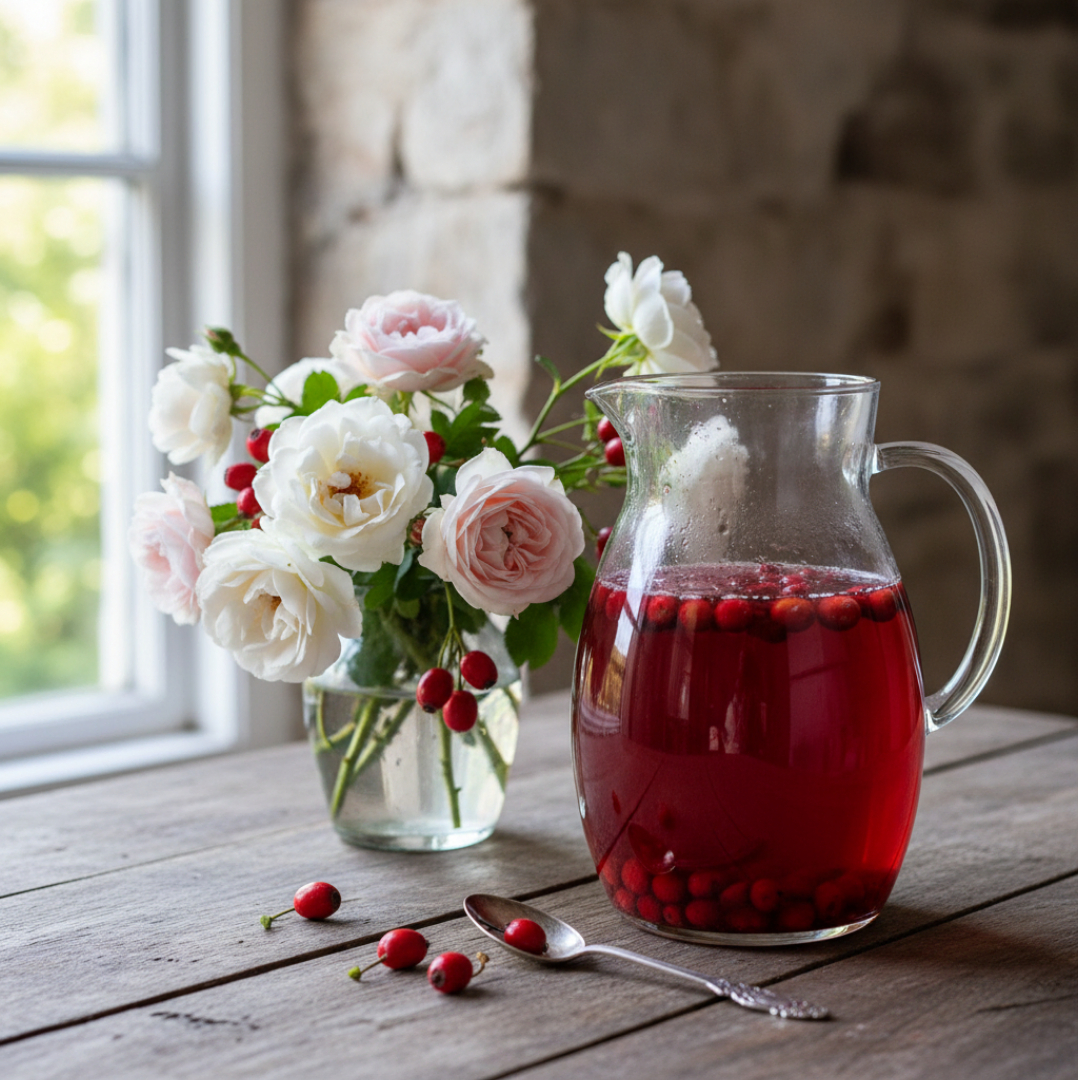


Benefits & Cautions of Hawthorn Berry Tea
Hawthorn berry tea has long been associated with traditional remedies for the heart and circulation. Made from the berries, leaves, or flowers of the hawthorn plant, this herbal infusion is rich in natural compounds that may support cardiovascular function. Because of this reputation, many people explore hawthorn berry tea for heart health as part of a broader approach to maintaining wellbeing.
Modern research has examined hawthorn’s potential effects on blood flow, blood pressure, and heart function. While it is not a substitute for medical treatment, evidence suggests that hawthorn may provide supportive benefits when used responsibly.
What Is Hawthorn Berry Tea?
Hawthorn berry tea is a herbal infusion prepared from the fruit of the hawthorn shrub (Crataegus species). The berries are typically dried and then steeped in hot water to create a mildly tart, slightly sweet drink.
In traditional European herbal practice, hawthorn has been used for centuries to support the cardiovascular system. The berries contain a range of plant compounds, including flavonoids and oligomeric proanthocyanidins, which are believed to contribute to its potential health effects.
Because the tea is naturally caffeine-free, it can be enjoyed at any time of day.
Why Hawthorn Is Associated with Heart Health
Interest in hawthorn berry tea for heart health largely comes from the plant’s bioactive compounds. These compounds may influence circulation in several ways.
First, hawthorn is thought to support blood vessel relaxation, which may help improve blood flow. When blood vessels widen slightly, circulation becomes more efficient and pressure on the arterial walls may decrease.
Second, the antioxidants in hawthorn may help protect blood vessels from oxidative stress. Oxidative damage is associated with ageing and cardiovascular disease, so antioxidant intake is often considered beneficial for long-term heart health.
Finally, some studies suggest hawthorn may support the strength of heart muscle contractions, helping the heart pump blood more effectively.
Potential Benefits of Hawthorn Berry Tea for Heart Health
While herbal teas are not medicines, several potential benefits are frequently discussed in relation to hawthorn.
Circulation support
Hawthorn may help improve circulation by encouraging better blood vessel function. Improved circulation allows oxygen and nutrients to move more efficiently through the body.
Mild blood pressure support
Some studies indicate hawthorn may contribute to modest reductions in blood pressure. This effect is thought to occur through improved vessel relaxation and circulation.
Antioxidant protection
The flavonoids in hawthorn act as antioxidants, which may help protect cells from oxidative stress. Antioxidants are widely studied for their role in maintaining cardiovascular health.
Traditional heart tonic
In traditional herbal medicine, hawthorn has often been described as a “heart tonic”, meaning a herb believed to gently support heart function over time. Traditionally, herbalists through the ages have given creadance to Hawthorn berry tea for heart health.
What Scientific Research Suggests
Clinical studies examining hawthorn extracts have produced mixed but generally encouraging results.
Some research suggests hawthorn may improve symptoms in people with mild heart failure when used alongside conventional treatment. Other studies indicate possible improvements in blood pressure and circulation markers.
However, the strength of evidence varies, and many studies use concentrated extracts rather than tea. For that reason, hawthorn tea should be viewed as a mild supportive beverage rather than a therapeutic intervention.
How Hawthorn Berry Tea Is Prepared
Hawthorn berry tea is typically prepared by steeping dried berries in hot water.
A common method is to add one to two teaspoons of dried hawthorn berries to a cup of hot water and allow the mixture to steep for around ten minutes. Because the berries are firm, some people prefer to lightly crush them before brewing to release more flavour.
The tea has a gentle, slightly fruity taste and can be enjoyed on its own or blended with other herbs.
Cautions and Safety Considerations
Although hawthorn tea is widely consumed, and hawthorn berry tea for heart health is widely believed to be safe, it is important to approach herbal remedies with awareness.
Hawthorn may interact with certain heart medications, including drugs used to treat blood pressure or heart rhythm conditions. Anyone taking cardiovascular medication should consult a healthcare professional before using hawthorn regularly.
Pregnant or breastfeeding individuals are also typically advised to seek medical advice before consuming herbal preparations.
Moderate consumption is generally considered safe for most healthy adults, but excessive intake of any herbal product should be avoided.
FAQ
Is hawthorn berry tea good for heart health?
Hawthorn berry tea contains antioxidants and plant compounds that may support circulation and blood vessel function, which is why it is often associated with heart health.
How often can you drink hawthorn berry tea?
Many people enjoy one or two cups per day, but individual tolerance and medical conditions should always be considered.
Does hawthorn tea lower blood pressure?
Some studies suggest hawthorn may contribute to modest blood pressure reductions, though results vary and tea is generally milder than concentrated extracts. See also: Does Hibiscus Tea Lower Blood Pressure?
Can hawthorn replace heart medication?
No. Herbal teas should never replace prescribed medical treatments for heart conditions.
Refer to: Cleveland Clinic: Heart-healthy Herbal Remedies
Conclusion
Interest in hawthorn berry tea for heart health comes from centuries of traditional use combined with modern research into the plant’s antioxidant compounds. The tea may offer gentle support for circulation and cardiovascular wellbeing when enjoyed as part of a healthy lifestyle.
However, hawthorn should always be approached with sensible caution, particularly for people already taking heart medications. Used responsibly, hawthorn berry tea can be a pleasant and potentially beneficial addition to a balanced herbal tea routine.
Hawthorn berry tea is not known for its anti-inflammatory effect.
Further Reading
For a full evidence-based overview of herbal tea benefits, safety, and quality considerations, read our complete guide to Herbal Tea Benefits.
Visit our bookshop to peruse novels by Owen Jones.