

Which Tea Is Healthier?
Both hibiscus tea and green tea are widely praised for their potential health benefits. Although they are very different in origin and composition, many people compare hibiscus vs green tea when deciding which drink to include in a healthy daily routine. The debate around hibiscus vs green tea often focuses on antioxidants, heart health, and caffeine content.
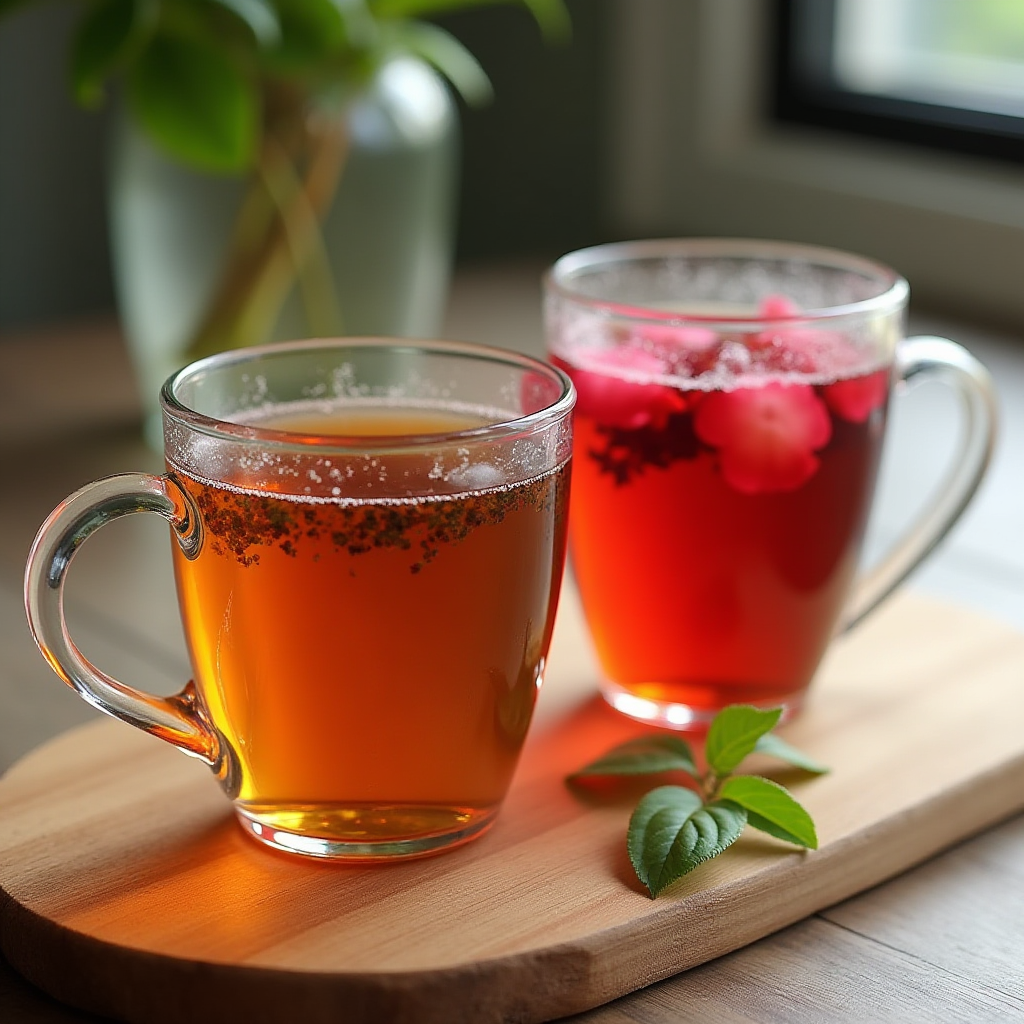
Hibiscus tea is made from the dried calyces of the hibiscus flower and produces a deep red infusion with a tart, cranberry-like flavour. Green tea, by contrast, is made from the leaves of the Camellia sinensis plant and has been consumed in Asia for thousands of years.
When considering which tea is healthier, hibiscus vs green tea, the answer often depends on individual needs, preferences, and health goals.
Nutritional Differences Between Hibiscus and Green Tea
One of the most important distinctions in the hibiscus vs green tea comparison is their nutritional composition.
Green tea contains natural compounds called catechins, especially epigallocatechin gallate (EGCG), which are known for their antioxidant properties. These compounds are widely studied for their potential roles in supporting heart health, metabolism, and cellular protection.
Hibiscus tea also contains antioxidants, particularly anthocyanins, the pigments that give the tea its rich red colour. These compounds are associated with anti-inflammatory effects and may support cardiovascular health.
Although both teas contain beneficial plant compounds, they belong to different botanical families and offer slightly different nutritional profiles.
Further reading: Herbal Tea vs True Tea
Caffeine Content: Hibiscus vs Green Tea
Another major difference between hibiscus vs green tea is caffeine.
Green tea naturally contains caffeine because it comes from the traditional tea plant. Although the caffeine level is lower than coffee, it can still have a mild stimulating effect.
Hibiscus tea, on the other hand, is an herbal infusion and naturally caffeine-free. For people trying to reduce caffeine intake or looking for a drink in the evening, hibiscus tea may be the better option.
Those who enjoy the gentle alertness provided by caffeine may prefer green tea during the daytime.
Potential Heart Health Benefits
Heart health is one of the most frequently discussed topics in the hibiscus vs green tea debate.
Several studies have examined hibiscus tea for its potential ability to support healthy blood pressure levels. The antioxidants present in hibiscus may help support circulation and vascular health.
Green tea has also been widely studied for cardiovascular benefits. Its catechins may help support healthy cholesterol levels and protect blood vessels from oxidative stress.
Because both teas contain powerful plant compounds, many people choose to drink them regularly as part of a balanced lifestyle.
Further reading: Does Hibiscus Tea Lower Blood Pressure?
Taste and Drinking Experience
Taste plays an important role in deciding the hibiscus vs green tea debate.
Hibiscus tea has a bold, tart flavour that some people compare to cranberry or pomegranate. It can be enjoyed hot or cold and is often used in refreshing iced teas.
Further Reading: National Center for Complementary and Integrative Health – Hibiscus
Green tea has a more delicate flavour that ranges from grassy and vegetal to slightly sweet, depending on the variety and brewing method.
Further Reading: Harvard T.H. Chan School of Public Health – Green Tea
People who enjoy bright, fruity flavours may prefer hibiscus tea, while those who appreciate a more traditional tea experience often favour green tea.
Which Tea Should You Choose?
When comparing hibiscus vs green tea, the healthier option depends on what you want from your drink.
If you prefer a caffeine-free beverage with a tangy flavour and potential cardiovascular benefits, hibiscus tea may be the better choice. If you want a tea that provides antioxidants along with a mild caffeine boost, green tea may suit your daily routine.
Many tea drinkers enjoy both. Drinking different types of tea at different times of the day can provide variety while allowing you to experience the unique qualities of each infusion.
Cautions and Considerations
Although both hibiscus tea and green tea are widely consumed, they may not be suitable for everyone.
Green tea contains caffeine, which can affect sleep or interact with certain medications. Hibiscus tea may influence blood pressure and could interact with some prescriptions.
As with any herbal or traditional drink, moderation is sensible. Anyone with existing medical conditions or who takes medication should consult a healthcare professional before consuming large amounts regularly.
FAQ
Is hibiscus tea healthier than green tea?
Both teas contain beneficial antioxidants, but they provide different compounds. Hibiscus is caffeine-free and rich in anthocyanins, while green tea contains catechins such as EGCG.
Does hibiscus tea contain caffeine?
No. Hibiscus tea is a herbal infusion and naturally caffeine-free.
Can you drink hibiscus and green tea on the same day?
Yes. Many people enjoy green tea earlier in the day for its mild caffeine and hibiscus tea later as a refreshing caffeine-free drink.
Which tea is better for heart health?
Both teas have been studied for cardiovascular support. Hibiscus may help support healthy blood pressure, while green tea is often associated with cholesterol and antioxidant benefits.
Conclusion
The comparison of hibiscus vs green tea shows that both drinks offer valuable qualities, but they serve slightly different purposes. Hibiscus tea is naturally caffeine-free and rich in colourful plant compounds associated with cardiovascular support, while green tea contains catechins and a small amount of caffeine that may support alertness and metabolism.
Rather than choosing hibiscus vs green tear, many people enjoy both teas as part of a varied routine. Green tea may suit daytime drinking, while hibiscus tea can provide a refreshing caffeine-free option later in the day. As with most herbal and traditional drinks, moderation and personal preference remain the key factors when deciding which tea to drink regularly.
Further Reading
For a full evidence-based overview of herbal tea benefits, safety, and quality considerations, read our complete guide to Herbal Tea Benefits.
Visit our bookshop to check out the ‘culturally grounded, Otherworldly narratives’ by Owen Jones.
Recommended Products
High-quality Hibiscus (Loose Leaf): https://amzn.to/4bzVBOd
Hibiscus Tea Bags: https://amzn.to/40IUXZB
Tea infuser: https://amzn.to/4lAToGE
Glass teapot: https://amzn.to/4snGsGY
Storage boxes: https://amzn.to/47UQgQf