
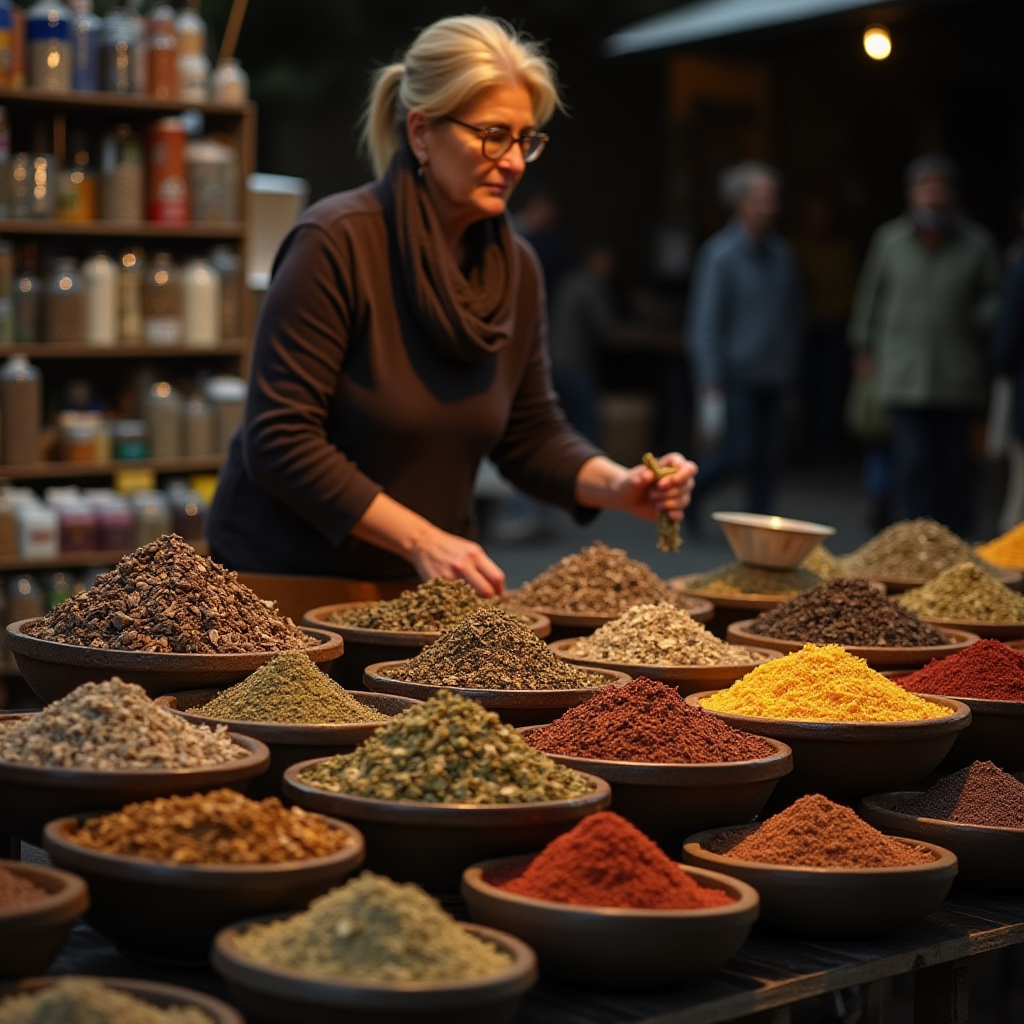

Your Own Herbal Tea Blends Can Support Health and Relaxation
Creating your own herbal tea blends allows you to tailor both flavour and function to your personal needs. Many people turn to herbal teas not just for taste, but to support relaxation, digestion, or sleep, depending on the ingredients used.
By combining different herbs, you can produce a balanced infusion that delivers multiple benefits at once. This flexibility is one of the main reasons why your own herbal tea blends have been used in traditional practices for centuries.
For those exploring herbal teas more broadly, this approach fits naturally alongside guides such as herbal teas for sleep:
https://meganpublishingservices.com/herbal-tea-benefits/herbal-teas-for-sleep/
Further reading: National Center for Complementary and Integrative Health – Herbal Medicine
https://www.nccih.nih.gov/health/herbal-medicine
Choosing Ingredients for Your Own Herbal Tea Blends
Selecting the right ingredients is the foundation of effectively developing your own herbal tea blends. Different herbs serve different purposes, so understanding their basic properties is essential.
Chamomile is widely used for its calming qualities, while peppermint is often chosen for digestion. Lemon balm offers a gentle relaxing effect, and ginger can add warmth and support circulation. Combining these thoughtfully allows you to create blends that are both functional and enjoyable.
Quality also matters. Using fresh or well-preserved dried herbs can significantly improve both the flavour and potential benefits of your own herbal tea blends.
Further reading: Sleep Foundation – Herbal Tea Benefits
https://www.sleepfoundation.org/nutrition/herbal-tea
Balancing Flavour and Strength
When developing your own herbal tea blends, achieving the right balance between flavour and strength is important. Some herbs have mild, pleasant tastes, while others can be strong or even bitter.
A common approach is to use a mild herb such as chamomile or rooibos as a base, then add smaller amounts of stronger herbs like valerian or lavender. This helps maintain a pleasant taste while still delivering the desired effect.
Over time, adjusting the proportions allows you to refine your own herbal tea blends to suit your preferences more precisely.
Simple Methods to Create Your Own Herbal Tea Blends
There is no single correct method for preparing your own herbal tea blends, but a straightforward approach works well for most people. Start by selecting two or three complementary herbs and combining them in small quantities.
After blending, steep the mixture in hot water for around 5–10 minutes, depending on the ingredients. Tasting and adjusting the mixture is part of the process, and small changes can make a noticeable difference.
With practice, creating your own herbal tea blends becomes intuitive, allowing you to adapt recipes based on your needs at different times.
When to Drink Your Own Herbal Tea Blends
The timing of your own herbal tea blends depends on their intended purpose. Calming blends are usually best consumed in the evening, while more refreshing or digestive blends may be better suited to earlier in the day.
Drinking tea consistently at the same time each day can help reinforce habits, particularly when using herbal teas as part of a relaxation routine.
For additional ideas, see best teas to drink before bed:
https://meganpublishingservices.com/herbal-tea-benefits/best-teas-to-drink-before-bed/
Cautions and Considerations
Although your own herbal tea blends are generally considered safe, they may not be suitable for everyone. Some herbs can interact with medications or cause allergic reactions.
Chamomile, for example, may affect those sensitive to plants in the daisy family, while stronger herbs such as valerian may cause drowsiness. It is important to use herbs in moderation and to be aware of their effects.
Anyone with ongoing health concerns or taking medication should consult a healthcare professional before regularly using herbal remedies.
FAQ
What are the benefits of creating your own herbal tea blends?
Creating your own herbal tea blends allows you to customise flavour, strength, and purpose, making them more suited to your individual needs.
How do I start making herbal tea blends at home?
Begin with a few simple herbs such as chamomile or peppermint and experiment with small combinations to find what works best.
Can I mix any herbs together?
Not all herbs are suitable for mixing, so it is important to understand their properties and potential interactions before combining them.
How often can I drink herbal tea blends?
Most herbal teas can be consumed daily, but stronger herbs should be used more cautiously and in moderation.
Conclusion
Learning how to create your own herbal tea blends provides a practical and flexible way to enjoy herbal teas. By selecting suitable ingredients and balancing flavour with function, you can develop blends that suit your preferences and lifestyle.
Rather than relying on pre-made products, many people find that your own herbal tea blends offer greater control and more consistent results over time.
Further Reading
For a full evidence-based overview of herbal tea benefits, safety, and quality considerations, read our complete guide to Herbal Tea Benefits.
1] Herbal Tea for Diabetes:
https://meganpublishingservices.com/herbal-tea-benefits/herbal-tea-for-diabetes/
Visit our bookshop to check out the ‘culturally grounded, Otherworldly narratives’ by Owen Jones.
Recommended Products 🌿
If you would like to begin creating your own herbal tea blends, using reliable, good-quality ingredients can make a noticeable difference.
Chamomile tea (loose leaf): https://amzn.to/3Pv6zgo
Chamomile tea bags: https://amzn.to/4bCq3XM
Peppermint tea (loose leaf): https://amzn.to/4lIQSyi
Peppermint tea bags: https://amzn.to/3NMIelO
Ginger tea (loose leaf): https://amzn.to/3PmSWQw
Ginger tea bags: https://amzn.to/4szy0Ve
Rooibos tea (loose leaf): https://amzn.to/4sAltAK
Rooibos tea bags: https://amzn.to/4bJInyd
Hibiscus tea (loose leaf): https://amzn.to/4bzVBOd
Hibiscus tea bags: https://amzn.to/40IUXZB
Dandelion tea (loose leaf): https://amzn.to/4bFTPep
Dandelion tea bags: https://amzn.to/4dA1Vrp
Valerian Root tea (loose leaf): https://amzn.to/4sq5x43
Valerian Root tea bags: https://amzn.to/4t1QQ7g
Storage boxes: https://amzn.to/47UQgQf
Assortment Box: https://amzn.to/3NFO9ZJ
Glass teapot: https://amzn.to/4snGsGY
Tea infuser: https://amzn.to/4lAToGE