
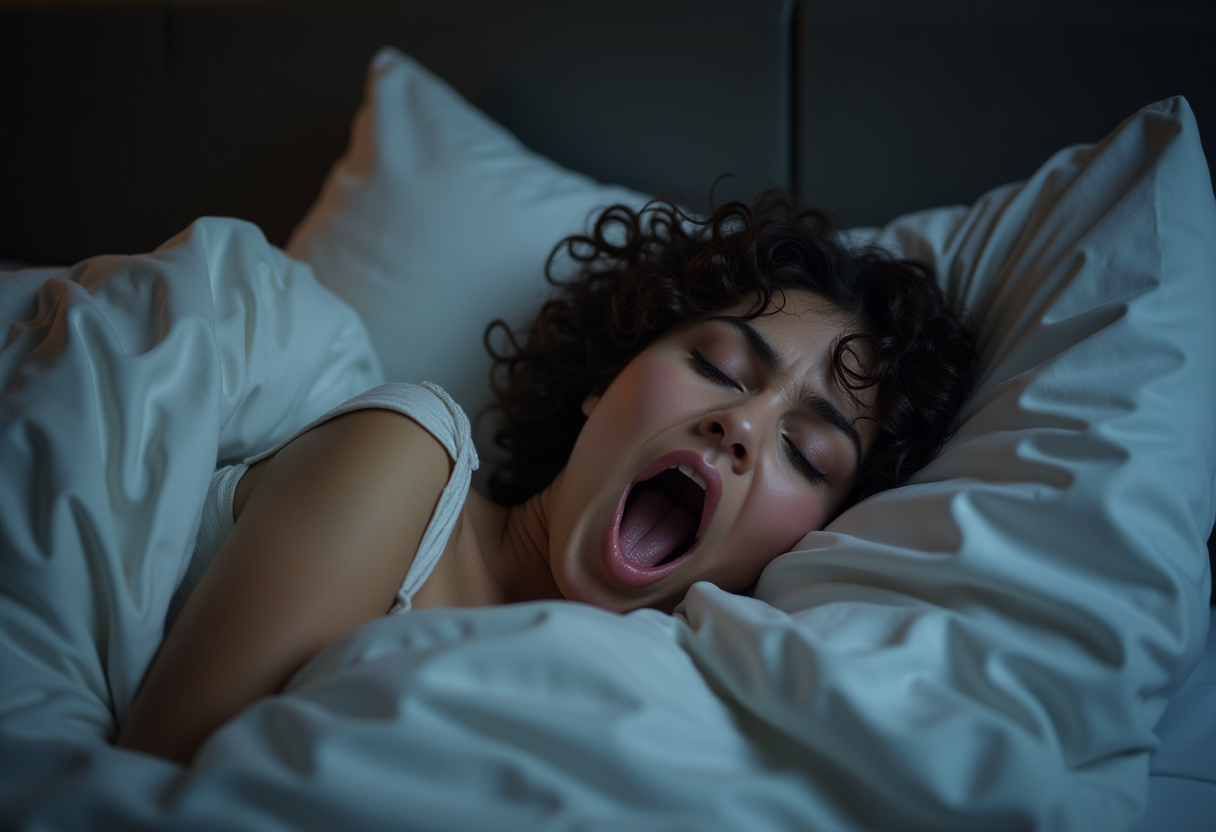


How the right herbal tea can help you fall asleep and stay asleep
That feeling of staring at the ceiling at 2am. The racing thoughts that won’t shut off. The exhaustion that follows you all day because your mind would not quiet at night. Sleep problems affect millions of people, whether difficulty falling asleep, staying asleep, waking too early, or simply not feeling rested. The best herbal teas for sleep work gently with your body’s natural sleep-wake cycle – calming the nervous system, reducing racing thoughts, and promoting relaxation without the grogginess of pharmaceutical sedatives. Unlike sleeping pills that force sleep, these herbs support your body’s own ability to rest. By choosing the right herb for your specific sleep issue and using it consistently, you can improve both the speed of falling asleep and the quality of your rest. Read on to find out more about herbal teas for sleep.
Sleep Support Topics:
01] Herbal Teas for Difficulty Falling Asleep
02] Herbal Teas for Difficulty Staying Asleep
03] Herbal Teas for Early Morning Waking
04] Herbal Teas for Poor Sleep Quality
05] Herbal Teas for Stress-Related Insomnia
06] Home – Herbal Teas for Sleep
07] Home – Herbal Tea Benefits
08] Herbal Tea Articles
09] Herbal Teas Index
10] Herbal Tea Shop
If you’d like to try these herbal teas for sleep for yourself, we’ve curated a selection of high-quality, tested sources below. Every product we recommend has been chosen for purity and potency, or visit our online Herbal Tea Shop for even more choice.
Looking for a specific herbal tea? Browse the full A–Z list here:
Herbal Teas A-Z List
Get the Free Herbal Tea Shop Cheat Sheet
How Herbal Teas Help with Sleep?
The best herbal teas for sleep work through several mechanisms that address both the mind and the body.
- Nervine herbs calm an overactive nervous system, reducing the racing thoughts and mental chatter that keep you awake.
- Sedative herbs have mild sleep-promoting properties that help reduce the time it takes to fall asleep.
- Anxiolytic herbs reduce anxiety, which is a common cause of sleep disruption, particularly difficulty falling asleep.
- Antispasmodic herbs relax tight muscles, reducing physical tension that can interfere with comfortable sleep.
- Mild diuretic herbs (used carefully) may help reduce nighttime bathroom trips when consumed earlier in the evening.
Unlike pharmaceutical sleeping pills that can cause dependency and next-day grogginess, the best herbal teas for sleep work gently and are safe for regular use when taken as directed.
The best herbal teas for sleep
Chamomile tea is one of the most widely recognised and safest herbal teas for sleep. Its primary active compound, apigenin, binds to GABA receptors in the brain, producing mild calming effects that help reduce the time it takes to fall asleep. Chamomile is particularly effective for generalised anxiety that interferes with sleep and for those who have trouble quieting their mind at night. Unlike pharmaceutical sedatives, chamomile does not cause dependency or significant next-day drowsiness. For best results, drink a cup of chamomile tea thirty to sixty minutes before bed. Chamomile tea is widely considered one of the best herbal teas for sleep.
Valerian Root tea has a stronger sedative reputation than chamomile, but research results are mixed. Valerian influences GABA receptors and has been shown to reduce sleep latency (the time it takes to fall asleep) and improve sleep quality in some studies. However, valerian has a strong, earthy, unpleasant aroma and flavour that many people find off-putting. It is often blended with better-tasting herbs such as lemon balm or peppermint. A small percentage of people experience paradoxical stimulation from valerian, becoming more alert rather than calmer. Try valerian for the first time on a night when next-day alertness is not critical. Valerian is also one on the best herbal teas for sleep, but it works on a different level that chamomile.
Passionflower tea is a classic nervine that increases GABA levels in the brain, promoting relaxation without heavy sedation. It is particularly useful for sleep problems caused by racing thoughts, mental agitation, or anxiety. Unlike valerian, passionflower has a milder, earthy, slightly sweet flavour that is better tolerated. It can be drunk before bed or combined with chamomile for enhanced effect. Passionflower tea is also one of the best herbal teas for sleep, because it calms the mind.
Lemon Balm tea has mild sedative and calming properties that help reduce nervous tension. It is particularly useful for sleep problems linked to stress and anxiety. Lemon balm is rarely strong enough to be effective on its own for significant insomnia, but it works well in combination with other sleep herbs such as chamomile or valerian. Its mild, citrusy flavour makes blends more palatable.
Lavender tea is well known for its calming aroma, but drinking lavender tea also provides internal benefits for sleep. Studies suggest lavender can reduce anxiety and improve sleep quality. Lavender has a distinct, perfumed flavour that some find relaxing and others find overpowering. It blends well with chamomile or lemon balm.
Ashwagandha tea is an adaptogenic herb that helps the body manage stress, which is a major cause of sleep disruption. Unlike acute sedatives that work quickly but temporarily, ashwagandha works cumulatively, with benefits for sleep typically becoming noticeable after two to four weeks of consistent daily use. It is best taken earlier in the day rather than immediately before bed.
Holy Basil (Tulsi) tea is another adaptogen that helps the body adapt to stress. It is particularly useful for sleep problems caused by chronic stress, burnout, or feeling overwhelmed. Like ashwagandha, it works cumulatively and is best taken consistently over time.
How to choose the right tea for your sleep problem
Selecting the best herbal teas for sleep depends on the nature of your sleep problem.
For difficulty falling asleep (sleep onset insomnia): Chamomile and passionflower are excellent choices. Both help quiet racing thoughts and promote relaxation without heavy sedation. Drink thirty to sixty minutes before bed.
For difficulty staying asleep (sleep maintenance insomnia): Valerian root has the strongest evidence for improving sleep quality and reducing nighttime awakenings. Chamomile can also help.
For early morning waking: This is often linked to stress and elevated cortisol. Ashwagandha and holy basil (Tulsi) help lower cortisol over time. Drink these earlier in the day for cumulative effect.
For poor sleep quality (waking unrefreshed): Passionflower and valerian may improve sleep depth and quality. Give them several weeks of consistent use.
For stress-related insomnia: Chamomile, lemon balm, and ashwagandha address both the stress and the sleep disruption.
For those who are pregnant or breastfeeding: Chamomile is generally considered safe in moderate amounts. Avoid valerian and passionflower. Always consult a healthcare provider.
For children: Chamomile and lemon balm are the best herbal teas for sleep being the safe and gentle options. Use half the adult amount.
How to use herbal teas for sleep effectively
Timing matters – drink your chosen tea thirty to sixty minutes before bed. This allows time for the active compounds to be absorbed and begin working. Drinking immediately before lying down may increase nighttime bathroom trips.
Create a routine – the ritual of preparing and drinking tea can be as important as the herbs themselves. Use the same relaxing routine each night to signal to your nervous system that it is time to sleep.
Be consistent – herbal teas for sleep work best when used consistently over time. Avoid using them only sporadically.
Combine with good sleep hygiene – herbal teas for sleep work best alongside a regular sleep schedule, a dark and cool bedroom, reduced screen time before bed, and stress management techniques.
Be patient – adaptogens like ashwagandha and holy basil require two to four weeks of consistent daily use before sleep benefits become noticeable. Acute herbs like chamomile and passionflower work the same night.
Rotate your herbs – using the same herbal teas for sleep every night can lead to tolerance. Rotate between chamomile, passionflower, and valerian.
Safety considerations
Most herbal teas for sleep are safe for regular use when taken as directed. However, several precautions apply.
Valerian root may cause drowsiness and should not be combined with alcohol or sedative medications. A small percentage of people experience paradoxical stimulation rather than sedation. Do not drive or operate heavy machinery until you know how valerian affects you.
Passionflower is generally safe but may cause dizziness in sensitive individuals. Pregnant women should avoid passionflower.
Ashwagandha should be used with caution by those with thyroid conditions, as it can increase thyroid hormone levels. It may also interact with sedatives and diabetes medications.
Chamomile may cause allergic reactions in individuals sensitive to ragweed, chrysanthemums, marigolds, or other plants in the Asteraceae family.
Lemon balm is generally very safe but may interact with thyroid medications and sedatives.
Lavender is generally very safe but may cause mild digestive upset in sensitive individuals.
If you have a diagnosed sleep disorder, are taking medication, or are pregnant, consult your healthcare provider before using herbal teas medicinally. Even the best herbal teas for sleep are complementary supports, not replacements for prescribed treatment.
FAQ’s
What is the best herbal tea for falling asleep?
Chamomile and passionflower are excellent choices for difficulty falling asleep. Both help quiet racing thoughts and promote relaxation without heavy sedation.
How long before bed should I drink herbal tea?
Drink your tea thirty to sixty minutes before bed. This allows time for absorption while reducing the likelihood of nighttime bathroom trips.
Can herbal tea help with staying asleep through the night?
Yes. Valerian root has the strongest evidence for improving sleep quality and reducing nighttime awakenings. Chamomile can also help.
Is it safe to drink sleep tea every night?
Most gentle herbs like chamomile are safe for daily use. Stronger herbs like valerian are best cycled (e.g., five nights on, two nights off) to prevent tolerance. Rotating between different herbs also helps.
How long does it take for herbal tea to work for sleep?
Acute herbs like chamomile and passionflower work the same night, with effects noticeable within thirty to sixty minutes. Adaptogens like ashwagandha require two to four weeks of consistent daily use.
Conclusion
The best herbal teas for sleep offer a gentle, natural way to improve both the speed of falling asleep and the quality of your rest. Chamomile is the safest and most versatile choice for most people. Passionflower helps quiet racing thoughts. Valerian has stronger sedative effects but is not for everyone. Lemon balm and lavender are gentle additions to blends. Ashwagandha and holy basil address the root cause of stress-related insomnia over time. By matching the herb to your specific sleep problem and using it consistently as part of a relaxing bedtime routine, the best herbal teas for sleep can become a valuable part of your bedtime hygiene practice.
Recommended Products
If you’d like to try these teas for yourself, we’ve curated a selection of high-quality, tested sources below. Every product we recommend has been chosen for purity and potency, or visit our online Herbal Tea Shop for even more choice.
👉 Best to try first: Chamomile Tea
If you only try one tea for sleep, start here. Chamomile is gentle, safe, and effective for most people. It helps with falling asleep and staying asleep.
Chamomile tea (loose leaf): https://amzn.to/3Pv6zgo
Chamomile tea bags: https://amzn.to/4bCq3XM
Ashwagandha root tea (loose leaf): https://amzn.to/4sKLQEh
Green tea (loose leaf): https://amzn.to/4lV0bLO
Green tea bags: https://amzn.to/4sx5CmB
Hibiscus tea (loose leaf): https://amzn.to/4bzVBOd
Hibiscus tea bags: https://amzn.to/40IUXZB
Lavender tea (loose leaf): https://amzn.to/4bCESLp
Lemon balm tea (loose leaf): https://amzn.to/4bA4NlH
Lemon balm tea bags: https://amzn.to/47elJNf
Passionflower tea (loose leaf): https://amzn.to/4dhmjNZ
Passionflower tea bags: https://amzn.to/4lXRdgt
Peppermint tea (loose leaf): https://amzn.to/4lIQSyi
Peppermint tea bags: https://amzn.to/3NMIelO
Rooibos tea (loose leaf): https://amzn.to/4sAltAK
Rooibos tea bags: https://amzn.to/4bJInyd
Valerian root tea (loose leaf): https://amzn.to/4sq5x43
Valerian root tea bags: https://amzn.to/4t1QQ7g
Manuka Honey: https://amzn.to/47p7i9g
Tea infuser: https://amzn.to/4lAToGE
Glass teapot: https://amzn.to/4snGsGY
High-quality Garlic press: https://amzn.to/4sFBsxD
Storage boxes: https://amzn.to/47UQgQf
Assortment Box: https://amzn.to/3NFO9ZJ
Visit our online Herbal Tea Shop for more choice!
Do you read novels? Visit our bookshop to check out the ‘culturally grounded, Otherworldly narratives’ by Owen Jones.
Looking for a specific herbal tea? Browse the full A–Z list here:
Herbal Teas A-Z List
Get the Free Herbal Tea Shop Cheat Sheet
Further Reading
For a full evidence-based overview of herbal tea benefits, safety, and quality considerations, read our complete guide to Herbal Tea Benefits
1] For detailed information on chamomile, see Chamomile Tea
2] For information on stronger sleep remedies, see Valerian Root Tea – Benefits and Risks
3] For anxiety and stress that interfere with sleep, see Best Herbal Teas for Anxiety and Stress Relief
4] For safety guidance on herbal teas, see Are Herbal Teas Safe?
5] For potential interactions with medications, see Herbal Tea and Medication
Visit our bookshop to check out the ‘culturally grounded, Otherworldly narratives’ by Owen Jones.
References
1] Government agency overview of insomnia and sleep disorders from the National Health Service (NHS) – Insomnia
2] Summary of research on chamomile for sleep and anxiety from the National Center for Complementary and Integrative Health (NCCIH) – Chamomile
3] Evidence-based information on valerian for sleep from the National Center for Complementary and Integrative Health (NCCIH) – Valerian
4] Practical recommendations for using herbal teas for sleep from the Cleveland Clinic – Best Teas for Sleep