

Why how to source bulk herbs safely matters
Understanding how to source bulk herbs safely is essential if you want consistent quality, reliable supply, and minimal health risk. Poor sourcing exposes you to contamination, adulteration, and degraded potency. When you learn how to source bulk herbs safely, you gain control over origin, handling, and storage conditions, which directly affects flavour, efficacy, and safety. This is particularly important when buying in large quantities, where one mistake can affect months of consumption. A structured approach to how to source bulk herbs safely reduces guesswork and ensures repeatable results.
Click the link for more details, specific and general, on the safety of herbal tea.
Identifying reputable suppliers
A core part of how to source bulk herbs safely is selecting suppliers with transparent practices. Look for clear origin labelling, batch numbers, and verifiable contact details. Established suppliers should provide documentation such as certificates of analysis and demonstrate adherence to recognised standards. Avoid anonymous marketplace listings with vague descriptions. If a supplier cannot answer basic questions about sourcing, harvesting, or storage, that is a red flag. Learning how to source bulk herbs safely means prioritising traceability over price.
Understanding herb origin and growing conditions
Another critical element of sourcing bulk herbs safely is knowing where and how the herbs were grown. Soil quality, climate, and farming methods all influence the final product. Herbs grown in polluted areas may contain heavy metals or pesticide residues. Organic certification can help, but it is not a guarantee of quality. When applying how to source bulk herbs safely, assess whether the supplier provides geographic origin and farming details. This information helps you evaluate potential risks before purchase.
Checking for contamination and adulteration
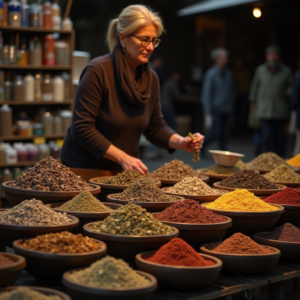
Adulteration is a common issue in the herbal market, making it vital to understand how to source bulk herbs safely. Some suppliers dilute or substitute herbs with cheaper materials. Others may sell poorly processed stock containing mould, insects, or debris. Visual inspection, smell, and texture all matter. Reliable vendors often provide lab testing results for contaminants such as heavy metals and microbes. Incorporating these checks into how to source bulk herbs safely protects both quality and safety.
The importance of proper drying and processing
Drying methods significantly affect herbal quality, which is why they are central to how to bulk buying herbs safely. Herbs dried too quickly can lose volatile compounds, while slow or improper drying can lead to mould growth. Processing should preserve colour, aroma, and structure. If herbs appear dull, brittle, or odourless, quality may be compromised. When applying how to source bulk herbs safely, prioritise suppliers who explain their drying and handling processes clearly.
Packaging and transport considerations
Packaging plays a major rôle in how to buy herbs in bulk safely. Herbs should be stored in airtight, food-grade containers that protect against moisture, light, and contamination. Bulk shipments should arrive sealed and intact. Exposure to heat or humidity during transport can degrade herbs before they reach you. Understanding how to source bulk herbs safely includes checking packaging integrity and asking about shipping conditions, especially for international orders.
Storage after purchase
Learning how to source bulk herbs safely does not end at purchase. Storage conditions at home or in your workspace are equally important. Herbs should be kept in cool, dark, and dry environments to maintain potency. Improper storage can lead to mould, loss of flavour, and reduced effectiveness. If you are unsure how storage affects herbal quality, see this guide on shelf life of dried herbs. Proper storage completes the process of how to source bulk herbs safely.
Comparing loose leaf and tea bags
Format matters when considering how to source bulk herbs safely. Loose leaf herbs generally offer better transparency and quality control than pre-packed tea bags. You can inspect whole or cut herbs more easily, reducing the risk of hidden contaminants. For a detailed comparison, refer to loose leaf vs tea bags. This distinction is an important part of how to source bulk herbs safely, especially for long-term use.
Choosing quality over price
Price is often misleading when evaluating how to source bulk herbs safely. Extremely cheap bulk herbs may indicate poor sourcing, contamination, or degradation. While cost efficiency matters, prioritising quality reduces long-term risk and waste. If you want a deeper understanding of evaluating quality, read how to choose quality herbal tea. Applying these principles strengthens your approach to sourcing bulk herbs safely.
Regulatory guidance and safety standards
Reliable information from recognised authorities supports how to source bulk herbs safely. Organisations such as https://www.nccih.nih.gov provide evidence-based guidance on herbal safety, while https://www.nhs.uk offers practical health advice. These sources help you understand potential risks and interactions. Integrating official guidance into how to source bulk herbs safely ensures your decisions are grounded in credible information.
FAQ
What is the safest way to buy bulk herbs?
The safest approach to how to source bulk herbs safely is to choose reputable suppliers with transparent sourcing, request documentation, and inspect the product on arrival. Avoid unknown sellers with limited information.
Are organic herbs always safer?
Organic status can help, but it does not guarantee quality. When learning how to source bulk herbs safely, consider origin, handling, and testing in addition to certification.
How can I tell if herbs are contaminated?
Signs include unusual smell, discolouration, visible debris, or mould. Lab testing and supplier transparency are key factors in how to source bulk herbs safely.
How long do bulk herbs last?
Yes, if you follow the principles of how to source bulk herbs safely, including checking supplier credibility, reviews, and documentation.
Conclusion
Mastering how to source bulk herbs safely requires attention to supplier credibility, origin, processing, and storage. Each stage affects quality and safety, especially when purchasing in large quantities. By applying consistent standards and using reliable information sources, you reduce risk and improve results. A disciplined approach to how to source bulk herbs safely ensures your herbs remain effective, clean, and fit for long-term use.
Further Reading
For a full evidence-based overview of herbal tea benefits, safety, and quality considerations, read our complete guide to Herbal Tea Benefits.
Visit our bookshop to check out the ‘culturally grounded, Otherworldly narratives’ by Owen Jones.
Recommended Products
High-quality Chamomile (Loose Leaf): https://amzn.to/3Pv6zgo
High-quality Hibiscus (Loose Leaf): https://amzn.to/4bzVBOd
Tea infuser: https://amzn.to/4lAToGE
Glass teapot: https://amzn.to/4snGsGY
Storage boxes: https://amzn.to/47UQgQf