
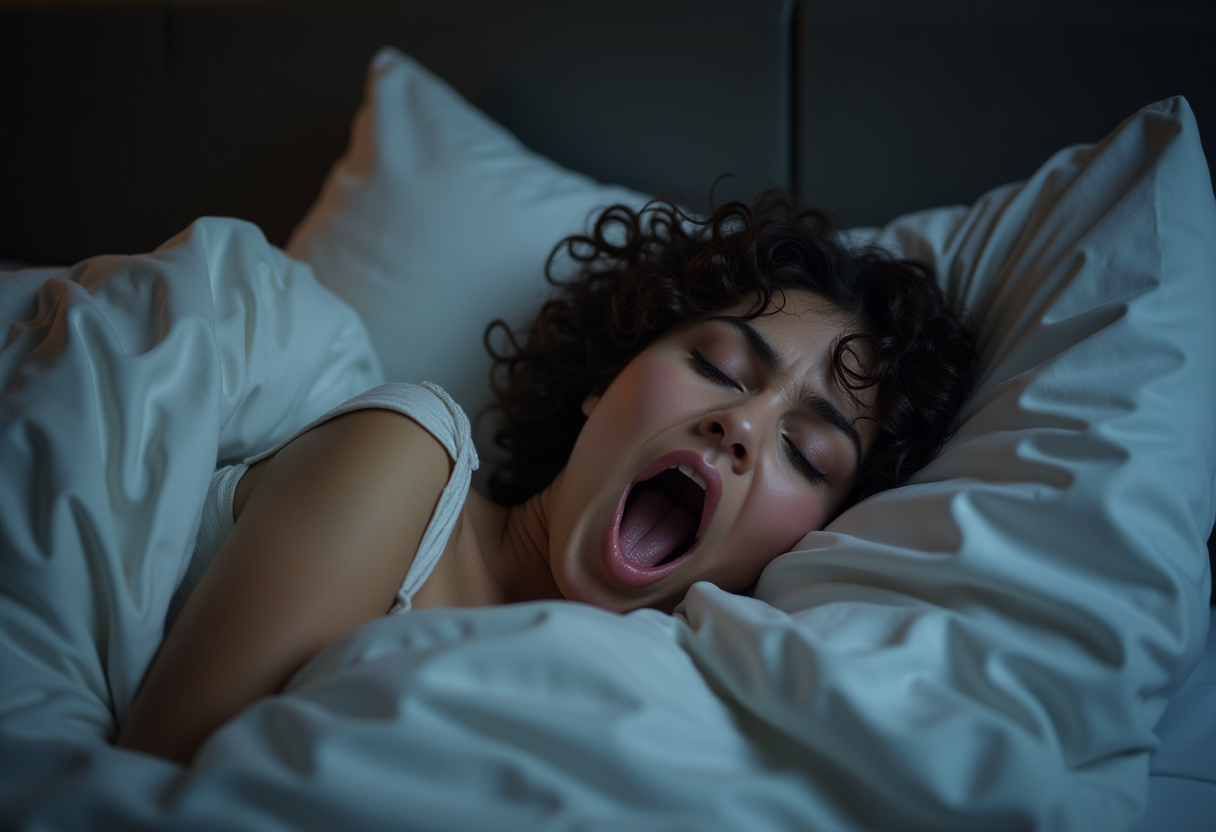


Magnesium vs Herbal Tea for Sleep
Struggling to fall asleep often leads people to compare supplements with natural options. When it comes to magnesium vs herbal tea for sleep, both approaches aim to calm the nervous system—but they work in different ways, and the best choice depends on your needs, tolerance, and routine.
Click the link for a comprehensive, evidence-based guide to the best herbal teas for inducing sleep, including specific herbs and use cases.
Magnesium vs Herbal Tea: What’s the Difference?
Magnesium is a mineral involved in hundreds of bodily processes, including muscle relaxation and nerve function. Many people take it as a supplement to support sleep quality.
Herbal teas, on the other hand, use plant compounds to gently encourage relaxation. They are typically slower acting but form part of a calming bedtime ritual.
How Magnesium May Help Sleep
Magnesium plays a rôle in regulating neurotransmitters linked to sleep, particularly those that help the brain switch into a restful state.
Potential benefits include:
- Supporting muscle relaxation
- Reducing mild anxiety or restlessness
- Helping regulate sleep cycles
However, results vary. Some people notice improvement, while others experience little change or mild digestive side effects.
How Herbal Teas Support Sleep
Certain herbal teas have long been used to promote relaxation without the need for supplements.
Chamomile
Chamomile contains apigenin, a compound that binds to receptors in the brain associated with sleepiness.
Valerian Root
Valerian is stronger and often used for more persistent sleep issues. It may help reduce the time it takes to fall asleep.
Lemon Balm
Lemon Balm offers mild calming effects and is often used for stress-related sleep disturbances.
Magnesium vs Herbal Tea for sleep : Which Works Better?
There is no universal winner in the debate on magnesium vs herbal tea for sleep. The choice depends on how your body responds and what you prefer.
- Magnesium may suit those with a deficiency or physical tension
- Herbal tea is better for relaxation, habit-building, and gentle support
In practice, many people find herbal tea easier to maintain because it becomes part of a nightly routine rather than a clinical intervention.
Can You Use Both Together?
Yes, magnesium and herbal tea are often combined. For example, taking magnesium earlier in the evening and drinking a calming tea before bed can provide layered support.
That said, it’s sensible to start with one approach first to see how your body responds to magnesium vs herbal tea for sleep.
When to Choose Herbal Tea Instead
Herbal tea may be the better option if you:
- Prefer natural, non-supplement approaches
- Want to avoid pills or capsules
- Are sensitive to supplement side effects
- Need a calming bedtime ritual
Are There Any Downsides?
- Magnesium: may cause digestive discomfort in some forms
- Herbal tea: effects are milder and may take longer to notice
Neither is a guaranteed solution, and persistent sleep problems may need broader lifestyle changes.
FAQ
Is magnesium more effective than herbal tea for sleep?
Not necessarily. Magnesium may help in cases of deficiency, while herbal teas support relaxation and routine.
How long before bed should I take magnesium or drink tea?
Magnesium is usually taken 1–2 hours before bed. Herbal tea is best consumed 30–60 minutes before sleep.
Can I drink herbal tea every night?
Yes, most sleep-supporting herbal teas are suitable for regular use when consumed in moderation.
Does herbal tea work immediately?
It is generally subtle. The benefits build through consistency and routine.
If you’d like to try these teas yourself to help you decide on using magnesium vs herbal tea for sleep, using a good-quality source makes a real difference.
Conclusion
In the comparison of magnesium vs herbal tea for sleep, both have their place. Magnesium may address underlying deficiencies, while herbal teas offer a gentler, more sustainable approach centred on relaxation and routine. For many people, starting with herbal tea is the simplest and most accessible option.
Further Reading: Pro magnesium advice: https://ods.od.nih.gov/factsheets/Magnesium-HealthProfessional/
Further Reading: Government Advice on Chamomile: https://www.nccih.nih.gov/health/chamomile
Further Reading: UK NHS advice on insomnia: https://www.nhs.uk/conditions/insomnia/
Further Reading
For a full evidence-based overview of herbal tea benefits, safety, and quality considerations, read our complete guide to Herbal Tea Benefits.
1] Unrelated, but important to many:
Herbal Tea for Diabetes
Visit our bookshop to check out the ‘culturally grounded, Otherworldly narratives’ by Owen Jones.
Recommended Products 🌿
If you’d like to try these teas yourself, using a good-quality source that delivers worldwide, order with confidence:
High-quality Chamomile tea (loose leaf): https://amzn.to/3Pv6zgo
Chamomile tea bags: https://amzn.to/4bCq3XM
High-quality Lemon Balm tea (loose leaf): https://amzn.to/4bA4NlH
Lemon Balm tea bags: https://amzn.to/47elJNf
High-quality Valerian Root: https://amzn.to/4sq5x43
Valerian Root tea bags: https://amzn.to/4t1QQ7g
Tea infuser: https://amzn.to/4lAToGE
Glass teapot: https://amzn.to/4snGsGY
High-quality Garlic press: https://amzn.to/4sFBsxD
Storage boxes: https://amzn.to/47UQgQf
Assortment Box: https://amzn.to/3NFO9ZJ
Looking for a specific herbal tea? Browse the full A–Z list here:
Herbal Teas A-Z List
Get the Free Herbal Tea Shop Cheat Sheet