

What Are Antioxidants in Herbal Tea?
Antioxidants in herbal tea are natural compounds found in plants that help protect the body from oxidative stress. Oxidative stress occurs when free radicals damage cells, contributing to ageing and various health concerns. Herbal teas contain a range of antioxidants, including flavonoids and polyphenols, which may help neutralise these harmful molecules.
Understanding antioxidants in herbal tea is important because these compounds form the basis of many claimed health benefits. While herbal teas vary widely depending on the plant used, most contain some level of antioxidant activity that supports general wellbeing.
If you’d like to try the teas in this article for yourself, we’ve curated a selection of high-quality, tested sources below. Every product we recommend has been chosen for purity and potency, or visit our online Herbal Tea Shop for even more choice.
Looking for a specific herbal tea? Browse the full A–Z list here:
Herbal Teas A-Z List
Get the Free Herbal Tea Shop Cheat Sheet
How Antioxidants in Herbal Tea Work in the Body
The role of antioxidants in tea centres on reducing cellular damage. Free radicals are produced naturally through metabolism and exposure to environmental factors such as pollution and sunlight. When these accumulate, they can damage proteins, lipids, and DNA.
Antioxidants help stabilise free radicals, preventing them from causing further harm. This protective effect may support long-term health by reducing the strain on the body’s repair systems. Although herbal tea is not a cure for disease, regular intake may contribute to overall resilience.
Types of Antioxidants Found in Herbal Tea
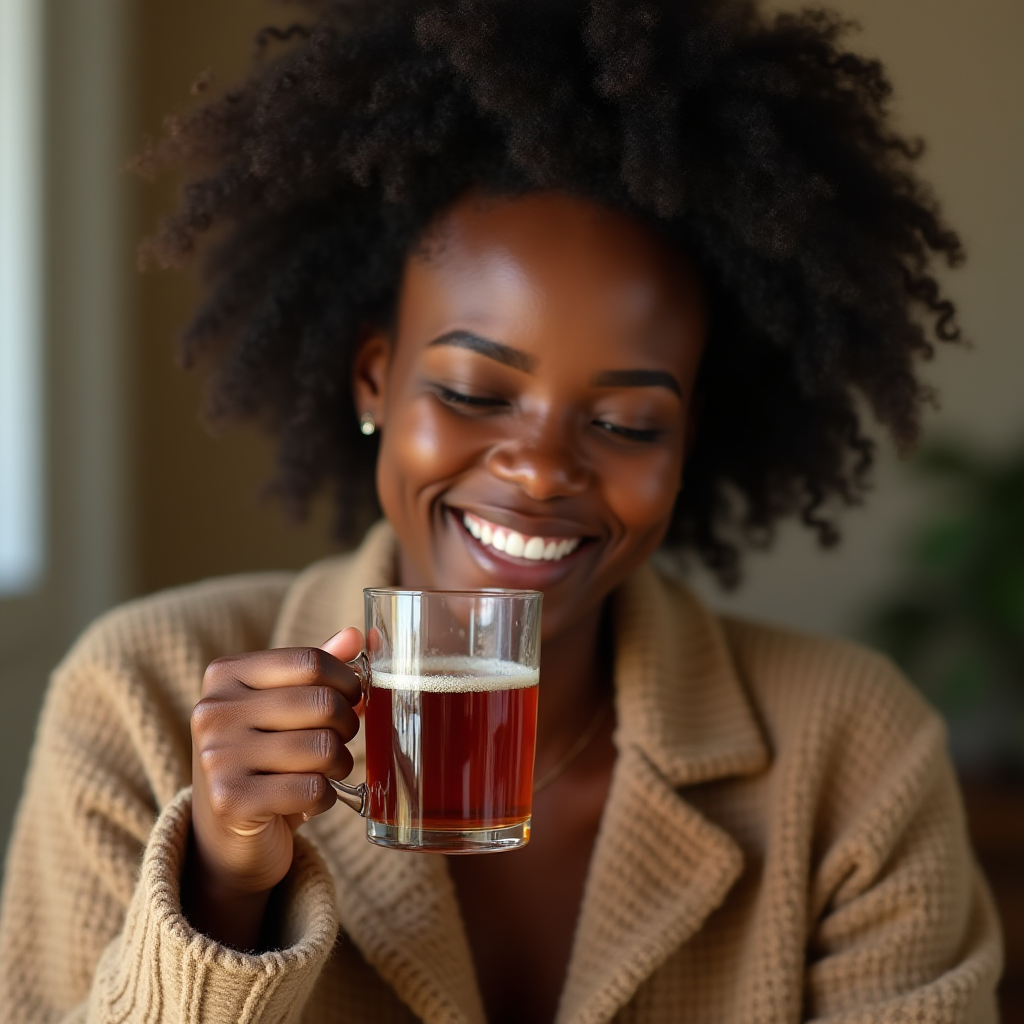
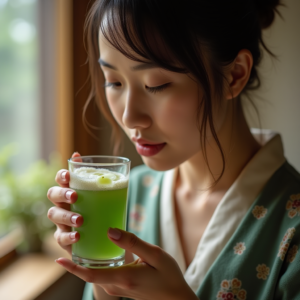
Different herbs provide different forms of antioxidants in tea. For example, green tea is rich in catechins, while rooibos contains unique polyphenols such as aspalathin. Hibiscus is known for anthocyanins, which give it its deep red colour and contribute to its antioxidant profile.
These variations mean that antioxidants in herbal tea are not uniform. Each type of tea offers a slightly different combination of compounds, which may influence its specific benefits. Rotating between different herbal teas can therefore provide a broader range of antioxidant support.
Antioxidants in Herbal Tea and Skin Health
One of the most discussed benefits of antioxidants in tea is their potential impact on skin health. Oxidative stress is a major factor in premature ageing, contributing to wrinkles and loss of elasticity.
By reducing oxidative damage, antioxidants in herbal tea may help maintain healthier-looking skin. This does not produce immediate visible changes, but over time it may support a clearer and more balanced complexion. This is why antioxidant-rich teas are often included in discussions about natural skincare.
For related topics, see Best Teas for Skin Health and Collagen and Herbal Tea: Any Connection?.
Do Antioxidants Support Heart Health?
Antioxidants in herbal tea may also play a rôle in supporting cardiovascular health. Oxidative stress can affect blood vessels and contribute to inflammation, both of which are linked to heart-related conditions.
Some herbal teas, such as hibiscus, have been studied for their potential effects on blood pressure and circulation. While results vary, the antioxidant content is often considered one of the contributing factors. This highlights another area where antioxidants in herbal tea may offer indirect health support.
Limitations of Antioxidants in Herbal Tea
It is important to understand the limits of antioxidants in herbal tea. While they contribute to general health, they are not a substitute for a balanced diet or medical treatment. The body relies on a wide range of nutrients, and no single source provides everything needed.
Claims that antioxidants in herbal tea can prevent or cure diseases should be treated with caution. Their benefits are supportive and cumulative, working best as part of a broader healthy lifestyle.
How to Maximise Antioxidants in Herbal Tea
To get the most from herbal tea with regard to antioxidants, preparation and quality both matter. Using fresh, high-quality herbs can improve the concentration of beneficial compounds. Steeping times should be long enough to extract these compounds without making the tea overly bitter.
Drinking herbal tea regularly, rather than occasionally, is more likely to provide consistent antioxidant support. Combining different types of tea may also increase the range of antioxidants consumed.
For safety advice, see Are Herbal Teas Safe?.
Frequently Asked Questions
What are antioxidants in herbal tea good for?
Antioxidants in herbal tea help protect cells from oxidative stress and may support overall health.
Which herbal tea has the most antioxidants?
Green tea, hibiscus, and rooibos are often associated with high antioxidant levels.
How often should I drink herbal tea for antioxidants?
One to three cups daily is typical for consistent intake of antioxidants in herbal tea.
Conclusion
Antioxidants in herbal tea provide a natural way to support the body’s defence against oxidative stress. While they do not offer instant results, regular consumption of antioxidant-rich teas may contribute to long-term health and wellbeing. Understanding antioxidants in herbal tea helps set realistic expectations while recognising their supportive rôle.
Recommended Products
If you’d like to try these teas for yourself, we’ve curated a selection of high-quality, tested sources below. Every product we recommend has been chosen for purity and potency, or visit our online Herbal Tea Shop for even more choice.
High-quality Green tea (loose leaf): https://amzn.to/4lV0bLO
Green tea (tea bags): https://amzn.to/4sx5CmB
Hibiscus tea (loose leaf): https://amzn.to/3PpQvYh
Hibiscus tea bags: https://amzn.to/3NQyV1J
Rooibos (loose leaf): https://amzn.to/4sAltAK
Rooibos (tea bags): https://amzn.to/4bJInyd
Manuka Honey: https://amzn.to/47p7i9g
Tea infuser: https://amzn.to/4lAToGE
Glass teapot: https://amzn.to/4snGsGY
High-quality Garlic press: https://amzn.to/4sFBsxD
Storage boxes: https://amzn.to/47UQgQf
Assortment Box: https://amzn.to/3NFO9ZJ
Visit our online Herbal Tea Shop for more choice!
Do you read novels? Visit our bookshop to check out the ‘culturally grounded, Otherworldly narratives’ by Owen Jones.
Looking for a specific herbal tea? Browse the full A–Z list here:
Herbal Teas A-Z List
Get the Free Herbal Tea Shop Cheat Sheet
Further Reading
For a full evidence-based overview of herbal tea benefits, safety, and quality considerations, read our complete guide to Herbal Tea Benefits.
1] The Benefits of Herbal Tea
2] How to Choose Quality Herbal Tea
3] Loose Leaf Tea vs Tea Bags?
4] Are Herbal Teas Safe?
5] Herbal Tea for Diabetes
6] Collagen and Herbal Tea
7] Best Teas for Skin Health
8] For general information on antioxidants and their role in health, the NHS provides clear, evidence-based guidance.
9] For a broader scientific overview of antioxidants and nutrition, the Harvard T.H. Chan School of Public Health explains how these compounds function in the body.
Visit our bookshop to check out the ‘culturally grounded, Otherworldly narratives’ by Owen Jones.