

The adaptogenic root that helps the body handle stress
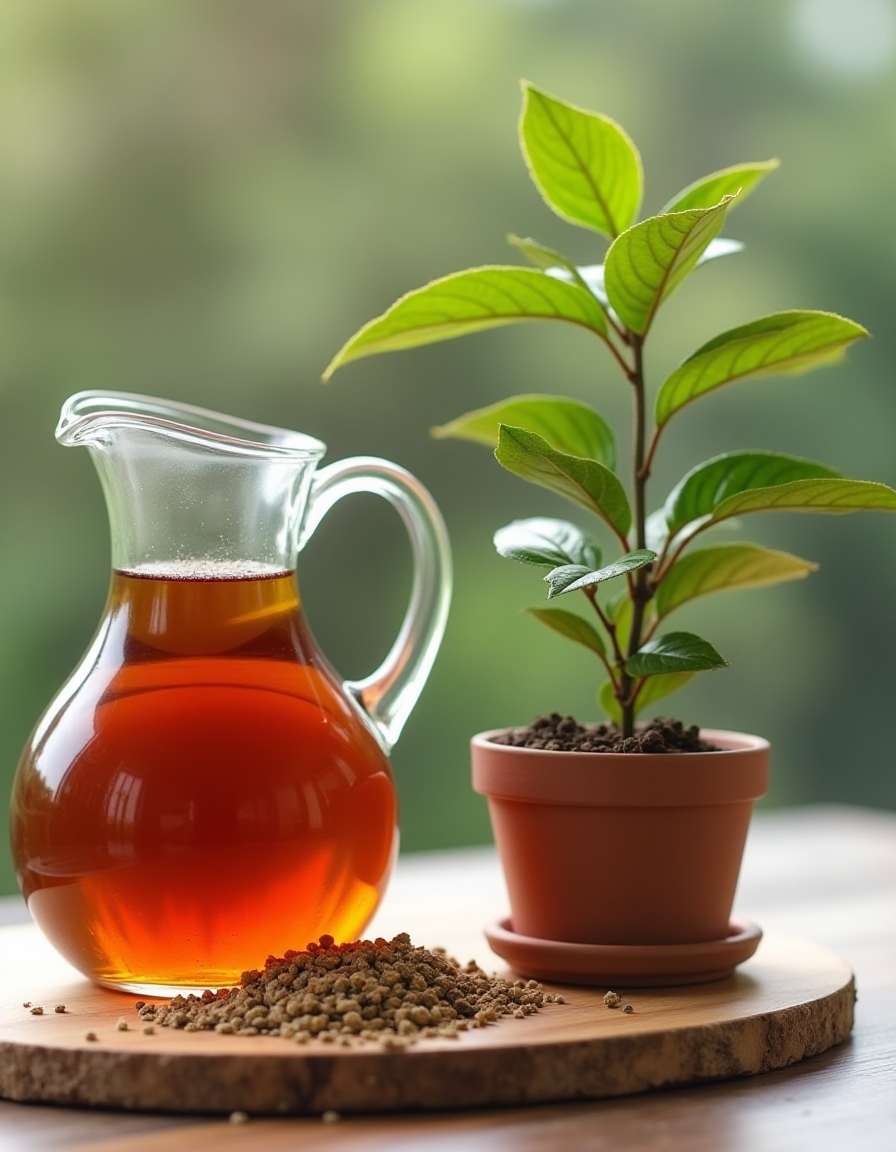
Ashwagandha tea, made from the root of the Withania somnifera plant, is one of the most revered herbs in Ayurvedic medicine, with a history of use spanning over three thousand years. Known as “Indian ginseng” or “winter cherry,” ashwagandha is classified as a rasayana – a rejuvenative tonic that promotes physical and mental health, longevity, and vitality. Unlike stimulants that provide a temporary energy boost followed by a crash, ashwagandha is an adaptogen, meaning it helps the body resist and recover from stress by modulating the stress response system. Modern research has validated many of its traditional uses, particularly for stress reduction, anxiety relief, improved sleep, cognitive function, and physical performance. Ashwagandha tea offers a gentle, caffeine-free way to incorporate this powerful herb into a daily wellness routine, building resilience against the cumulative effects of chronic stress.
If you’d like to try these teas for yourself, we’ve curated a selection of high-quality, tested sources below. Every product we recommend has been chosen for purity and potency.
Looking for a specific herbal tea? Browse the full A–Z list here:
Herbal Teas A-Z List
Get the Free Herbal Tea Shop Cheat Sheet
What ashwagandha tea is and how it works
Ashwagandha (Withania somnifera) is a small evergreen shrub native to India, the Middle East, and parts of Africa. Its roots and orange-red berries have been used for centuries in Ayurvedic medicine. The name “ashwagandha” translates to “smell of a horse,” referring both to the distinct odour of the fresh root and the traditional belief that consuming it imparts the strength and vitality of a stallion.
The primary active compounds in ashwagandha are withanolides, a group of steroidal lactones that have been extensively studied for their therapeutic properties. These compounds work through several mechanisms: cortisol modulation (reducing elevated cortisol levels, the primary stress hormone), GABAergic activity (enhancing the effects of GABA, a calming neurotransmitter), anti-inflammatory effects (reducing inflammatory markers such as C-reactive protein), antioxidant activity (protecting cells from oxidative damage), and thyroid modulation (supporting healthy thyroid function). When prepared as a tea, these compounds are extracted into the water, providing a gentle but effective way to support the body’s stress response system.
Unlike acute anxiety remedies that work quickly but temporarily, ashwagandha works cumulatively. The benefits build over days and weeks of consistent use, making it particularly valuable for chronic stress management rather than acute symptom relief.
Key health benefits of ashwagandha tea
Stress and anxiety reduction is the most well-documented benefit of ashwagandha tea. Multiple clinical studies have shown that ashwagandha significantly reduces perceived stress levels and lowers serum cortisol. Unlike benzodiazepines and other pharmaceutical anxiolytics, ashwagandha does not cause dependency, tolerance, or significant next-day drowsiness. It works by normalising the stress response system rather than simply sedating the nervous system. For individuals who feel “tired but wired”—exhausted by stress but unable to calm down—ashwagandha is particularly effective.
Sleep improvement is another significant benefit. Ashwagandha has been shown to improve sleep quality, reduce sleep onset latency (the time it takes to fall asleep), and increase total sleep time. Its sleep-promoting effects are thought to be related to its GABAergic activity and its ability to reduce stress-related hyperarousal. Unlike pharmaceutical sleep aids, ashwagandha does not alter normal sleep architecture or cause next-day drowsiness. It is particularly useful for people whose insomnia is driven by racing thoughts and an inability to “switch off” at night.
Cognitive function support has been demonstrated in several studies. Ashwagandha may improve memory, attention, and information processing speed. It is thought to protect the brain from oxidative stress and may promote neurogenesis (the growth of new neurons). For individuals experiencing stress-related “brain fog” or age-related cognitive decline, regular ashwagandha tea may offer meaningful support.
Physical performance and endurance benefits make ashwagandha popular among athletes and active individuals. Studies have shown that ashwagandha can increase VO2 max (a measure of aerobic capacity), improve muscle strength and recovery, and reduce exercise-induced muscle damage. These effects are likely related to its adaptogenic properties, which help the body handle physical as well as psychological stress.
Thyroid support is a traditional use of ashwagandha that has received research attention. Ashwagandha has been shown to increase thyroid hormone levels in individuals with subclinical hypothyroidism. However, this also means that individuals with hyperthyroidism or those taking thyroid medication should use ashwagandha with caution.
Immune system modulation has been demonstrated in preliminary research. Ashwagandha appears to increase the activity of natural killer cells and other immune markers, suggesting it may help the body resist infections. Its anti-inflammatory properties also contribute to overall immune health.
Testosterone and reproductive health benefits have been observed in some studies. Ashwagandha has been shown to increase testosterone levels in men and improve sperm quality. In women, it may help with reproductive health and sexual function, though research is more limited.
How to prepare ashwagandha tea
Ashwagandha tea can be prepared from dried ashwagandha root pieces or powder. From dried root pieces: Use one to two teaspoons of dried ashwagandha root per cup of water. Simmer the root pieces in water for 10–15 minutes, then strain. This decoction method extracts more of the active compounds than simple steeping. From powder: Use one-quarter to one-half teaspoon of ashwagandha powder per cup of water. Simmer for 5–10 minutes, then strain through a fine mesh strainer or coffee filter to remove sediment. Traditional preparation: In Ayurvedic practice, ashwagandha is often prepared as a decoction with warm milk, ghee, or honey, which may enhance absorption. Simmer the ashwagandha with milk (dairy or plant-based) rather than water for a creamier, more traditional beverage. Flavour enhancement: Ashwagandha has a bitter, earthy flavour that some find unpleasant. Adding honey, a cinnamon stick, cardamom, or ginger can significantly improve palatability. Blending ashwagandha with rooibos, chamomile, or chai spices is also common.
How to use ashwagandha tea safely
Ashwagandha tea is generally safe for most people when consumed in moderate amounts—one to two cups daily. However, several precautions apply.
Pregnancy and breastfeeding: Ashwagandha is generally not recommended during pregnancy as it may cause uterine contractions and has been traditionally used to induce labour. Breastfeeding women should also avoid ashwagandha due to limited safety data.
Thyroid conditions: Ashwagandha can increase thyroid hormone levels. Individuals with hyperthyroidism (overactive thyroid) should avoid ashwagandha. Those with hypothyroidism (underactive thyroid) taking thyroid medication should consult their healthcare provider before use, as medication dosages may need adjustment.
Autoimmune conditions: Ashwagandha may stimulate the immune system. Individuals with autoimmune conditions such as rheumatoid arthritis, lupus, or multiple sclerosis should consult their healthcare provider before use.
Diabetes medications: Ashwagandha may lower blood sugar levels. If you take diabetes medications or insulin, monitor your blood sugar closely when adding ashwagandha to your routine.
Blood pressure medications: Ashwagandha may lower blood pressure. If you take antihypertensive medication, monitor your blood pressure and consult your healthcare provider.
Sedatives and anti-anxiety medications: Ashwagandha may potentiate the effects of benzodiazepines, barbiturates, and other sedatives. Use caution and consult your healthcare provider.
Stomach ulcers: Ashwagandha may irritate the gastrointestinal tract in large doses. Those with stomach ulcers should start with a lower dose and monitor for irritation.
Surgery: Ashwagandha may slow the central nervous system. It is generally recommended to discontinue use at least two weeks before scheduled surgery.
Recommended dosage
For general stress management and wellness, one cup of ashwagandha tea daily is sufficient. For more pronounced benefits – such as reducing moderate to severe stress, improving sleep, or supporting cognitive function – two cups daily may be consumed. Because ashwagandha works cumulatively, consistency is more important than quantity. Benefits typically become noticeable after two to four weeks of daily use. Many people choose to cycle ashwagandha, taking it daily for six to eight weeks, then taking a break for one to two weeks before resuming.
Limitations of ashwagandha tea
Ashwagandha tea is not a substitute for medical treatment, particularly for clinical anxiety disorders, depression, insomnia, or thyroid conditions. Its effects are modest and work best as part of a broader approach that includes stress management techniques, adequate sleep, and a balanced lifestyle. The concentration of withanolides in tea is lower than in extracts or supplements, so therapeutic effects may be gentler. Claims that ashwagandha “cures” anxiety, insomnia, or thyroid disorders are unsupported; it is best understood as a supportive tool for overall health and stress resilience.
FAQ
What is ashwagandha tea good for?
Ashwagandha tea is primarily used for stress reduction, anxiety relief, improved sleep, cognitive support, and physical performance. It is an adaptogen that helps the body resist and recover from chronic stress.
Does ashwagandha tea make you sleepy?
Ashwagandha has calming properties and may improve sleep quality, but it does not typically cause the kind of acute drowsiness associated with sedatives or valerian. Many people take ashwagandha during the day without experiencing significant sleepiness.
How long does it take for ashwagandha tea to work?
Unlike acute anxiety remedies that work within minutes to hours, ashwagandha works cumulatively. Most people notice benefits after two to four weeks of consistent daily use. For stress reduction, effects continue to build over several months.
Is ashwagandha tea safe to drink every day?
Yes, ashwagandha tea is generally safe for daily use for most healthy adults. However, many practitioners recommend cycling ashwagandha – taking it for six to eight weeks, then taking a one to two week break—to prevent tolerance and allow the body to reset.
What does ashwagandha tea taste like?
Ashwagandha tea has a bitter, earthy, slightly astringent flavour that some find unpleasant. It is often combined with honey, cinnamon, cardamom, ginger, or warm milk to improve palatability.
Conclusion
Ashwagandha tea offers a gentle, adaptogenic approach to stress management that works with the body’s own regulatory systems rather than overriding them. Its ability to lower cortisol, reduce anxiety, improve sleep, support cognitive function, and enhance physical performance makes it one of the most versatile herbal teas for chronic stress resilience. Unlike acute remedies that mask symptoms, ashwagandha addresses the underlying dysregulation of the stress response system, building long-term resilience. Used consistently as part of a daily wellness routine, ashwagandha tea can help you feel more balanced, grounded, and capable of handling life’s challenges.
Further Reading
For a full evidence-based overview of herbal tea benefits, safety, and quality considerations, read our complete guide to Herbal Tea Benefits
1] For more on adaptogens and stress management, see:
Herbal Teas for Stress Management
2] For general anxiety support, see:
Best Herbal Teas for Anxiety and Stress Relief
3] For sleep support, see:
Herbal Teas for Sleep
4] For safety guidance on herbal teas, see:
Are Herbal Teas Safe?
Visit our bookshop to check out the ‘culturally grounded, Otherworldly narratives’ by Owen Jones.
Recommended Products
If you’d like to try ashwagandha tea yourself, using a good-quality source that delivers worldwide makes a real difference.
Ashwagandha root tea (loose leaf): https://amzn.to/4sKLQEh
Ashwagandha tea bags: [link needed – not available]
Cinnamon sticks (to blend with ashwagandha): https://amzn.to/4lL23qa
Cardamom tea (loose leaf): https://amzn.to/4lXXusP
Ginger tea (loose leaf): https://amzn.to/3PmSWQw
Manuka Honey: https://amzn.to/47p7i9g
High-quality Garlic press: https://amzn.to/4sFBsxD
Tea infuser: https://amzn.to/4lAToGE
Glass teapot: https://amzn.to/4snGsGY
Storage boxes: https://amzn.to/47UQgQf
Assortment Box: https://amzn.to/3NFO9ZJ
Looking for a specific herbal tea? Browse the full A–Z list here:
Herbal Teas A-Z List
Get the Free Herbal Tea Shop Cheat Sheet
References
1] National Center for Complementary and Integrative Health (NCCIH) – Ashwagandha:
https://www.nccih.nih.gov/health/ashwagandha
Provides evidence-based information on ashwagandha safety and research.
2] National Institutes of Health (NIH) – Ashwagandha and Stress:
https://www.ncbi.nlm.nih.gov/pmc/articles/PMC6750292/
Peer-reviewed study on ashwagandha’s effects on cortisol and stress.
3] Cleveland Clinic – Ashwagandha Benefits:
https://health.clevelandclinic.org/ashwagandha-benefits
Provides practical guidance on ashwagandha uses and safety.
4] European Medicines Agency – Ashwagandha:
https://www.ema.europa.eu/en/medicines/herbal/withania-somnifera
Offers regulatory and safety assessments for ashwagandha preparations.