

The powerful fever remedy that comes with serious warnings
Boneset tea, made from the dried leaves and flowers of the Eupatorium perfoliatum plant, is one of the most potent fever remedies in traditional herbal medicine. Its name comes from its traditional use for “breakbone fever” – the severe muscle and joint pain associated with dengue fever and severe influenza. Native Americans used boneset for centuries to break fevers by inducing an intense sweat. Early European settlers adopted it enthusiastically, and boneset was listed in the US Pharmacopoeia from 1820 to 1900 as a standard treatment for influenza.
But boneset is not a gentle herb. It is bitter, powerful, and carries real risks. Boneset contains pyrrolizidine alkaloids – compounds that can cause serious liver damage with prolonged use. This is not a tea for daily drinking. It is not a casual beverage. Boneset is a medicinal herb to be used for short periods only, under professional guidance, by people who understand the risks. For those suffering from severe flu, high fever, or chest congestion that will not shift, boneset tea can be effective. But it must be treated with respect.
“If you’d like to try the teas mentioned in this article, we’ve curated a selection of high-quality, tested sources below. Every product we recommend has been chosen for purity and potency, or visit our online Herbal Tea Shop for even more choice”.
Looking for a specific herbal tea? Browse the full A–Z list here:
Herbal Teas A-Z List
Get the Free Herbal Tea Shop Cheat Sheet
What boneset tea is and how it works
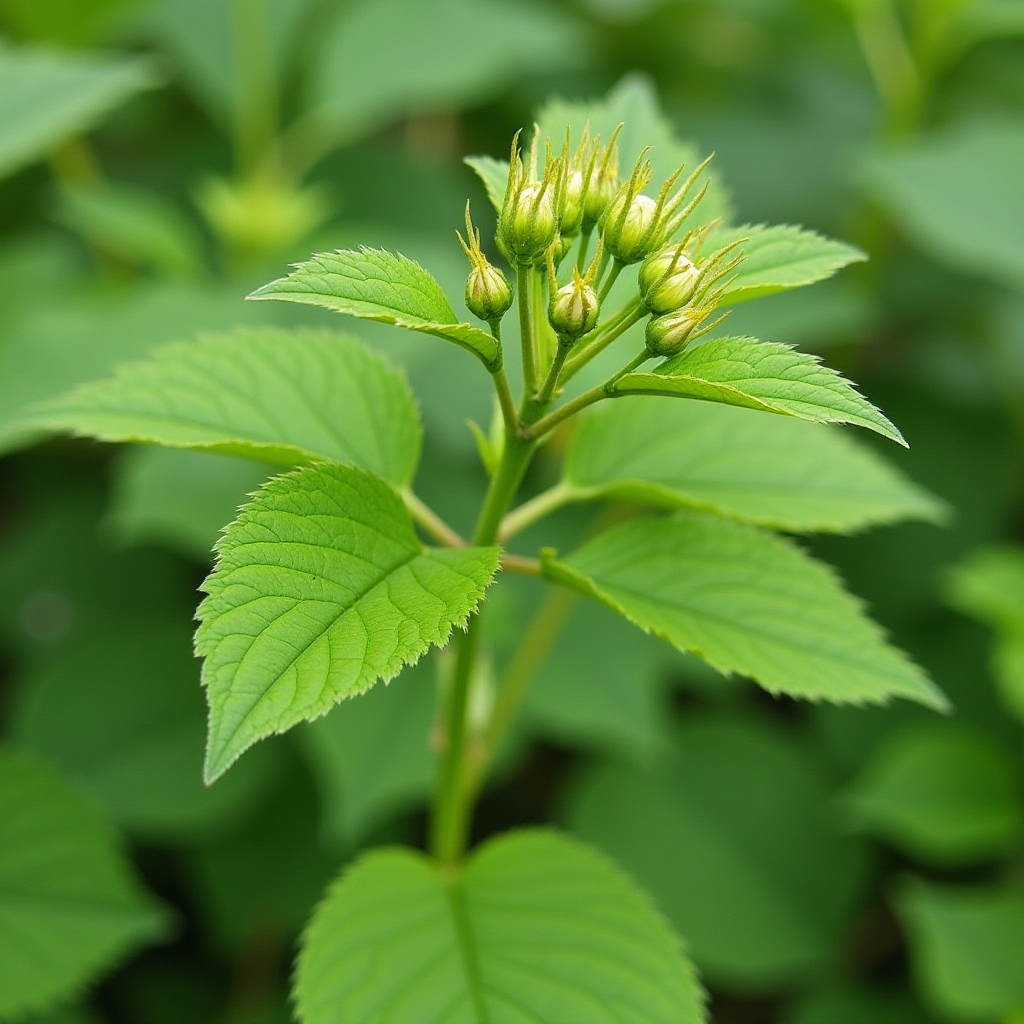
Boneset (Eupatorium perfoliatum) is a perennial herb native to North America, found in wetlands, damp meadows, and along stream banks. It belongs to the Asteraceae (daisy) family, making it a relative of echinacea and chamomile. The plant grows 3-5 feet tall with clusters of small white or white-yellow flowers and distinctive leaves that wrap around the stem (perfoliate, meaning “through the leaf”).
The primary active compounds in boneset include sesquiterpene lactones (notably eupafolin), flavonoids (quercetin and kaempferol), polysaccharides, and pyrrolizidine alkaloids. These compounds work through several mechanisms: diaphoretic action (inducing sweating to lower fever), immune stimulation (activating immune cells), anti-inflammatory effects (reducing swelling and pain), mild antimicrobial activity, and expectorant properties (loosening chest congestion).
Boneset is primarily valued for its ability to break fevers. It works by raising body temperature slightly to induce sweating, which then helps cool the body and eliminate toxins. This makes it most effective at the onset of fever when you feel cold, shivery, and achy.
Key health benefits of boneset tea
Fever reduction is the most well-known benefit of boneset tea. As a diaphoretic, boneset induces sweating which helps lower body temperature naturally. It is particularly effective for fevers associated with influenza, dengue fever, and severe colds. Boneset was used as the standard treatment for influenza in the 19th century.
Flu symptom relief extends beyond fever. Boneset has a reputation for easing the deep muscle aches and bone pain that accompany severe flu – the “breakbone fever” that gives the herb its name. It may help reduce the severity and duration of flu symptoms when taken at the first sign of illness.
Respiratory support includes helping to clear chest congestion, loosen mucus, and calm coughs associated with bronchitis and pneumonia. Boneset is traditionally used for acute bronchitis, upper respiratory infections, and chest congestion that will not shift.
Immune stimulation has been demonstrated in laboratory studies. Boneset extract has been shown to stimulate phagocytic activity – the process by which immune cells engulf and destroy pathogens. In vitro studies have also shown activity against influenza virus and dengue virus.
Digestive support is a traditional use of boneset. In small doses, it acts as a bitter tonic, stimulating digestive secretions and improving appetite. However, larger doses can cause vomiting and diarrhoea, so this use is not recommended without professional guidance.
How to prepare boneset tea
Boneset tea is very bitter. Most herbalists recommend blending it with more palatable herbs.
Simple boneset tea: Use 1–2 teaspoons of dried boneset leaves and flowers per cup of water. Pour freshly boiled water over the herb. Cover and steep for 10–15 minutes. Strain thoroughly. Drink warm, up to three cups daily when needed.
Immune blend tea: Combine 1 teaspoon boneset, 1 teaspoon elderflower, 1 teaspoon peppermint, and a slice of fresh ginger. Steep in 3 cups hot water for 15 minutes. Strain and sweeten lightly with honey if desired.
Flavour improvement: Boneset is extremely bitter. Blending with peppermint, ginger, or anise significantly improves palatability. Honey also helps.
Short-term use only: Boneset tea should not be used for more than 5–7 days consecutively due to the risk of liver damage from pyrrolizidine alkaloids.
How to use boneset tea safely
Boneset tea carries significant risks. You must follow these precautions.
Do not use long-term. Boneset contains pyrrolizidine alkaloids that can cause serious liver damage with prolonged use. Limit use to one week at a time. Do not use boneset tea daily for more than 5–7 days.
Avoid entirely if you have liver disease. Anyone with hepatitis, cirrhosis, fatty liver disease, or any other liver condition should not use boneset.
Do not use for high fevers. Boneset raises body temperature to induce sweating. If your fever is already high (over 39°C or 102°F), boneset could make it dangerously higher.
Pregnancy and breastfeeding: Boneset should be avoided during pregnancy and breastfeeding. Pyrrolizidine alkaloids can cross the placenta and pass into breast milk. Fatal neonatal liver damage has been reported in cases where the mother used PA-containing herbs during pregnancy.
Children: Boneset is not recommended for children due to the risk of liver damage and the lack of safety data.
Medication interactions: Boneset may interact with diuretics, laxatives, sedatives, and medications metabolised by the liver. The liquid extract may contain alcohol and should not be combined with sedatives or CNS depressants.
Overdose risks: Large doses of boneset can cause vomiting, diarrhoea, trembling, weakness, and dehydration. Very large doses may cause internal haemorrhage.
Recommended dosage
For acute fever or flu symptoms: one cup of boneset tea, up to three times daily, for no more than 5–7 days. Start with a small amount to assess your tolerance. The tea is very bitter and may cause nausea in some people, particularly if you are not accustomed to bitter herbs.
Limitations of boneset tea
Boneset tea is not a substitute for medical treatment, particularly for severe influenza, dengue fever, or bacterial infections requiring antibiotics. Its effects are real but potent, and the risks are significant. Claims that boneset “cures” flu or dengue are unsupported; it is best understood as a traditional supportive remedy for fever and body aches, to be used briefly and cautiously.
FAQ
Is boneset tea safe?
For short-term use (one week) in healthy adults with no liver problems, boneset tea is probably safe. However, it contains pyrrolizidine alkaloids that can damage the liver with prolonged use. Do not use boneset tea daily for more than 5–7 days.
What is boneset tea used for?
Boneset tea is traditionally used to break fevers, relieve flu symptoms, ease deep muscle aches, and clear chest congestion. It is a potent diaphoretic (sweat-inducing) herb.
Does boneset tea have side effects?
Yes. Large doses can cause vomiting, diarrhoea, trembling, and weakness. The tea is very bitter and may cause nausea. Long-term use can damage the liver.
Can I drink boneset tea every day?
No. Boneset tea should not be used daily for more than 5–7 days. The pyrrolizidine alkaloids it contains can cause liver damage with prolonged use.
Is boneset tea safe during pregnancy?
No. Boneset should be avoided during pregnancy and breastfeeding. Pyrrolizidine alkaloids can harm the developing fetus and pass into breast milk.
Conclusion
Boneset tea is a powerful traditional remedy for fever, flu, and chest congestion. It works by inducing sweating to lower body temperature and by stimulating the immune system. But boneset is not a gentle herb. It contains pyrrolizidine alkaloids that can damage the liver with prolonged use. This is a short-term remedy – five to seven days maximum. It is not for daily drinking. It is not for people with liver disease. It is not for children, pregnant women, or breast-feeding mothers. If you understand and accept the risks, boneset tea can be effective for severe flu and high fever. But treat it with the respect it deserves.
Recommended Products
If you’d like to try boneset for yourself, we’ve curated a selection of high-quality, tested sources below. Every product we recommend has been chosen for purity and potency, or visit our online Herbal Tea Shop for even more choice.
Boneset tea (loose leaf): [link needed]
Boneset tea bags: [link needed – currently unavailable]
Elderflower tea (loose leaf): https://amzn.to/4cb3I5h (for blending)
Peppermint tea (loose leaf): https://amzn.to/4lIQSyi (for blending)
Ginger tea (loose leaf): https://amzn.to/3PmSWQw (for blending)
Manuka Honey: https://amzn.to/47p7i9g
High-quality Garlic press: https://amzn.to/4sFBsxD
Tea infuser: https://amzn.to/4lAToGE
Glass teapot: https://amzn.to/4snGsGY
Storage boxes: https://amzn.to/47UQgQf
Assortment Box: https://amzn.to/3NFO9ZJ
Visit our online Herbal Tea Shop for more choice!
Do you read novels? Visit our bookshop to check out the ‘culturally grounded, Otherworldly narratives’ by Owen Jones.
Looking for a specific herbal tea? Browse the full A–Z list here:
Herbal Teas A-Z List
Get the Free Herbal Tea Shop Cheat Sheet
Further Reading
For a full evidence-based overview of herbal tea benefits, safety, and quality considerations, read our complete guide to Herbal Tea Benefits
1] For more on fever relief, see:
Herbal Teas for the Relief of Fever
2] For respiratory health, see:
Respiratory Inflammation
3] For safety guidance on herbal teas, see:
Are Herbal Teas Safe?
4] For potential interactions with medications, see:
Herbal Tea and Medication
References
1] National Center for Complementary and Integrative Health (NCCIH) – Boneset
https://www.nccih.nih.gov/health/boneset
Provides safety information and traditional uses.
2] Drugs.com – Boneset Uses, Benefits & Dosage
Comprehensive review of boneset including pyrrolizidine alkaloid warnings and historical use in US Pharmacopoeia.
3] Dr. Christopher Hobbs – Boneset
Detailed herbal monograph with dosage recommendations and safety warnings.
4] Sage Consulting & Apothecary – Boneset
Practical usage guidelines and contraindications.
5] ChiroFind.com – Boneset
Traditional use information and safety precautions.
6] ScienceDirect – Symphytum officinale (pyrrolizidine alkaloid information)
Detailed information on pyrrolizidine alkaloid toxicity and liver damage.
7] Wildly Botanical Co. – Boneset Recipes
Preparation methods and blending suggestions.
8] University of North Carolina – Boneset
Historical and traditional use information.