
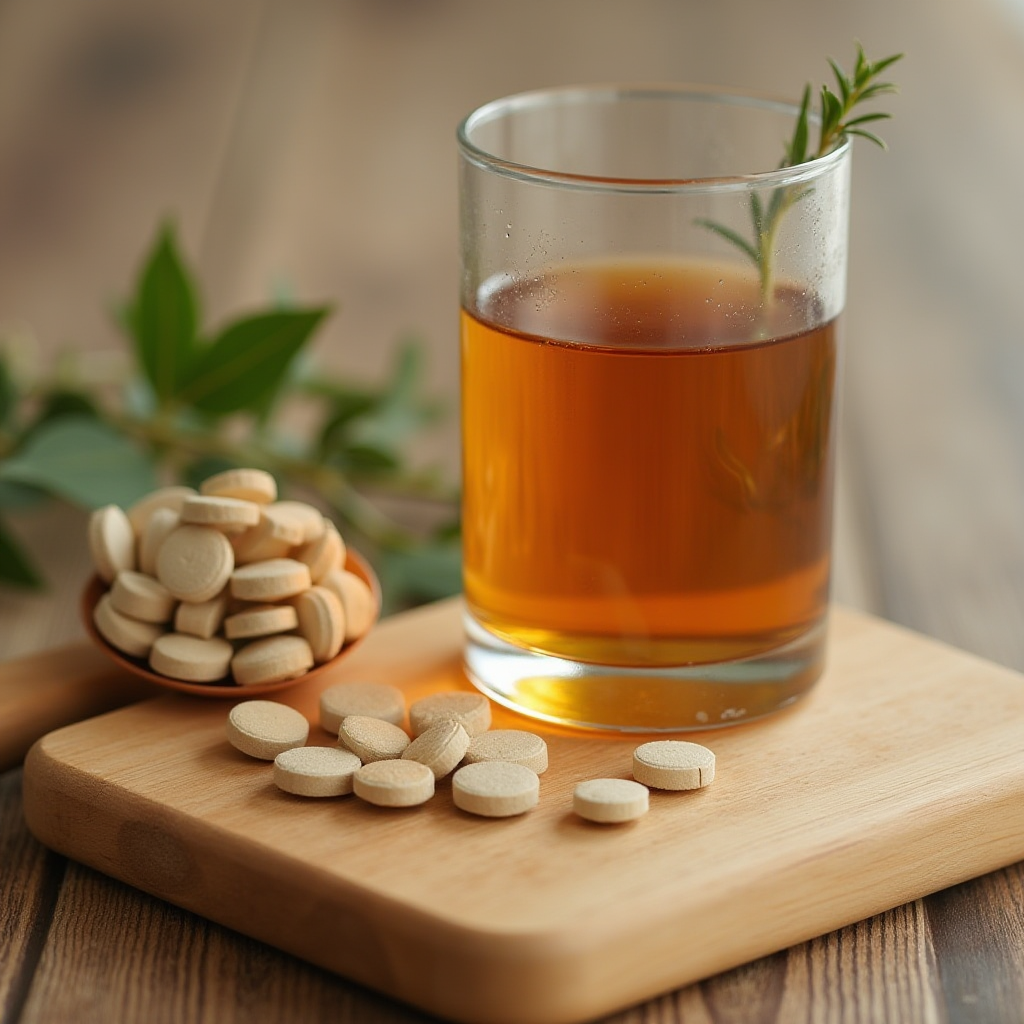

How to enjoy herbal tea safely with prescription medicines
Many people assume herbal tea is harmless because it comes from natural plants. However, herbal teas contain biologically active compounds that can sometimes interact with medications. These substances may influence digestion, liver enzymes, blood pressure, or blood clotting. When combined with prescription or over-the-counter medicines, the effects can occasionally change how a medication is absorbed, metabolised, or eliminated. For most healthy adults, occasional herbal tea is unlikely to cause serious problems. Nevertheless, people taking medication regularly should understand the potential for interactions. This guide explains which herbs to be cautious with and how to enjoy herbal tea safely alongside medical treatment. Read on to find out more about herbal tea and medication.
Safety Support Topics:
1] General safety
2] Medication interactions
3] Pregnancy & sensitive groups
4] Side effects
5] Safe usage & limits
6] Home – Herbal Tea Safety
7] Home – Herbal Tea Benefits
8] The Herbal Tea Shop
If you would like to try the herbal teas mentioned in this article for yourself, we have curated a selection of high-quality, tested sources below. Every product we recommend has been chosen for purity and potency, or visit our online Herbal Tea Shop for even more choice.
Looking for a specific herbal tea? Browse the full A–Z list here:
Herbal Teas A-Z List
Get the Free Herbal Tea Shop Cheat Sheet
How Herbal Tea Can Affect Medicines
Herbal tea and medication can interact in several ways.
Altering drug metabolism – Some herbs influence liver enzymes that break down medications. If these enzymes become more or less active, a drug may remain in the body longer (increasing side effects) or be cleared too quickly (reducing effectiveness).
Changing absorption – Certain herbs may affect digestion or stomach acidity, potentially altering how medicines are absorbed in the gastrointestinal tract.
Amplifying or weakening effects – In some cases, herbal tea and medication may produce similar physiological effects. This can either strengthen or reduce the intended action of a medication.
Because herbal teas are widely consumed without medical supervision, these potential interactions are sometimes overlooked.
Common Herbal Teas Known for Potential Interactions
There have been many studies concentrating on the interaction between herbal tea and medication.
St John’s Wort – Although more commonly taken as a supplement, it may appear in herbal infusions. St John’s wort can affect liver enzymes and may interfere with antidepressants, birth control pills, blood thinners, and other medicines.
Liquorice Root tea – Liquorice may influence blood pressure and potassium levels. It can interact with diuretics (water pills), heart medications, and corticosteroids when consumed in large amounts.
Ginseng tea – Ginseng may affect blood sugar levels and blood clotting, potentially interacting with diabetes medications or anticoagulants (blood thinners).
Ginkgo Biloba tea – Ginkgo has blood-thinning properties and may increase the risk of bleeding when combined with anticoagulants like warfarin or aspirin.
Garlic tea – Garlic also has mild blood-thinning properties and may interact with anticoagulant medications. It should be discontinued at least two weeks before scheduled surgery.
Blood Thinners and Herbal Tea
People taking anticoagulant medications should be particularly cautious with certain herbs. Some herbs may influence blood clotting or platelet activity.
Herbs such as ginger, ginkgo, and garlic have mild blood-thinning properties. While these effects are usually modest in tea form, frequent consumption could potentially add to the effects of anticoagulant medicines.
The issue of herbal tea and medication interaction should be considered seriously by anyone taking blood-thinning medication. They should discuss their herbal tea consumption with their healthcare provider before making it a daily habit.
Digestive and Relaxation Teas
Many herbal teas used for digestion or relaxation are considered relatively mild. Examples of negligable herbal tea and medication interaction include peppermint, chamomile, and lemon balm.
However, even mild herbs can interact with certain medicines or medical conditions. For instance, some calming herbs may enhance the effects of sedative medications.
If you use herbal teas for digestive comfort, you may wish to read our guide to
Herbal Teas to Aid Digestion
https://meganpublishingservices.com/herbal-tea-benefits/herbal-teas-to-aid-digestion/
Why Quality and Dosage Matter
Interactions between herbal tea and medication often depend on the amount consumed. Drinking a cup of herbal tea occasionally is very different from consuming concentrated herbal extracts or multiple strong infusions each day.
The quality of the herbs also matters. Poorly labelled products may contain additional ingredients that increase the likelihood of interactions. Choosing well-sourced herbs and understanding what they contain can help reduce uncertainty concerning herbal tea and medication side-effects.
When to Speak to a Healthcare Professional
It is wise to seek medical advice about a possible interaction between herbal tea and medication before drinking them. Seek medical advice before drinking herbal tea regularly if you:
- Take prescription medication
- Use blood thinners or heart medication
- Have a chronic medical condition
- Are pregnant or breastfeeding
Healthcare professionals can assess whether specific herbs may interfere with your treatment.
How to use herbal tea safely with medication
Start slowly – If you are taking medication, introduce one new herbal tea at a time in small amounts. Monitor for any unusual symptoms.
Be consistent – Avoid drinking large amounts sporadically. A consistent daily routine of one to two cups is easier for your body to adapt to.
Separate timing – If you are concerned about a possible herbal tea and medication conflict, drink herbal tea at least one hour apart from your medication.
Consult your provider – Before adding any herbal tea to your daily routine, especially if you take multiple medications, speak to your doctor or pharmacist.
Read labels – Choose high-quality products with clear ingredient lists. Avoid blends with unnamed “proprietary” ingredients, because these imputities may cause conflict between your herbal tea and medication.
Limitations of this guide
This guide provides general information about potential interactions between your herbal tea and medication but is not a substitute for medical advice. Individual responses to herbs vary, and interactions depend on dosage, frequency, and individual health factors. If you are taking medication, consult your healthcare provider before making herbal teas part of your daily routine.
FAQ
Can herbal tea cause a negative interaction between the herbal tea and medication?
Some herbs may influence how medications are metabolised or absorbed. While this is uncommon with occasional tea consumption, certain herbs like St John’s wort can significantly affect specific medicines.
Which herbal teas interact with medication?
Herbs such as St John’s wort, liquorice root, ginseng, ginkgo, and garlic are known to interact with some medications. The likelihood depends on the herb, the medicine, and the amount consumed.
Is it safe to drink chamomile tea while taking medication?
Chamomile is generally considered very safe and has few known interactions. However, it may enhance the effects of sedatives or blood thinners in large amounts. Moderate consumption (one to two cups daily) is usually fine.
Should I stop drinking herbal tea if I take medication?
Not necessarily. Many herbal teas can be consumed safely in moderation. However, it is best to confirm with a healthcare professional if you take regular medication, especially blood thinners, heart medication, or sedatives.
How much herbal tea is safe while on medication?
For most people, one to two cups daily of mild herbs like chamomile or peppermint is unlikely to cause problems. Stronger herbs like liquorice root or ginkgo require more caution. Always consult your healthcare provider.
Conclusion
Although herbal tea is widely enjoyed for its flavour and potential health benefits, herbal tea and medication can occasionally interact. Plant compounds may affect drug metabolism, absorption, or physiological effects. Most interactions occur when herbs are consumed frequently or in high amounts. By choosing mild herbs, limiting intake, avoiding known high-risk herbs, and seeking professional advice when necessary, many people can continue to enjoy herbal tea safely alongside medical treatment.
Recommended Products
If you would like to try the herbal teas mentioned in this article for yourself, we have curated a selection of high-quality, tested sources below. Every product we recommend has been chosen for purity and potency, or visit our online Herbal Tea Shop for even more choice.
👉 Best to try first: Chamomile Tea
Chamomile is one of the gentlest herbal teas and is unlikely to cause digestive upset, making it a safe choice for those with sensitive stomachs.
Chamomile tea (loose leaf): https://amzn.to/3Pv6zgo
Chamomile tea bags: https://amzn.to/4bCq3XM
High-quality Hibiscus (Loose Leaf): https://amzn.to/4bzVBOd
Hibiscus (Tea Bags): https://amzn.to/40IUXZB
High-quality Hawthorn Berry (Loose): https://amzn.to/4rMmh4m
Hawthorn Berry (Tea Bags): https://amzn.to/3NtVxYk
Manuka Honey: https://amzn.to/47p7i9g
High-quality Garlic press: https://amzn.to/4sFBsxD
Tea infuser: https://amzn.to/4lAToGE
Glass teapot: https://amzn.to/4snGsGY
Storage boxes: https://amzn.to/47UQgQf
Assortment Box: https://amzn.to/3NFO9ZJ
Visit our online Herbal Tea Shop for more choice.
Do you read novels? Visit our bookshop to check out the culturally grounded, Otherworldly narratives by Owen Jones.
Looking for a specific herbal tea? Browse the full A–Z list here:
Herbal Teas A-Z List
Get the Free Herbal Tea Shop Cheat Sheet
Further Reading
For a full evidence-based overview of herbal tea benefits, herbal tea and medication, safety, and quality considerations, read our complete guide to Herbal Tea Benefits.
1] For general safety information, see Are Herbal Teas Safe?
2] For pregnancy safety, see Herbal Tea During Pregnancy
3] For safe consumption limits, see What is Too Much Herbal Tea?
Visit our bookshop to check out the ‘culturally grounded, Otherworldly narratives’ by Owen Jones.
Referrences
1] Government agency overview of herbal supplement safety and interactions from the National Center for Complementary and Integrative Health (NCCIH) – Herbs at a Glance
2] Regulatory guidance on herbal medicine safety from the European Medicines Agency – Herbal Medicinal Products
3] Consumer information on medication interactions from the U.S. Food and Drug Administration (FDA) – Dietary Supplements