

The gentle flower that soothes and heals from within
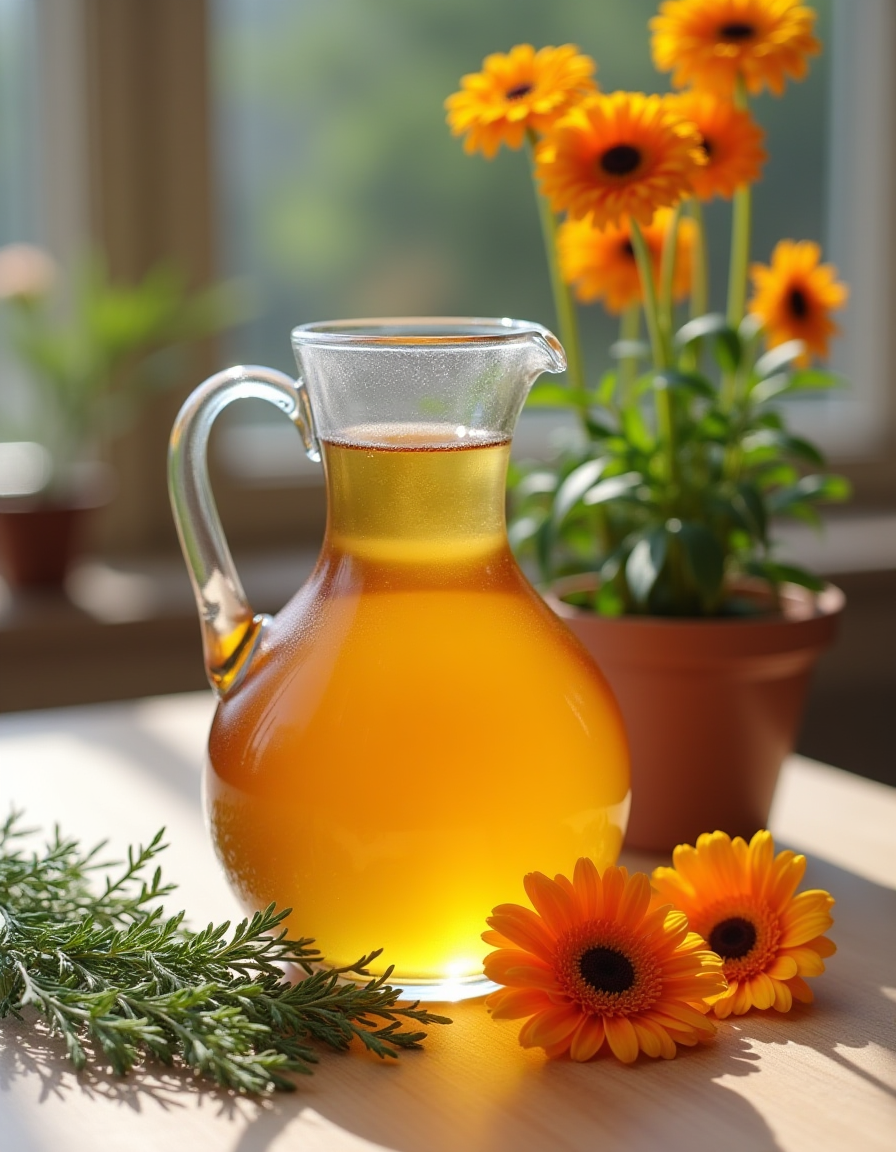
Calendula tea, made from the bright orange and yellow petals of the Calendula officinalis plant, is one of the most gentle yet effective herbal remedies for internal and external healing. Often called “pot marigold” (though not to be confused with common garden marigolds), calendula has been used for centuries in traditional medicine systems across Europe, India, and the Middle East. Its primary reputation is as a skin healer, but drinking calendula tea offers powerful internal benefits as well – soothing digestive inflammation, supporting lymphatic drainage, reducing oxidative stress, and gently promoting healing throughout the body. Unlike many herbs that target a single system, calendula is a broad-spectrum remedy that supports the body’s natural healing processes. Its mild, slightly sweet, and pleasantly earthy flavour makes it an accessible and enjoyable tea for daily use.
f you’d like to try Calendula tea for yourself, we’ve curated a selection of high-quality, tested sources below. Every product we recommend has been chosen for purity and potency, or visit our online Herbal Tea Shop for even more choice.
Looking for a specific herbal tea? Browse the full A–Z list here:
Herbal Teas A-Z List
Get the Free Herbal Tea Shop Cheat Sheet
What calendula tea is and how it works
Calendula (Calendula officinalis) is a flowering plant in the daisy family (Asteraceae), native to southern Europe but now grown worldwide. The dried petals of the flower are used to make tea, infused oils, salves, and tinctures. The name “calendula” comes from the Latin calendae, meaning “little calendar” or “little clock,” referring to the plant’s long flowering season – it can bloom almost year-round in mild climates.
The primary active compounds in calendula include flavonoids (such as quercetin and rutin), triterpenoids (including faradiol and calendulosides), carotenoids (which give the flowers their vibrant colour), and polysaccharides. These compounds work through several mechanisms: anti-inflammatory effects (reducing inflammation throughout the body), antioxidant activity (neutralising free radicals), lymphatic stimulation (supporting the body’s waste removal system), wound healing (promoting tissue regeneration), antimicrobial properties (inhibiting certain bacteria and fungi), and mucilage content (soothing irritated mucous membranes). When prepared as a tea, these compounds are extracted into the water, providing a gentle but effective way to support healing from within.
Unlike stronger herbs that work through potent pharmacological pathways, calendula is considered a vulnerary – a herb that promotes wound healing and tissue repair. Its effects are supportive and cumulative rather than acute and dramatic.
Key health benefits of calendula tea
Digestive soothing is one of the most valued internal uses of calendula tea. The mucilage content coats and soothes irritated digestive tissues, making it helpful for gastritis, peptic ulcers, and inflammatory bowel conditions. Calendula also has mild anti-inflammatory effects that can reduce discomfort associated with indigestion. Unlike peppermint, which can worsen acid reflux, calendula is gentle enough for most people with sensitive digestive systems. It is particularly useful for individuals who experience digestive discomfort that is chronic rather than acute.
Lymphatic support is a unique and important benefit of calendula tea. The lymphatic system is responsible for removing waste products, toxins, and cellular debris from the body. When lymphatic flow is sluggish, it can contribute to swelling, congestion, and a feeling of heaviness. Calendula is a traditional lymphatic tonic, helping to stimulate lymphatic drainage and support the body’s natural detoxification processes. This makes it particularly useful for individuals with swollen lymph nodes, chronic congestion, or oedema.
Inflammatory skin conditions can be supported from within by drinking calendula tea. While calendula is perhaps best known as a topical remedy for wounds, rashes, and eczema, drinking the tea addresses inflammation at its source. The anti-inflammatory compounds enter the bloodstream and can help calm systemic inflammation that manifests in the skin. For individuals with chronic skin conditions such as eczema, psoriasis, or acne, regular calendula tea may help reduce flare-ups and support overall skin health.
Oral health benefits from calendula tea’s antimicrobial and anti-inflammatory properties. Gargling with cooled calendula tea can help soothe sore throats, reduce gum inflammation, and support healing after dental procedures. The mild antimicrobial activity may also help reduce harmful oral bacteria.
Menstrual support is a traditional use of calendula tea. Its anti-inflammatory and antispasmodic properties may help reduce menstrual cramping and discomfort. Additionally, its lymphatic support can help reduce the bloating and water retention that many women experience before and during menstruation.
Wound healing is supported systemically by calendula tea. The same compounds that promote tissue regeneration when applied topically also work from within. For individuals recovering from surgery, injury, or chronic wounds, drinking calendula tea may support the body’s natural healing processes.
Antioxidant protection helps protect cells from oxidative damage caused by free radicals. The flavonoids and carotenoids in calendula are powerful antioxidants that support overall health and may reduce the risk of chronic diseases associated with ageing.
Immune support is another benefit of calendula tea. Its antimicrobial and anti-inflammatory properties may help the body resist and recover from infections. It is often used as a supportive remedy during colds, flu, and other respiratory infections.
How to prepare calendula tea
Calendula tea is easy to prepare and has a mild, pleasant flavour. From dried petals: Use one to two teaspoons of dried calendula petals per cup of water. Pour freshly boiled water over the petals and steep for 5–10 minutes. Longer steeping produces a stronger, more golden-coloured infusion. Strain well: Strain the tea through a fine mesh strainer or tea infuser to remove the petals before drinking. Blending: Calendula blends beautifully with other gentle herbs such as chamomile, lemon balm, peppermint, or fennel. It can also be combined with more potent anti-inflammatory herbs like turmeric or ginger. Flavour: Calendula tea has a mild, slightly sweet, earthy, and pleasantly floral flavour. It is not bitter or astringent, making it enjoyable on its own without sweeteners.
How to use calendula tea safely
Calendula tea is generally safe for most people when consumed in moderate amounts—one to three cups daily. However, several precautions apply.
Pregnancy and breastfeeding: Calendula has traditional use as an emmenagogue (a substance that stimulates menstrual flow) and may have uterine-stimulating effects. While culinary amounts in tea are generally considered safe, medicinal doses should be avoided during pregnancy, particularly in the first trimester. Breastfeeding women should consult a healthcare provider before regular use.
Allergies: Calendula is in the Asteraceae (daisy) family, which includes ragweed, chrysanthemums, marigolds, and echinacea. Individuals with known allergies to plants in this family may experience allergic reactions to calendula, ranging from mild skin irritation to more severe symptoms. If you have ragweed allergy, start with a small amount to test your sensitivity.
Sedatives and blood pressure medications: Calendula may have mild sedative effects and may lower blood pressure in some individuals. If you take sedatives or antihypertensive medications, consult your healthcare provider before regular use.
Surgery: Calendula may affect blood pressure and interact with anaesthesia. It is generally recommended to discontinue use at least two weeks before scheduled surgery.
Topical use caution: While not relevant to tea, it is worth noting that calendula should not be applied to open wounds without medical supervision, as it can sometimes trap bacteria inside.
Recommended dosage
For general wellness and digestive support, one to two cups of calendula tea daily is sufficient. For more targeted support – such as reducing skin inflammation, supporting lymphatic drainage, or aiding recovery from illness – two to three cups daily may be consumed. Because calendula is very gentle, it is safe for long-term daily use. Benefits typically accumulate over time rather than appearing acutely.
Limitations of calendula tea
Calendula tea is not a substitute for medical treatment, particularly for serious conditions such as cancer, autoimmune diseases, or severe infections. Its effects are gentle and supportive rather than potent or curative. Claims that calendula “cures” cancer, eliminates toxins, or replaces conventional wound care are unsupported. It is best understood as a gentle, nourishing tonic that supports the body’s natural healing processes.
FAQ
What is calendula tea good for?
Calendula tea is primarily used to soothe digestive inflammation, support lymphatic drainage, calm inflammatory skin conditions, and promote wound healing. It is a gentle, versatile remedy for chronic inflammatory conditions.
Is calendula tea safe to drink every day?
Yes, calendula tea is very gentle and safe for daily use for most healthy adults. It is often consumed as a long-term tonic rather than an acute remedy.
Can calendula tea help with acne?
Calendula tea may help with acne by reducing systemic inflammation and supporting lymphatic drainage. Drinking the tea addresses internal factors that contribute to acne, while cooled tea can also be used as a gentle facial rinse.
Does calendula tea have side effects?
Calendula tea is generally very well tolerated. The most common side effect is allergic reaction in individuals sensitive to plants in the Asteraceae family. Pregnant women should avoid medicinal doses.
What does calendula tea taste like?
Calendula tea has a mild, slightly sweet, earthy, and pleasantly floral flavour. It is not bitter or astringent, making it enjoyable on its own or blended with other herbs.
Conclusion
Calendula tea offers a gentle, accessible way to support the body’s natural healing processes. Its ability to soothe digestive inflammation, support lymphatic drainage, calm inflammatory skin conditions, and promote wound healing makes it a valuable addition to any wellness routine. Unlike stronger herbs that target specific symptoms with potent pharmacological effects, calendula works broadly and gently, nourishing the body’s own healing capacities. Used consistently as part of a daily routine, calendula tea can help you feel more balanced, less inflamed, and better supported from within.
Recommended Products
If you’d like to try these teas for yourself, we’ve curated a selection of high-quality, tested sources below. Every product we recommend has been chosen for purity and potency, or visit our online Herbal Tea Shop for even more choice.
Calendula tea (loose leaf): https://amzn.to/3QbtyNO
Chamomile tea (loose leaf): https://amzn.to/3Pv6zgo
Lemon balm tea (loose leaf): https://amzn.to/4bA4NlH
Peppermint tea (loose leaf): https://amzn.to/4lIQSyi
Manuka Honey: https://amzn.to/47p7i9g
High-quality Garlic press: https://amzn.to/4sFBsxD
Tea infuser: https://amzn.to/4lAToGE
Glass teapot: https://amzn.to/4snGsGY
Storage boxes: https://amzn.to/47UQgQf
Assortment Box: https://amzn.to/3NFO9ZJ
Visit our online Herbal Tea Shop for more choice!
Do you read novels? Visit our bookshop to check out the ‘culturally grounded, Otherworldly narratives’ by Owen Jones.
Looking for a specific herbal tea? Browse the full A–Z list here:
Herbal Teas A-Z List
Get the Free Herbal Tea Shop Cheat Sheet
Further Reading
For a full evidence-based overview of herbal tea benefits, safety, and quality considerations, read our complete guide to Herbal Tea Benefits
1] For more on digestive support, see:
Herbal Teas to Aid Digestion
2] For skin health support, see:
Best Teas for Skin Health
3] For anti-inflammatory support, see:
Herbal Tea for Inflammation
4] For safety guidance on herbal teas, see:
Are Herbal Teas Safe?
Visit our bookshop to check out the ‘culturally grounded, Otherworldly narratives’ by Owen Jones.
References
1] National Center for Complementary and Integrative Health (NCCIH) – Calendula
Provides evidence-based information on calendula safety and research.
2] European Medicines Agency – Calendula
Offers regulatory and safety assessments for calendula preparations.
3] Mount Sinai – Calendula
Provides traditional and clinical information on calendula uses.
4] Cleveland Clinic – Natural Remedies for Inflammation
Provides practical guidance on using herbs like calendula for inflammatory conditions.
Looking for a specific herbal tea? Browse the full A–Z list here:
Herbal Teas A-Z List
Get the Free Herbal Tea Shop Cheat Sheet