

Understanding hydration and herbal tea
The question: Does herbal tea dehydrate you? is a common concern, particularly among those who rely on herbal infusions as their primary source of fluids. The short answer is that most herbal teas are hydrating rather than dehydrating. Unlike caffeinated beverages such as coffee or black tea, which have mild diuretic effects, the majority of herbal tisanes contribute positively to daily fluid intake. However, there are exceptions. Certain herbs have diuretic properties that can increase urine output, and in very large quantities, these may contribute to fluid loss. Understanding which herbs affect hydration and how to consume them appropriately allows you to enjoy herbal tea without worrying about whether herbal tea can dehydrate you.
Click the link for more details, specific and general, on the safety of herbal tea.
How herbal teas affect fluid balance
The body maintains fluid balance through a complex system involving hydration intake and output. A beverage is considered hydrating when it contributes net fluid to the body. Most herbal teas are composed almost entirely of water, with minimal compounds that would offset this hydration benefit. Unlike alcohol or highly caffeinated drinks, which can have net dehydrating effects, herbal teas typically provide hydration comparable to water. Most herbal teas cannot dehydrate you under normal circumstances.
The exception occurs with herbs that have significant diuretic properties – substances that increase urine production. Even then, the diuretic effect is usually mild and does not outweigh the fluid volume consumed unless intake is excessive. In other words, drinking herbal tea is not likely to significantly dehydrate you.
Does herbal tea dehydrate you?
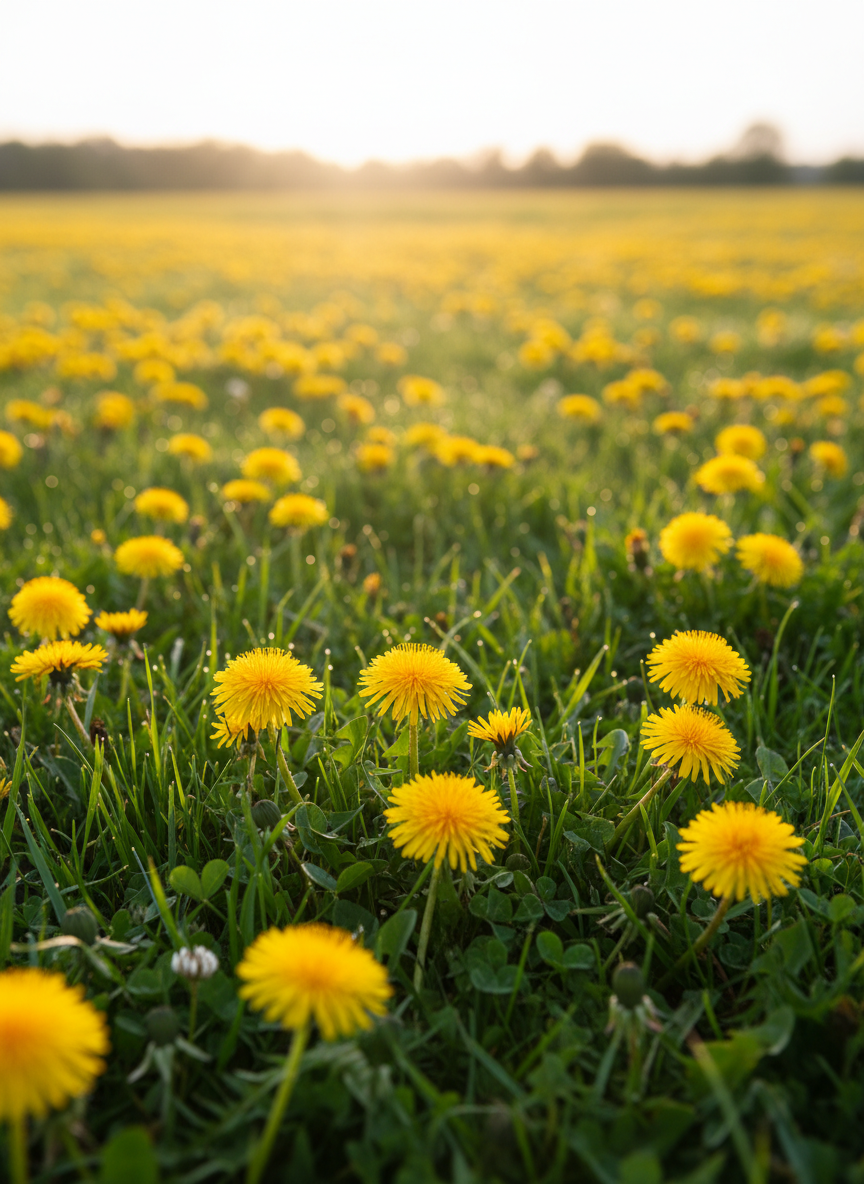
Dandelion tea is one of the most well-known diuretic herbs. Both the leaf and root have been traditionally used to promote urine production and reduce water retention. While this effect can be beneficial for some, drinking very large quantities without adequate water intake could theoretically contribute to fluid imbalance.
Hibiscus tea has mild diuretic properties and has been studied for its effects on fluid balance and blood pressure. Moderate consumption is generally hydrating, but excessive intake may increase urine output.
Nettle tea is traditionally used as a gentle diuretic and support for urinary tract health. Its diuretic effect is mild and not typically dehydrating when consumed in normal amounts.
Parsley tea has more potent diuretic properties and is sometimes used to manage mild fluid retention. Because of its stronger effect, it should be consumed in moderation.
Green tea and black tea (true teas from Camellia sinensis) contain caffeine, which has diuretic properties. While the hydrating effect of the water content usually outweighs the mild diuretic effect, very strong or excessive consumption may have a net dehydrating effect in sensitive individuals.
Herbal teas that are hydrating
The vast majority of herbal teas are hydrating and contribute positively to daily fluid needs:
Chamomile tea is gentle, calming, and fully hydrating with no significant diuretic effect.
Peppermint tea provides hydration while supporting digestion, with no dehydrating properties.
Rooibos tea is naturally caffeine-free and hydrating, making it an excellent choice for maintaining fluid balance.
Ginger tea supports circulation and digestion while contributing to hydration.
Lemon balm tea is hydrating and calming without diuretic effects.
Fennel tea supports digestion and provides hydration.
Factors that make a herbal tea dehydrate you
Several factors determine whether a particular herbal tea might contribute to dehydration. Quantity is the most important consideration—one or two cups of diuretic herbs like dandelion or hibiscus are unlikely to cause dehydration, but excessive consumption might. Concentration matters; very strong brews extract higher levels of active compounds. Overall fluid intake is critical—if herbal tea is your only fluid source and you are consuming strongly diuretic varieties in large amounts, you may not be meeting your hydration needs. Individual factors such as activity level, climate, and personal health conditions also affect fluid requirements. Pregnant women, older adults, and those with certain medical conditions may have different hydration needs.
How to drink herbal tea without the risk it will dehydrate you
To ensure herbal tea supports rather than hinders hydration, follow these simple guidelines. Moderate intake of diuretic herbs – one to three cups daily of dandelion, hibiscus, or nettle is generally safe for most people. Balance with water – use herbal tea as part of your fluid intake rather than the sole source. Vary your teas – rotate between hydrating varieties like chamomile and rooibos and those with mild diuretic effects. Monitor your body – if you notice increased thirst, dark urine, or signs of dehydration, adjust your intake. Avoid excessive strength – brew teas according to standard recommendations rather than using excessive amounts of herbs.
Limitations of this information
This information on can a herbal tea dehydrate you is not a substitute for medical advice. Dehydration can be serious and may result from many factors beyond tea consumption, including illness, heat exposure, and medication side effects. Individuals with kidney conditions, heart failure, or those taking diuretic medications should consult their healthcare provider before regularly consuming diuretic herbal teas. Pregnant and breastfeeding women should also seek professional guidance on whether a herbal tea may dehydrate the drinker.
FAQ
Can peppermint tea dehydrate you?
No. Peppermint tea is hydrating and does not have significant diuretic properties.
Can dandelion tea dehydrate you?
Dandelion tea has mild diuretic effects, but moderate consumption is generally hydrating. Very large amounts without adequate water intake may contribute to fluid loss.
Does rooibos tea count as water intake?
Yes. Rooibos tea is caffeine-free and hydrating, contributing positively to daily fluid requirements.
How much herbal tea is too much for hydration?
This varies by herb. For most hydrating herbal teas, up to four or five cups daily is fine. For diuretic herbs like dandelion or hibiscus, limiting consumption to two or three cups and drinking water alongside it is sensible.
Conclusion
The concern that herbal tea might dehydrate you is largely unfounded for most common varieties. Chamomile, peppermint, rooibos, ginger, and lemon balm are all hydrating and contribute positively to fluid balance. Even herbs with mild diuretic properties – such as dandelion, hibiscus, and nettle – are unlikely to cause dehydration when consumed in moderation as part of a varied fluid intake. By balancing herbal tea with plain water, brewing at standard strengths, and paying attention to your body’s signals, you can enjoy the benefits of herbal tea without worrying about whether it will dehydrate you.
Further Reading
For a full evidence-based overview of herbal tea benefits, safety, and quality considerations, read our complete guide to Herbal Tea Benefits:
https://meganpublishingservices.com/herbal-tea-benefits/
1] To understand how herbal teas affect the body more broadly, see How Herbal Tea Affects the Body:
https://meganpublishingservices.com/herbal-tea-benefits/how-herbal-tea-affects-the-body/
2] For more on caffeine considerations, see Herbal Tea vs True Tea:
https://meganpublishingservices.com/herbal-tea-benefits/herbal-tea-vs-true-tea/
3] If you are taking medication, review Herbal Tea and Medication for potential interactions:
https://meganpublishingservices.com/herbal-tea-benefits/herbal-tea-and-medication/
Visit our bookshop to check out the ‘culturally grounded, Otherworldly narratives’ by Owen Jones.
Recommended Products
If you’d like to try this tea yourself, using a good-quality source that delivers worldwide makes a real difference.
Chamomile tea (loose leaf): https://amzn.to/3Pv6zgo
Chamomile tea bags: https://amzn.to/4bCq3XM
Peppermint tea (loose leaf): https://amzn.to/4lIQSyi
Peppermint tea bags: https://amzn.to/3NMIelO
Rooibos tea (loose leaf): https://amzn.to/4sAltAK
Rooibos tea bags: https://amzn.to/4bJInyd
Ginger tea (loose leaf): https://amzn.to/3PmSWQw
Ginger tea bags: https://amzn.to/4szy0Ve
Dandelion tea (loose leaf): https://amzn.to/4bFTPep
Dandelion tea bags: https://amzn.to/4dA1Vrp
Hibiscus tea (loose leaf): https://amzn.to/4bzVBOd
Hibiscus tea bags: https://amzn.to/40IUXZB
Nettle tea (loose leaf): https://amzn.to/4bHUsnA
Nettle tea bags: https://amzn.to/47gzNWs
Tea infuser: https://amzn.to/4lAToGE
Glass teapot: https://amzn.to/4snGsGY
Storage boxes: https://amzn.to/47UQgQf
Assortment Box: https://amzn.to/3NFO9ZJ
References
1] National Health Service (NHS) – Water, Drinks and Hydration: https://www.nhs.uk/live-well/eat-well/food-guidelines-and-food-labels/water-drinks-nutrition/
Provides official guidance on daily fluid requirements and hydrating beverages.
2] Cleveland Clinic – Hydration: Why It’s So Important: https://health.clevelandclinic.org/why-hydration-is-so-important/
Explains the role of hydration in overall health and which beverages support it.
3] National Center for Complementary and Integrative Health (NCCIH) – Herbal Medicine: https://www.nccih.nih.gov/health/herbalmedicine
Offers evidence-based safety information on herbal products including diuretic herbs.