


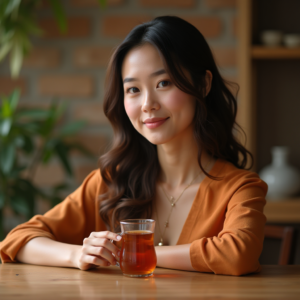
Understanding Collagen and Herbal Tea
The relationship between collagen and herbal tea is often misunderstood. Collagen is a structural protein that gives skin its firmness and elasticity, while herbal tea is a plant-based infusion that does not contain collagen itself. However, the connection between collagen and herbal tea lies in how certain herbs may support the body’s natural collagen production rather than supplying it directly.
This distinction is important. Drinking herbal tea will not add collagen to the skin in the same way as consuming collagen-rich foods or supplements, but it may help create conditions that support healthier skin over time.
How Collagen Production Works
To understand collagen and herbal tea properly, it helps to know how the body produces collagen. Collagen synthesis depends on nutrients such as vitamin C, amino acids, and antioxidants. As people age, collagen production slows, leading to wrinkles and reduced skin elasticity.
Herbal teas can contribute indirectly by supplying antioxidants and plant compounds that protect existing collagen from breakdown. This protective rôle is where collagen and herbal tea begin to overlap in a meaningful way.
Herbal Teas That May Support Collagen
Several herbal teas are commonly linked to collagen and herbal tea discussions because of their nutrient profiles. Hibiscus tea is rich in vitamin C, which is essential for collagen synthesis. Rooibos contains antioxidants that may help reduce oxidative stress, while green tea is known for compounds that may protect skin cells.
These teas do not contain collagen, but they may help the body maintain its own collagen more effectively. This is why collagen and herbal tea are often mentioned together in skincare and wellness contexts.
For related insights, see Best Teas for Skin Health and Hibiscus as the “Botox Plant”.
Antioxidants and Collagen Protection
One of the strongest links between collagen and herbal tea is antioxidant activity. Free radicals can damage collagen fibres, accelerating visible ageing. Herbal teas rich in antioxidants may help neutralise these free radicals, reducing the rate of collagen degradation.
Green tea, in particular, has been studied for its polyphenols, which may support skin resilience. By protecting existing collagen, herbal tea may help maintain skin structure and appearance over time.
Hydration and Skin Elasticity
Hydration plays a significant rôle in skin health, and collagen and herbal tea are indirectly connected through this mechanism. Well-hydrated skin appears fuller and more elastic, which can reduce the appearance of fine lines.
Drinking herbal tea regularly contributes to daily fluid intake, supporting overall hydration. While this does not increase collagen levels directly, it enhances the skin’s appearance and complements the body’s natural collagen processes.
Limitations of Collagen and Herbal Tea Claims
It is important to keep expectations realistic when discussing collagen and herbal tea. Herbal teas do not contain collagen, and they cannot replace targeted nutrition or medical treatments designed to increase collagen levels.
Claims that herbal tea can dramatically boost collagen should be treated with caution. The benefits are supportive rather than transformative, working gradually and in combination with a balanced diet and healthy lifestyle.
How to Use Herbal Tea for Skin Support
If you are exploring collagen and herbal tea for skin health, consistency is key. Drinking two to three cups of herbal tea daily may provide a steady intake of beneficial compounds. Choosing teas rich in vitamin C or antioxidants can enhance potential benefits.
Preparation also matters. Using high-quality loose herbs and avoiding overly strong brews helps maintain a balanced intake without unnecessary irritation or bitterness.
For safety guidance, see Are Herbal Teas Safe?.
Frequently Asked Questions
Does collagen and herbal tea mean tea contains collagen?
No. Herbal tea does not contain collagen but may support the body’s natural production.
Which tea is best for collagen support?
Hibiscus, green tea, and rooibos are often associated with collagen and herbal tea due to their nutrient content.
How long does it take to see results?
Any effects are gradual and depend on consistent use and overall health.
Conclusion
The connection between collagen and herbal tea is indirect but meaningful. While herbal tea does not provide collagen, it may support the body’s ability to maintain and protect it through antioxidants, hydration, and key nutrients. Understanding collagen and herbal tea in this way helps set realistic expectations while still recognising potential long-term benefits.
Further Reading: For a clear explanation of how collagen functions in the body and affects skin health, the NHS provides practical medical guidance: https://www.nhs.uk/conditions/
Further Reading: For dermatologist-reviewed information on skin ageing and collagen loss, the American Academy of Dermatology offers reliable resources for the public: https://www.aad.org/publicFor dermatologist-reviewed information on skin ageing and collagen loss, the American Academy of Dermatology offers reliable resources for the public: https://www.aad.org/public
Other Articles in This Series
If you are exploring how herbal teas support skin and overall health, Best Teas for Skin Health provides a broader overview of teas that promote hydration and antioxidant intake: https://meganpublishingservices.com/herbal-tea-benefits/best-teas-for-skin-health/
Hibiscus as the “Botox Plant” examines claims about natural skin-firming effects and how hibiscus may support appearance over time: https://meganpublishingservices.com/herbal-tea-benefits/hibiscus-as-the-botox-plant/
Are Herbal Teas Safe? explains how to use herbal teas responsibly, including potential interactions and safe daily consumption: https://meganpublishingservices.com/herbal-tea-benefits/are-herbal-teas-safe/
Further Reading
For a full evidence-based overview of herbal tea benefits, safety, and quality considerations, read our complete guide to Herbal Tea Benefits.
Visit our bookshop to peruse novels by Owen Jones.