

Fact or Fiction?
The idea of hibiscus as the “botox plant” is widely circulated in beauty and wellness circles, but it needs careful interpretation. The phrase does not mean hibiscus works like cosmetic Botox injections, which temporarily paralyse facial muscles. Instead, hibiscus is sometimes called the “botox plant” because of its natural compounds that may help the skin appear smoother, firmer, and more hydrated. In that sense, the claim is partly fact and partly exaggeration.
If you just want the Hibiscus Tea, click here: Hibiscus Tea
Why Hibiscus Is Linked to Skin Firmness
Considering hibiscus as the “botox plant” is based on its content of antioxidants and plant acids, particularly alpha hydroxy acids (AHAs). These compounds may help remove dead skin cells and promote a fresher surface layer. The result can be skin that looks brighter and more even in tone.
In addition, hibiscus contains compounds that may support collagen stability. Collagen is essential for maintaining skin elasticity, and its gradual decline is associated with wrinkles and sagging. While hibiscus cannot replace medical treatments, its properties help explain why it is described as the “botox plant” in natural skincare discussions.
Can Drinking Hibiscus Tea Improve Skin?
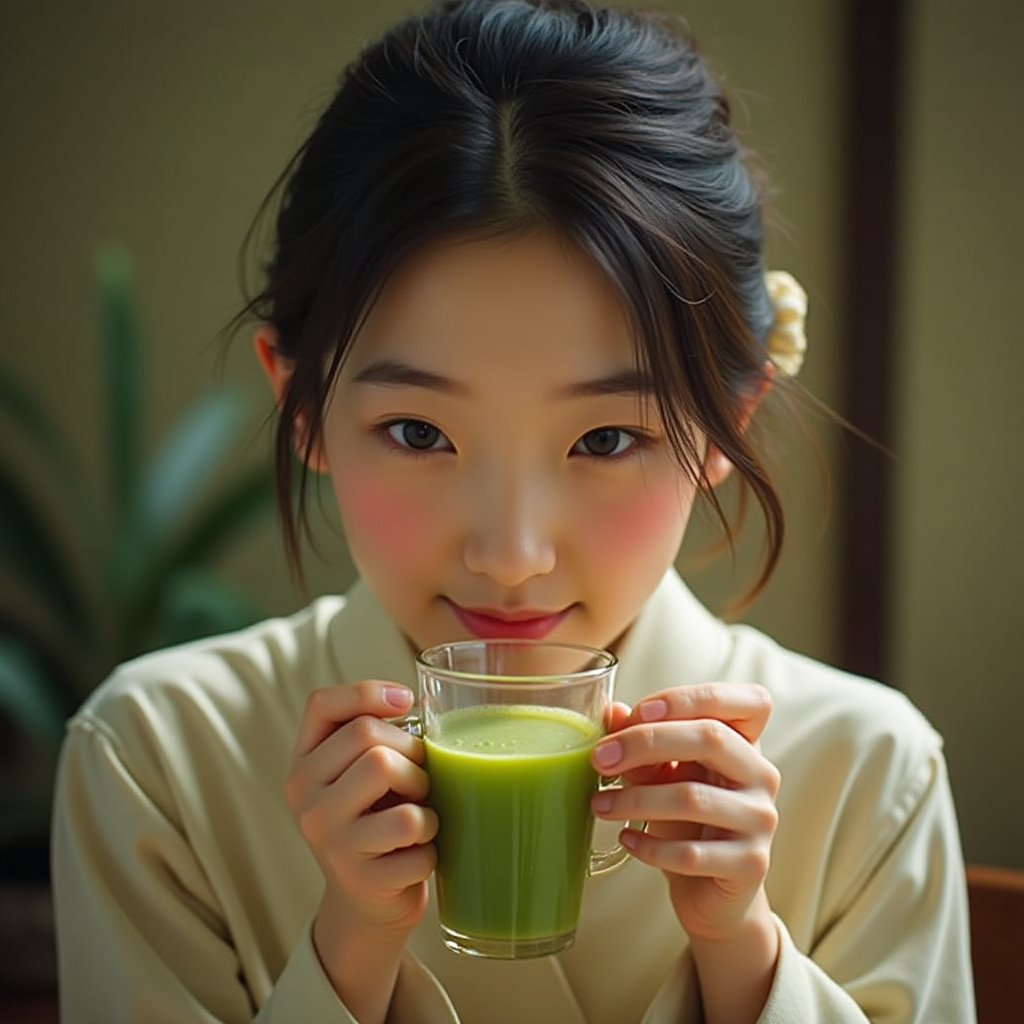
Using hibiscus as the “botox plant” is not limited to topical applications. Drinking hibiscus tea may support skin health from within by providing hydration and antioxidants. These compounds can help reduce oxidative stress, which contributes to premature ageing.
Regular consumption of hibiscus as the “botox plant”, may also support circulation, helping deliver nutrients to the skin more efficiently. While this does not create instant or dramatic changes, consistent use may contribute to a healthier complexion over time. This internal support is a key reason hibiscus is often included among the best teas for skin health.
Limitations of the “Botox Plant” Claim
It is important to understand the limits of hibiscus as the “botox plant”. Unlike Botox, hibiscus does not affect muscle activity or produce immediate wrinkle reduction. Its effects are gradual and depend on overall health, diet, and consistency of use.
Overstating the benefits can lead to unrealistic expectations. Hibiscus may support skin quality, but it does not replicate clinical procedures. The term “botox plant” should therefore be seen as a metaphor rather than a literal claim.
How to Use Hibiscus for Skin Support
If you want to explore hibiscus as the “botox plant”, it can be used both as a tea and as part of a broader skincare routine. Drinking one to two cups of hibiscus tea daily may provide antioxidant support, while topical products containing hibiscus extracts may offer mild exfoliation benefits.
As with all herbal approaches, consistency matters more than intensity. Moderate, regular use is more likely to produce visible improvements than occasional use.
If you just want the Hibiscus Tea, click here: Hibiscus Tea
For related internal benefits, see Best Teas for Skin Health and Does Hibiscus Tea Lower Blood Pressure.
What to Watch Out For
Hibiscus tea is generally safe for most people, but it may interact with certain medications or affect blood pressure. Individuals who are pregnant or taking medication should seek professional advice before using it regularly.
Strong preparations may also be too acidic for some people, potentially causing mild digestive discomfort. Choosing moderate strength and monitoring your response is advisable.
For safety guidance, see Are Herbal Teas Safe?.
Frequently Asked Questions
Is hibiscus really a natural alternative to Botox?
Hibiscus as the “botox plant” is a comparison based on appearance, not function. It does not replicate medical treatments.
How long does hibiscus take to affect the skin?
Any benefits are gradual and depend on consistent use and overall health.
Can hibiscus tea replace skincare products?
No. It may support skin health internally, but it works best alongside a balanced skincare routine.
Conclusion
Hibiscus as the “botox plant” is best understood as a descriptive nickname rather than a scientific claim. While hibiscus contains compounds that may support smoother, healthier-looking skin, it does not function like Botox. Used consistently, it may contribute to improved skin quality over time.
Further Reading
For a full evidence-based overview of herbal tea benefits, safety, and quality considerations, read our complete guide to Herbal Tea Benefits.
1] If you are interested in how herbal teas influence appearance and internal health, Does Hibiscus Tea Lower Blood Pressure explains cardiovascular support that may indirectly benefit skin tone.
2] Best Teas for Skin Health explores a wider range of herbal options that support hydration, antioxidant intake, and overall skin condition.
3] Are Herbal Teas Safe? provides essential guidance on safe use, interactions, and choosing appropriate herbal teas for regular consumption
4] For an overview of cosmetic treatments and how Botox works clinically, the NHS provides clear guidance.
5] For broader dermatology advice on ageing skin and care options, the American Academy of Dermatology offers reliable, dermatologist-reviewed information for the public: https://www.aad.org/public
Visit our bookshop to check out the ‘culturally grounded, Otherworldly narratives’ by Owen Jones.
Recommended Products
Hibiscus tea: Loose leaf: https://amzn.to/4bzVBOd
Hibiscus tea bags: https://amzn.to/40IUXZB
Manuka Honey: https://amzn.to/47p7i9g
High-quality Garlic press: https://amzn.to/4sFBsxD
Tea infuser: https://amzn.to/4lAToGE
Glass teapot: https://amzn.to/4snGsGY
Storage boxes: https://amzn.to/47UQgQf
Assortment Box: https://amzn.to/3NFO9ZJ
Looking for a specific herbal tea? Browse the full A–Z list here:
Herbal Teas A-Z List
Get the Free Herbal Tea Shop Cheat Sheet