
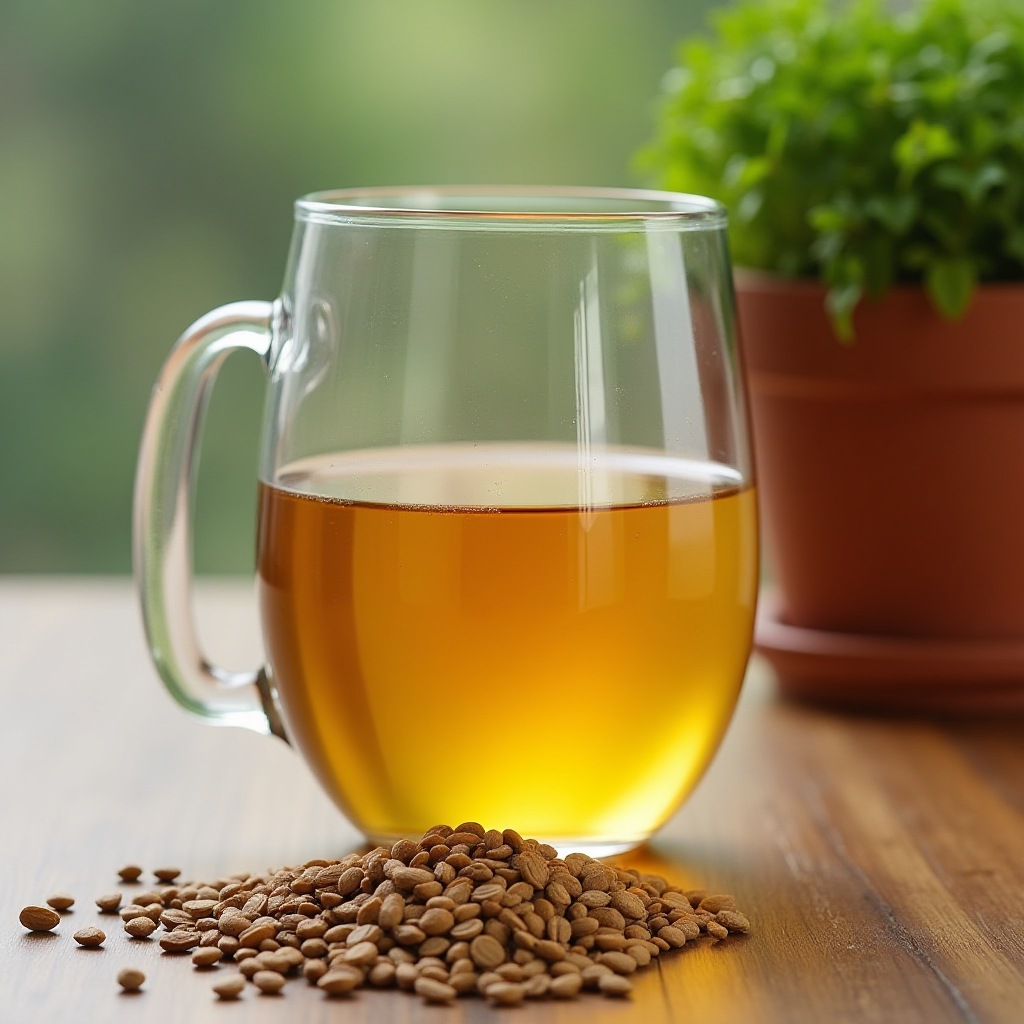

The maple-scented herb for digestion, appetite, and milk production
Fenugreek tea, made from the seeds of the Trigonella foenum-graecum plant, is a traditional herbal remedy with a long history of use across Mediterranean, Middle Eastern, Indian, and North African cultures. The name “fenugreek” comes from the Latin faenum graecum, meaning “Greek hay,” reflecting its historical use as animal fodder. But this humble seed is far more than animal feed. Fenugreek is a powerful medicinal herb valued for its ability to support digestion, stimulate appetite, promote breast milk production, help manage blood sugar, and reduce inflammation. Its distinctive maple-like aroma and slightly bitter, nutty flavour set it apart from other seeds. For breastfeeding mothers seeking to increase milk supply, for those managing blood sugar or appetite, or for anyone looking for a gentle digestive aid, fenugreek tea is an excellent choice.
If you’d like to try these teas for yourself, we’ve curated a selection of high-quality, tested sources below. Every product we recommend has been chosen for purity and potency, or visit our online Herbal Tea Shop for even more choice.
Click the link for a complete, evidence-based guide to the best herbal teas for digestion, including specific herbs and use cases.
Looking for a specific herbal tea? Browse the full A–Z list here:
Herbal Teas A-Z List
Get the Free Herbal Tea Shop Cheat Sheet
What fenugreek tea is and how it works
Fenugreek (Trigonella foenum-graecum) is an annual plant in the legume (Fabaceae) family, native to the Mediterranean region, Southern Europe, and Western Asia. The small, hard, yellowish-brown seeds are harvested and dried for culinary and medicinal use. Fenugreek has been used for thousands of years; it was found in the tomb of Tutankhamun and has been used in Ayurvedic and Traditional Chinese Medicine for centuries.
The primary active compounds in fenugreek seeds include steroidal saponins (such as diosgenin and yamogenin), alkaloids (including trigonelline and choline), flavonoids (such as apigenin, luteolin, and quercetin), mucilage, volatile oils, and soluble fibre. These compounds work through several mechanisms: galactagogue effects (promoting breast milk production), blood sugar regulation (slowing carbohydrate absorption and improving insulin sensitivity), digestive support (soothing the digestive tract and reducing gas), appetite modulation (promoting feelings of fullness), anti-inflammatory effects (reducing inflammation throughout the body), and antioxidant activity (protecting cells from oxidative damage). When prepared as a tea, these compounds are extracted into the water, providing a gentle but effective way to support multiple body systems.
Fenugreek is perhaps best known for its ability to increase breast milk production in nursing mothers, a use supported by both traditional practice and some clinical research.
Key health benefits of fenugreek tea
Breast milk production (galactagogue) is the most well-known benefit of fenugreek tea. Fenugreek has been used for centuries by nursing mothers to increase milk supply. The steroidal saponins, particularly diosgenin, are believed to stimulate the production of prolactin, the hormone responsible for milk production. Many breastfeeding mothers report increased milk volume within 24–72 hours of starting fenugreek. For nursing mothers struggling with low supply, fenugreek tea is a gentle, natural option. (Always consult a lactation consultant or healthcare provider.)
Blood sugar regulation is another major benefit. The soluble fibre in fenugreek seeds helps slow the absorption of carbohydrates, preventing rapid spikes in blood glucose. The amino acid 4-hydroxyisoleucine may also improve insulin sensitivity. Studies have shown that fenugreek can reduce fasting blood sugar and improve glucose tolerance in people with type 2 diabetes and prediabetes. For those managing blood sugar, fenugreek tea can be a supportive addition to diet and medication.
Digestive support is a traditional use of fenugreek tea. The mucilage content helps soothe and coat the digestive tract, making it useful for gastritis, heartburn, and indigestion. Fenugreek also has mild laxative properties that can help relieve constipation. Its bitter compounds stimulate digestive secretions, improving nutrient breakdown.
Appetite suppression and weight management are lesser-known but valuable benefits. The soluble fibre in fenugreek expands in the stomach, promoting feelings of fullness and reducing hunger between meals. Some studies have shown that fenugreek can reduce calorie intake at subsequent meals. For those managing their weight, a cup of fenugreek tea before a meal can help with appetite control.
Anti-inflammatory effects help reduce systemic inflammation. Fenugreek contains compounds that inhibit inflammatory pathways, making it potentially useful for arthritis, muscle soreness, and general inflammation. The tea can be consumed internally or used externally as a compress. Arthritis and many other aches and pains due to inflammation tend to come with ageing.
Cholesterol management may be supported by fenugreek. Some studies suggest that fenugreek can lower LDL (“bad”) cholesterol and triglycerides while maintaining or improving HDL (“good”) cholesterol.
Menstrual cramp relief is a traditional use of fenugreek. Its antispasmodic and anti-inflammatory properties can help reduce the intensity of menstrual cramps. Fenugreek tea is often consumed during menstruation for this purpose.
Skin health can be supported from within. Fenugreek’s anti-inflammatory and antioxidant properties may help calm inflammatory skin conditions such as eczema and acne. Fenugreek tea can be drunk, and cooled tea can be applied topically as a compress.
If you’d like to try these teas for yourself, we’ve curated a selection of high-quality, tested sources below. Every product we recommend has been chosen for purity and potency.
How to prepare fenugreek tea
Fenugreek tea can be prepared from whole or crushed seeds or from tea bags.
From whole seeds: Use one to two teaspoons of fenugreek seeds per cup of water. Gently crush the seeds to release their active compounds. Pour freshly boiled water over the seeds and steep for 10–15 minutes. Longer steeping produces a stronger, more medicinal infusion.
Strain well: Strain the tea through a fine mesh strainer or tea infuser to remove the seeds before drinking.
From tea bags: Use one tea bag per cup. Steep for 5–10 minutes.
Flavour: Fenugreek tea has a distinctive, slightly sweet, maple-like, nutty, and earthy flavour with a hint of bitterness. The maple aroma is so pronounced that fenugreek is used to artificially flavour maple syrup.
Blending: Fenugreek blends well with other herbs. Classic combinations include fenugreek with fennel (for milk production and digestion), fenugreek with ginger (for digestive support), and fenugreek with cinnamon (for blood sugar support).
Sweetening: Honey or a cinnamon stick can help balance the bitterness.
How to use fenugreek tea safely
Fenugreek tea is generally safe for most people when consumed in moderate amounts—one to three cups daily. However, several precautions apply.
Pregnancy: Fenugreek is generally not recommended during pregnancy as it may stimulate uterine contractions and has been traditionally used to induce labour. Some studies suggest it may be safe in small culinary amounts, but medicinal doses should be avoided. Consult your healthcare provider.
Breastfeeding: Fenugreek is widely used by breastfeeding mothers to increase milk supply and is generally considered safe. However, some infants may be sensitive to fenugreek passed through breast milk, experiencing digestive upset. Start with a small amount and monitor your baby.
Blood thinners: Fenugreek may have mild blood-thinning properties. If you take warfarin, aspirin, or other anticoagulants, consult your healthcare provider before regular use.
Diabetes medications: Fenugreek may lower blood sugar. If you take diabetes medications or insulin, monitor your blood sugar closely when adding fenugreek to your routine. Your medication dosage may need adjustment.
Thyroid function: Fenugreek may affect thyroid function in some individuals. Those with thyroid conditions should consult a healthcare provider before regular use.
Allergies: Fenugreek is in the legume (Fabaceae) family, which includes peanuts, soybeans, chickpeas, and other beans. Individuals with known allergies to legumes may react to fenugreek.
Iron absorption: Fenugreek contains compounds that may inhibit iron absorption. Those with iron deficiency should drink fenugreek tea between meals rather than with iron-rich foods.
“Maple syrup urine” odour: Fenugreek contains a compound called sotolone, which is also found in maple syrup. Regular consumption can cause your urine, sweat, and breast milk to smell like maple syrup. This is harmless but can be surprising.
Children: Fenugreek tea is generally safe for children in small amounts for digestive upset. Use half the adult amount. Consult a healthcare provider for young children.
Recommended dosage
For breastfeeding support, two to three cups of fenugreek tea daily is typical. For blood sugar management, one to two cups daily before meals. For appetite suppression, one cup 30 minutes before meals. For digestive support, one cup after meals as needed. Fenugreek is safe for daily use, but benefits typically appear within a few days to weeks.
Limitations of fenugreek tea
Fenugreek tea is not a substitute for medical treatment, particularly for diabetes, thyroid disorders, or low milk supply caused by underlying medical conditions. Its effects are mild to moderate and work best as part of a broader approach. Claims that fenugreek “cures” diabetes or significantly increases milk supply for all women are unsupported; it is best understood as a supportive tool.
FAQ
Is fenugreek tea good for increasing breast milk?
Yes. Fenugreek has been used for centuries by nursing mothers to increase milk supply. Many women report increased milk volume within 24–72 hours of starting fenugreek.
Does fenugreek tea help with blood sugar?
Yes. Fenugreek contains soluble fibre and amino acids that help slow carbohydrate absorption and improve insulin sensitivity. Studies have shown it can reduce fasting blood sugar.
What does fenugreek tea taste like?
Fenugreek tea has a distinctive, slightly sweet, maple-like, nutty, and earthy flavour with a hint of bitterness. The maple aroma is very pronounced.
Is fenugreek tea safe during pregnancy?
Fenugreek is generally not recommended during pregnancy as it may stimulate uterine contractions. Consult your healthcare provider.
Why does fenugreek make my sweat smell like maple syrup?
Fenugreek contains sotolone, a compound also found in maple syrup. It is excreted through sweat, urine, and breast milk. This is harmless.
Conclusion
Fenugreek tea is a versatile, traditional herbal remedy with genuine benefits for breastfeeding mothers, blood sugar management, digestive health, and appetite control. Its ability to increase milk supply makes it invaluable for nursing mothers struggling with low production. Its blood sugar-stabilising effects support metabolic health. Its digestive-soothing properties relieve indigestion and gas. Its appetite-suppressing qualities aid weight management. The distinctive maple-like flavour and aroma are unique and memorable. Used appropriately and with awareness of its precautions, fenugreek tea is a valuable addition to the home medicine cabinet.
Recommended Products
If you’d like to try these teas for yourself, we’ve curated a selection of high-quality, tested sources below. Every product we recommend has been chosen for purity and potency, or visit our online Herbal Tea Shop for even more choice.
Fenugreek tea bags: https://amzn.to/4uP1jV8
Fennel tea (loose leaf): https://amzn.to/4ssAbtF (for blending)
Ginger tea (loose leaf): https://amzn.to/3PmSWQw (for blending)
Cinnamon tea (loose leaf): https://amzn.to/4lL23qa (for blending)
Manuka Honey: https://amzn.to/47p7i9g
High-quality Garlic press: https://amzn.to/4sFBsxD
Tea infuser: https://amzn.to/4lAToGE
Glass teapot: https://amzn.to/4snGsGY
Storage boxes: https://amzn.to/47UQgQf
Assortment Box: https://amzn.to/3NFO9ZJ
Visit our online Herbal Tea Shop for more choice!
Do you read novels? Visit our bookshop to check out the ‘culturally grounded, Otherworldly narratives’ by Owen Jones.
Looking for a specific herbal tea? Browse the full A–Z list here:
Herbal Teas A-Z List
Get the Free Herbal Tea Shop Cheat Sheet
Further Reading
For a full evidence-based overview of herbal tea benefits, safety, and quality considerations, read our complete guide to Herbal Tea Benefits
1] For more on weight management and appetite, see:
Herbal Teas for Suppressing Appetite
2] For blood sugar support, see:
Herbal Tea for Diabetes
3] For digestive health, see:
Herbal Teas to Aid Digestion
4] For safety guidance on herbal teas, see:
Are Herbal Teas Safe?
5] For potential interactions with medications, see:
Herbal Tea and Medication
References
1] National Center for Complementary and Integrative Health (NCCIH) – Fenugreek
Provides evidence-based information on fenugreek safety and research.
2] National Institutes of Health (NIH) – Fenugreek and Blood Sugar
Peer-reviewed study on fenugreek’s effects on glucose metabolism.
3] National Health Service (NHS) – Breastfeeding and diet
Provides medical guidance on breastfeeding and galactagogues.
4] Cleveland Clinic – Fenugreek Tea Benefits
Provides practical recommendations for fenugreek tea uses and benefits.