

What ginger tea is and why it is widely used
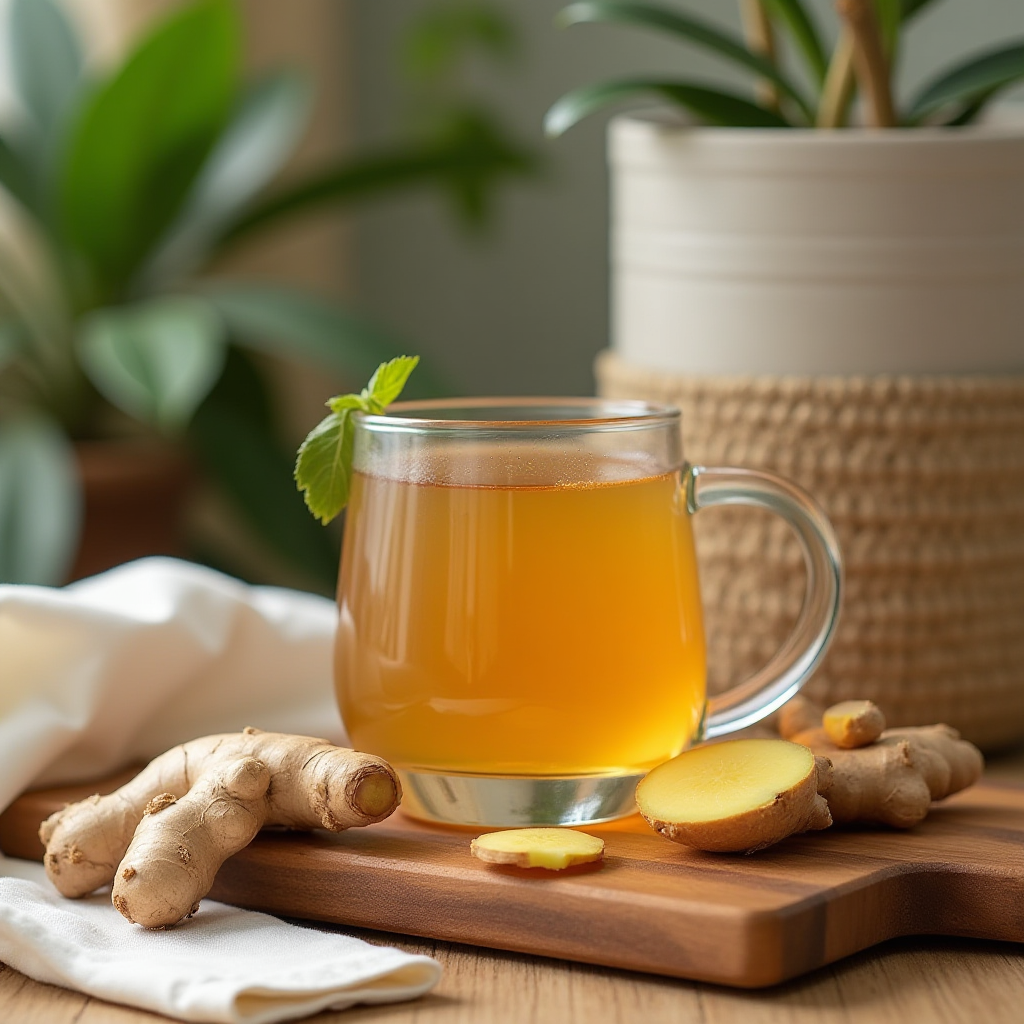
Ginger tea is a herbal infusion made from the root of the Zingiber officinale plant. It has been used in traditional systems for centuries, particularly in relation to digestion and general wellbeing. Ginger, in one form or another, is commonly consumed for its warming effect and its association with easing minor discomforts.
If you want to try Ginger tea for digestion, you can view current options here → Ginger Tea
Why ginger is linked to anti-inflammatory effects
Ginger is often described as anti-inflammatory because it contains compounds such as gingerols and shogaols. These are studied for their potential role in reducing inflammatory responses in the body. An infusion of ginger is therefore frequently included in routines aimed at supporting joint comfort and overall balance.
What the evidence says about ginger
Research into ginger and inflammation shows mixed but generally supportive findings. Some studies suggest ginger-derived compounds may help reduce markers associated with inflammation. However, ginger itself is less concentrated than extracts, so expectations should remain realistic. Ginger is best seen as supportive rather than a primary intervention.
Many people keep Ginger tea on hand for this – you can check available tea bags here
→ Ginger Tea
Ginger Root tea for joint and muscle comfort
A Ginger drink is commonly used by people experiencing mild joint or muscle discomfort. Its warming nature may contribute to a feeling of relief, particularly in colder conditions. Regular use of ginger may support comfort over time, although results vary between individuals.
Ginger and digestive inflammation
Ginger is widely used for digestive support, especially where irritation or bloating is present. It may help stimulate digestion and reduce feelings of nausea. For a broader context, you can explore herbal teas to aid digestion. A ginger infusion is often combined with other herbs to enhance its effect.
Is ginger overrated for inflammation?
A ginger infusion is sometimes overstated in terms of its anti-inflammatory impact. While it contains beneficial compounds, the concentration in a typical cup is modest. A ginger infusion should not be viewed as a replacement for medical treatment. It remains useful as part of a balanced lifestyle rather than a standalone solution.
Possible side effects of ginger
Ginger is generally well tolerated, but excessive intake may cause mild digestive irritation in some individuals. It may also interact with certain medications, particularly those affecting blood clotting like Warfarin. Reliable guidance can be found at https://www.nccih.nih.gov and https://www.nhs.uk.
Recommended intake of ginger tea
Ginger tea is typically consumed one to three times per day. Moderate, consistent use is preferable to excessive intake. Ginger drinks can be taken with meals or between them, depending on personal preference and tolerance.
How to prepare ginger tea properly
Ginger tea can be prepared using fresh slices of ginger root or dried pieces. Steep in hot water for five to ten minutes, depending on desired strength. A longer infusion produces a stronger, more pungent flavour.
Choosing high-quality ginger
The quality of the ginger tea depends on the freshness and processing of the root. Fresh ginger should be firm and aromatic, while dried products should be free from excess dust and properly stored. Good sourcing improves both flavour and consistency.
FAQ
Is it truly anti-inflammatory?
Ginger tea contains compounds associated with anti-inflammatory effects, but its impact is mild compared to concentrated extracts.
Can Ginger Tea help with joint pain?
It may support general comfort, but it is not a substitute for medical treatment.
Is Ginger tea safe to drink daily?
It is generally safe in moderate amounts for most people.
Can Ginger tea cause side effects?
It may cause mild irritation or interact with certain medications in some cases.
When should you use it?
Ginger is often consumed after meals or when digestive support is needed.
Conclusion
Ginger tea remains a widely used herbal infusion with a long-standing reputation for digestive and general wellbeing support. While ginger tea does contain compounds linked to anti-inflammatory effects, its impact in this form is modest. Used sensibly, ginger tea can be a useful addition to a balanced routine without unrealistic expectations.
Further Reading
For a full evidence-based overview of herbal tea benefits, safety, and quality considerations, read our complete guide to Herbal Tea Benefits
1] For more on respiratory infections that often cause fever, see:
Respiratory Inflammation
2] For immune support, see:
Herbal Tea for Inflammation
3] For sore throat often accompanying fever, see:
Can Herbal Tea Help with a Sore Throat?
4] For safety guidance on herbal teas, see:
Are Herbal Teas Safe?
5] For potential interactions with medications, see:
Herbal Tea and Medication
Visit our bookshop to check out the ‘culturally grounded, Otherworldly narratives’ by Owen Jones.
Recommended Products
Ginger (Loose Leaf): https://amzn.to/4bFWh4G
Ginger (Tea Bags): https://amzn.to/4szy0Ve
Manuka Honey: https://amzn.to/47p7i9g
High-quality Garlic press: https://amzn.to/4sFBsxD
Tea infuser: https://amzn.to/4lAToGE
Glass teapot: https://amzn.to/4snGsGY
Storage boxes: https://amzn.to/47UQgQf
Assortment Box: https://amzn.to/3NFO9ZJ
Looking for a specific herbal tea? Browse the full A–Z list here:
Herbal Teas A-Z List
Get the Free Herbal Tea Shop Cheat Sheet