

How herbal tea may support heart health by lowering high cholesterol
Herbal teais often explored as a gentle, supportive approach alongside diet and lifestyle changes to control high cholesterol . Certain herbs contain compounds such as polyphenols, flavonoids, and plant sterols, which may influence how the body processes fats. These compounds can help reduce the absorption of dietary cholesterol or support the liver in regulating lipid levels. While herbal tea is not a replacement for medical treatment, it can complement a heart-conscious routine. Regular consumption, combined with balanced nutrition and physical activity, may contribute to improved lipid profiles over time.
Best herbal teas linked to high cholesterol support
Several herbal teas are commonly associated with supporting high cholesterol management. Green tea is well known for its catechins, which may help lower LDL cholesterol. Hibiscus tea has been studied for its potential to reduce total cholesterol and triglycerides. Ginger tea may assist circulation and lipid metabolism, while dandelion tea is sometimes used to support liver function. These teas work in different ways, but all offer plant-based compounds that may contribute to cardiovascular health. Choosing a variety rather than relying on a single option may provide broader support.
How herbal tea works in the body for cholesterol balance
The mechanisms behind using herbal tea to counteract high cholesterol largely involve antioxidant and metabolic effects. Polyphenols can help reduce oxidative stress, which is linked to the formation of arterial plaque. Some herbs may also influence bile production, helping the body eliminate excess cholesterol more efficiently. Others may affect enzymes involved in fat metabolism, subtly shifting how lipids are processed. These effects are typically mild but cumulative, meaning consistent use is more relevant than occasional intake. Understanding this helps set realistic expectations about what herbal tea can and cannot achieve with regard to high cholesterol .
How to prepare and use herbal tea effectively
Preparing herbal tea is straightforward, but consistency matters more than technique. Use one teaspoon of dried herbs or one tea bag per cup of hot water, and allow it to steep for five to ten minutes. Drinking two to three cups daily is a common approach for general support against high cholesterol . It is best consumed without added sugar, as excess sugar can counteract cardiovascular benefits. Some people rotate different teas throughout the week to maintain variety. Establishing a simple daily routine is often more effective than sporadic use.
Who should be cautious when using herbal tea against high cholesterol?
Although anti high cholesterol herbal tea is generally considered safe, certain individuals should take care. People on cholesterol-lowering medication should consult a healthcare professional before adding herbal remedies, as interactions are possible. Those with liver conditions, pregnancy, or specific allergies should also be cautious with certain herbs. Some teas, such as dandelion, may have diuretic effects, which could be unsuitable for some individuals. Paying attention to how the body responds and starting with moderate intake is a sensible approach for most people.
FAQ
Can herbal tea really help with high cholesterol?
Herbal tea may support high cholesterol management, but its effects are usually modest. It works best as part of a broader approach that includes diet, exercise, and medical advice where needed.
Which tea is best for high cholesterol?
Green tea and hibiscus tea are often highlighted in the fight against high cholesterol due to their research-backed compounds. However, effectiveness can vary depending on the individual and overall lifestyle.
How long does it take to see results?
Changes in cholesterol levels typically take weeks or months. Herbal tea should be used consistently alongside other healthy habits for any noticeable effect in high cholesterol levels.
Is it safe to drink herbal tea every day?
For most people, daily consumption is safe when taken in moderate amounts. However, it is important to consider any existing conditions or medications for high cholesterol .
Can herbal tea replace cholesterol medication?
No, herbal tea should not replace prescribed medication for high cholesterol . It may be used as a complementary approach, but medical guidance remains essential.
Conclusion
Herbal tea offers a practical, low-effort way to support heart health, but it should be viewed as part of a wider strategy rather than a solution on its own to high cholesterol . Consistency, variety, and realistic expectations are key. When combined with a balanced diet and active lifestyle, herbal tea may contribute to gradual improvements in high cholesterol management over time.
Further Reading
For a full evidence-based overview of herbal tea benefits, safety, and quality considerations, read our complete guide to Herbal Tea Benefits.
1] Best Herbal Teas for Heart Health
2] Herbal Teas for Lowering Blood Pressure
3] How to Choose Quality Herbal Tea
4] Herbal Tea for Diabetes
Visit our bookshop to check out the ‘culturally grounded, Otherworldly narratives’ by Owen Jones.
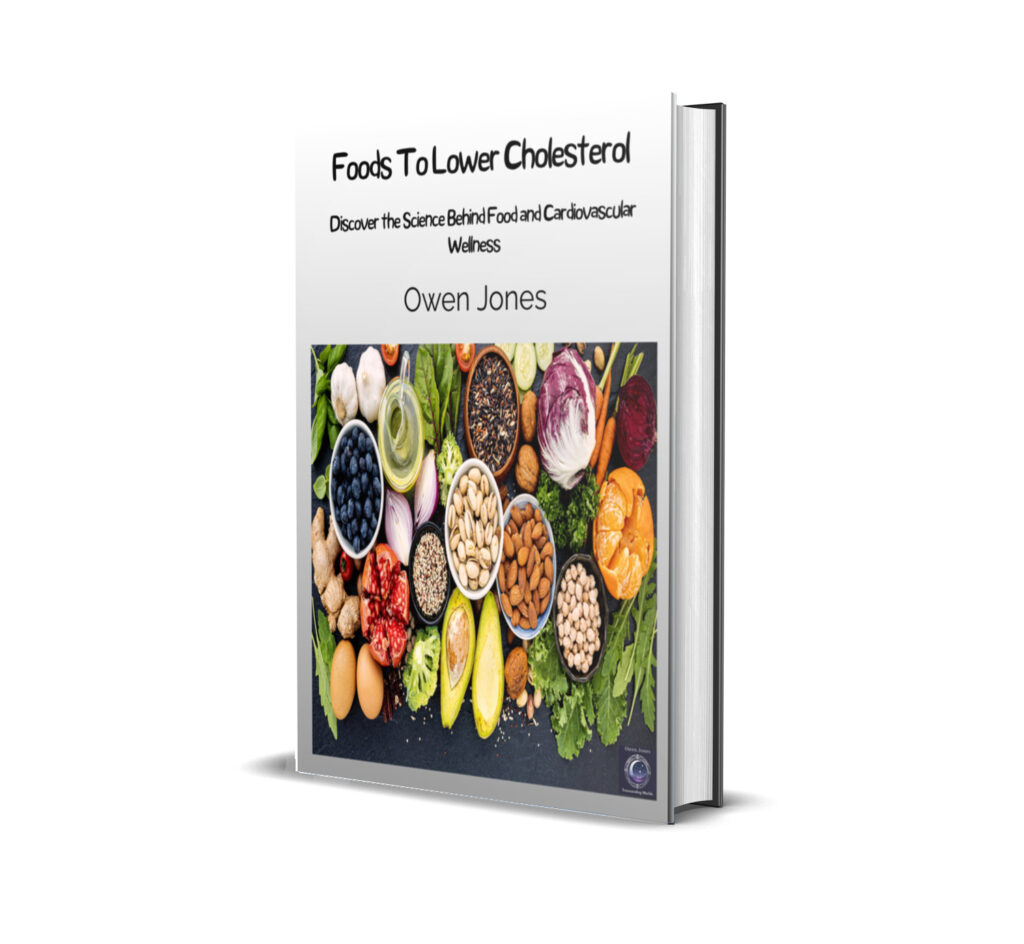
Foods to Lower Cholesterol
How to Eat Your Way to Health
A concise guide to using food to lower your cholesterol, covering aspects of eating that may have escaped your attention, and practical strategies to support long-term improvement in cholesterol levels. Read more…
Recommended Products
Green Tea (Loose Leaf): https://amzn.to/4lV0bLO
Hibiscus (Loose Leaf): https://amzn.to/4bzVBOd
Ginger Herbal Tea: https://amzn.to/3PmSWQw
Dandelion Root Tea: https://amzn.to/4bFTPep
Tea Infuser: https://amzn.to/4lAToGE
Glass Teapot: https://amzn.to/4snGsGY
Storage Boxes: https://amzn.to/47UQgQf
Assortment Box: https://amzn.to/3NFO9ZJ
Looking for a specific herbal tea? Browse the full A–Z list here:
Herbal Teas A-Z List
Get the Free Herbal Tea Shop Cheat Sheet