
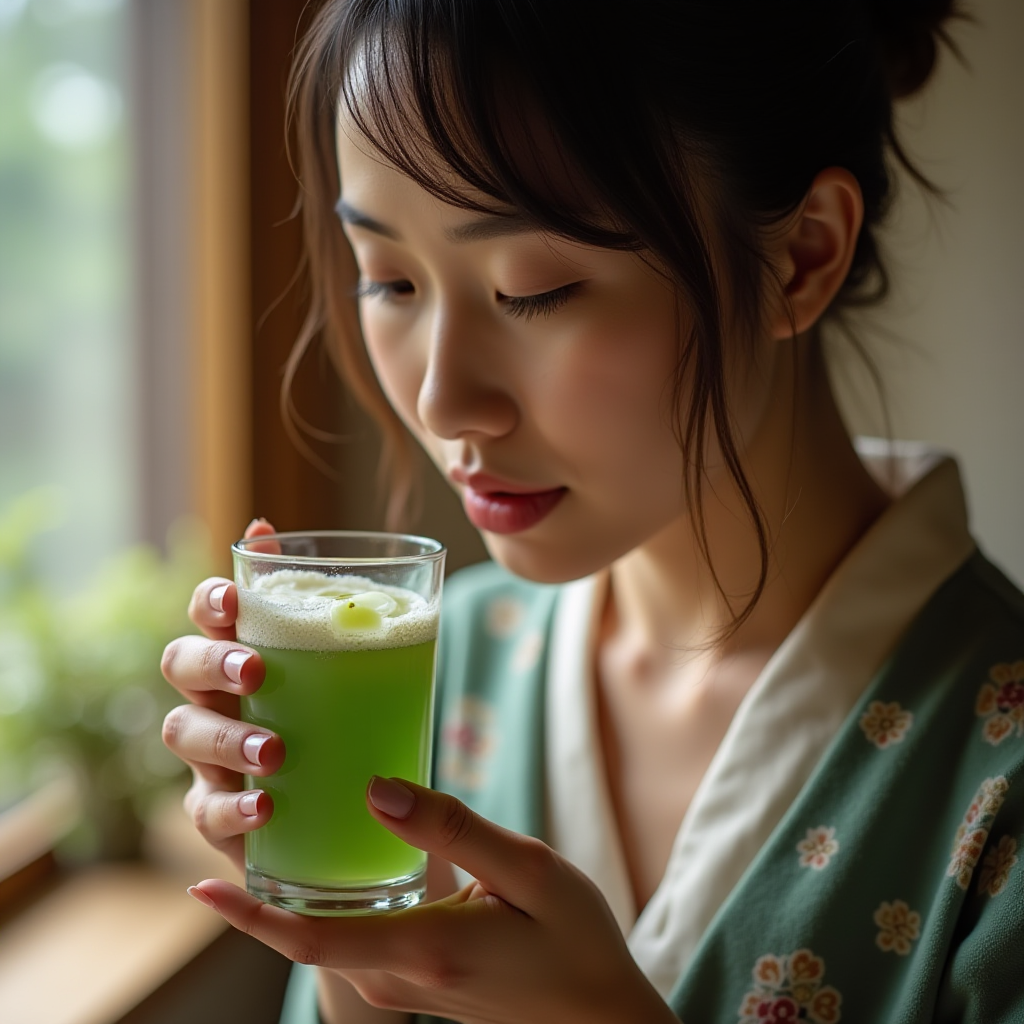

The powdered green tea that delivers calm focus and antioxidant power
Matcha tea is not like other teas. You do not steep it and throw away the leaves. You whisk the powdered green tea leaves directly into hot water and drink the whole leaf. This means you consume all of the nutrients, antioxidants, and amino acids that the plant has to offer – not just the small fraction that steeps out. The result is a tea that is richer, creamier, and more potent than any other green tea. Matcha tea has been used for centuries in Japanese tea ceremonies, valued by Zen monks for its ability to produce a state of calm alertness that enhanced meditation. Today, matcha is prized for its powerful antioxidant content, its unique combination of caffeine and L-theanine, and its potential to support heart health, metabolism, and mental clarity. For those seeking a natural energy lift without the racing heart, matcha is an exceptional choice.
“If you’d like to try matcha for yourself, we’ve curated a selection of high-quality, tested sources below. Every product we recommend has been chosen for purity and potency, or visit our online Herbal Tea Shop for even more choice”.
Looking for a specific herbal tea? Browse the full A–Z list here:
Herbal Teas A-Z List
Get the Free Herbal Tea Shop Cheat Sheet
What matcha tea is and how it works
Matcha tea is made from the leaves of the Camellia sinensis plant – the same plant that gives us green tea, black tea, and oolong tea. But matcha is grown and processed differently. About three weeks before harvest, the tea plants are shaded from direct sunlight. This forces the leaves to produce more chlorophyll and amino acids, particularly L-theanine. The shade also increases the production of caffeine. After harvest, the leaves are steamed, dried, and ground into a fine, bright green powder.
Unlike conventional green tea, where you steep the leaves and discard them, with matcha you consume the whole leaf. This means you get all of the nutrients and antioxidants, not just the water-soluble fraction. One cup of matcha tea has the nutritional equivalent of about ten cups of regular green tea.
The primary active compounds in matcha include epigallocatechin gallate (EGCG) , L-theanine, caffeine, chlorophyll, theobromine, and various flavonoids. These compounds work through several mechanisms: antioxidant activity (neutralising free radicals), calm alertness (L-theanine balances the stimulating effects of caffeine), thermogenic effects (slightly increasing metabolism), anti-inflammatory actions (reducing inflammation throughout the body), and neuroprotective properties (protecting brain cells). When you drink matcha, you are consuming all of these compounds in their whole form, making it one of the most potent teas available.
Key health benefits of matcha tea
Antioxidant protection is the most well-documented benefit of matcha tea. The EGCG in matcha is one of the most powerful antioxidants found in food. One cup of matcha has significantly more antioxidants than a cup of regular green tea, blueberries, or even dark chocolate. These antioxidants help protect cells from oxidative damage, which is linked to ageing, inflammation, and chronic disease.
Calm alertness is what makes matcha unique among caffeinated beverages. Coffee can cause jitters and anxiety. Energy drinks can lead to a crash. Matcha produces a smooth, sustained energy lift because of the balancing effect of L-theanine. This amino acid promotes relaxation without drowsiness and increases alpha brain wave activity, which is associated with a state of calm focus. Zen monks have used matcha for centuries to stay alert during long meditation sessions.
Metabolism and weight management may be supported by matcha. The combination of caffeine and EGCG has been shown to increase thermogenesis (energy expenditure) and fat oxidation. Some studies suggest that matcha can help the body burn more calories, particularly during exercise. The effects are modest but meaningful when combined with a healthy diet and regular activity.
Heart health may benefit from regular matcha consumption. The catechins in matcha have been shown to help lower LDL (“bad”) cholesterol and triglycerides. Matcha also supports healthy blood pressure and blood vessel function.
Cognitive function can be enhanced by matcha tea. The combination of caffeine and L-theanine improves attention, reaction time, and memory. Unlike coffee, which can make you feel jangly and unfocused, matcha helps you concentrate calmly.
Detoxification support comes from the chlorophyll in matcha. The shade-grown leaves produce high levels of chlorophyll, which gives matcha its vibrant green colour. Chlorophyll helps the body eliminate toxins and heavy metals.
How to prepare matcha tea
Matcha tea requires a different preparation method than loose leaf tea. You do not steep it. You whisk it.
Traditional method: Sift one teaspoon (about 2 grams) of matcha powder into a bowl to remove clumps. Add 60–80ml (2–3 ounces) of water just below boiling (70–80°C / 160–180°F). Whisk vigorously in a W or M motion until frothy. Drink immediately.
Simple method: Sift matcha into a cup. Add a small amount of hot water and whisk into a paste. Add the remaining water and whisk again. This prevents clumps.
Matcha latte: Whisk matcha with a small amount of hot water to make a paste. Add warmed milk (dairy or plant-based) and sweetener if desired. Avoid sugary syrups.
Iced matcha: Whisk matcha with a small amount of hot water. Pour over ice and top with cold water or milk.
Quality matters: Ceremonial grade matcha is the highest quality, intended for drinking as tea. Culinary grade is less expensive and intended for cooking and lattes. For the best flavour and health benefits, choose ceremonial grade.
How to use matcha tea safely
Matcha tea is generally safe for most people when consumed in moderate amounts – one to two cups daily. However, several precautions apply.
Caffeine sensitivity: Matcha contains more caffeine than regular green tea (approximately 35–70mg per serving, compared to 20–45mg for steeped green tea). Those sensitive to caffeine may experience jangling nerves, anxiety, or insomnia. Start with a small amount and avoid drinking matcha late in the day.
Iron absorption: The tannins in matcha can inhibit the absorption of non-heme iron (the type found in plant foods). Those with iron deficiency should drink matcha between meals rather than with iron-rich foods.
Pregnancy and breastfeeding: Moderate matcha tea consumption (one cup daily) is generally considered safe during pregnancy, but excessive caffeine intake is associated with increased risk of miscarriage. Pregnant women should limit total caffeine intake to under 200mg daily. Breastfeeding women should also moderate intake.
Lead contamination: Some studies have found that matcha grown in certain regions may contain lead from soil. Choose high-quality matcha from reputable sources that test for heavy metals. Ceremonial grade matcha from Japan is generally considered safe.
Medication interactions: Matcha may interact with certain medications, including blood thinners (warfarin), blood pressure medications, and some antidepressants. The vitamin K in matcha can interfere with warfarin. Consult your healthcare provider.
Recommended dosage
For general health benefits, one to two cups of matcha daily is sufficient. For more targeted effects – such as metabolic support or cognitive enhancement – one to two cups daily is still adequate because matcha is concentrated. Do not exceed three cups daily unless you are accustomed to caffeine.
Limitations of matcha tea
Matcha is not a substitute for medical treatment, particularly for heart disease, diabetes, or cancer. Its effects are modest and work best as part of a broader approach that includes a balanced diet, regular exercise, and appropriate medical care. Claims that matcha “cures” cancer or “melts fat” are unsupported; it is best understood as a supportive tool for overall health.
FAQ
Is matcha healthier than green tea?
Yes, because you consume the whole leaf. Matcha has significantly higher levels of antioxidants, L-theanine, and caffeine than steeped green tea. One cup of matcha has the nutritional equivalent of about ten cups of regular green tea.
Does matcha have caffeine?
Yes. Matcha contains more caffeine than regular green tea (35–70mg per serving) but less than coffee (95mg per cup). The caffeine is balanced by L-theanine, which produces calm alertness without the jangles.
What is the difference between ceremonial and culinary matcha?
Ceremonial grade is the highest quality, intended for drinking as tea. It has a bright green colour, smooth flavour, and no bitterness. Culinary grade is less expensive, slightly more bitter, and intended for cooking, baking, and lattes.
Is matcha good for weight loss?
Matcha may modestly increase metabolism and fat oxidation. The effects are small but can contribute to weight management when combined with a healthy diet and exercise.
Is matcha safe every day?
Yes, for most healthy adults, one to two cups of matcha daily is safe. Those sensitive to caffeine should start with a smaller amount.
Conclusion
Matcha tea is a unique and potent beverage that delivers the whole leaf, not just a steeped infusion. Its combination of powerful antioxidants (EGCG), calming L-theanine, and balanced caffeine produces a state of calm alertness that no other tea can match. For those seeking natural energy without the racing heart, concentrated antioxidants, or cognitive support, matcha is an exceptional choice. Choose ceremonial grade for drinking. Avoid cheap matcha, which may be bitter and lower quality. Used daily, matcha can support heart health, metabolism, mental clarity, and overall wellbeing.
Recommended Products
If you’d like to try matcha for yourself, we’ve curated a selection of high-quality, tested sources below. Every product we recommend has been chosen for purity and potency, or visit our online Herbal Tea Shop for even more choice.
Matcha tea (loose leaf): https://amzn.to/478cYUT
Matcha tea bags: https://amzn.to/3Po3hvq
Green tea (loose leaf): https://amzn.to/4lV0bLO
Green tea bags: https://amzn.to/4sx5CmB
Manuka Honey: https://amzn.to/47p7i9g
High-quality Garlic press: https://amzn.to/4sFBsxD
Tea infuser: https://amzn.to/4lAToGE
Glass teapot: https://amzn.to/4snGsGY
Storage boxes: https://amzn.to/47UQgQf
Assortment Box: https://amzn.to/3NFO9ZJ
Visit our online Herbal Tea Shop for more choice!
Do you read novels? Visit our bookshop to check out the ‘culturally grounded, Otherworldly narratives’ by Owen Jones.
Looking for a specific herbal tea? Browse the full A–Z list here:
Herbal Teas A-Z List
Get the Free Herbal Tea Shop Cheat Sheet
Further Reading
For a full evidence-based overview of herbal tea benefits, safety, and quality considerations, read our complete guide to Herbal Tea Benefits
1] For more on green tea, see:
Green Tea Benefits
2] For weight management, see:
Herbal Tea for Weight Loss
3] For cognitive support, see:
Rosemary Tea
4] For safety guidance on caffeinated teas, see:
Are Herbal Teas Safe?
5] For potential interactions with medications, see:
Herbal Tea and Medication
References
1] National Center for Complementary and Integrative Health (NCCIH) – Green Tea
Provides evidence-based information on green tea and matcha catechins.
2] National Institutes of Health (NIH) – EGCG and Health
Peer-reviewed study on the health effects of green tea catechins.
3] Harvard T.H. Chan School of Public Health – Matcha
Provides practical guidance on matcha benefits and uses.
4] Cleveland Clinic – Matcha Tea Benefits
Provides practical recommendations for matcha uses and safety.