

What peppermint tea is, and why it is used for digestion
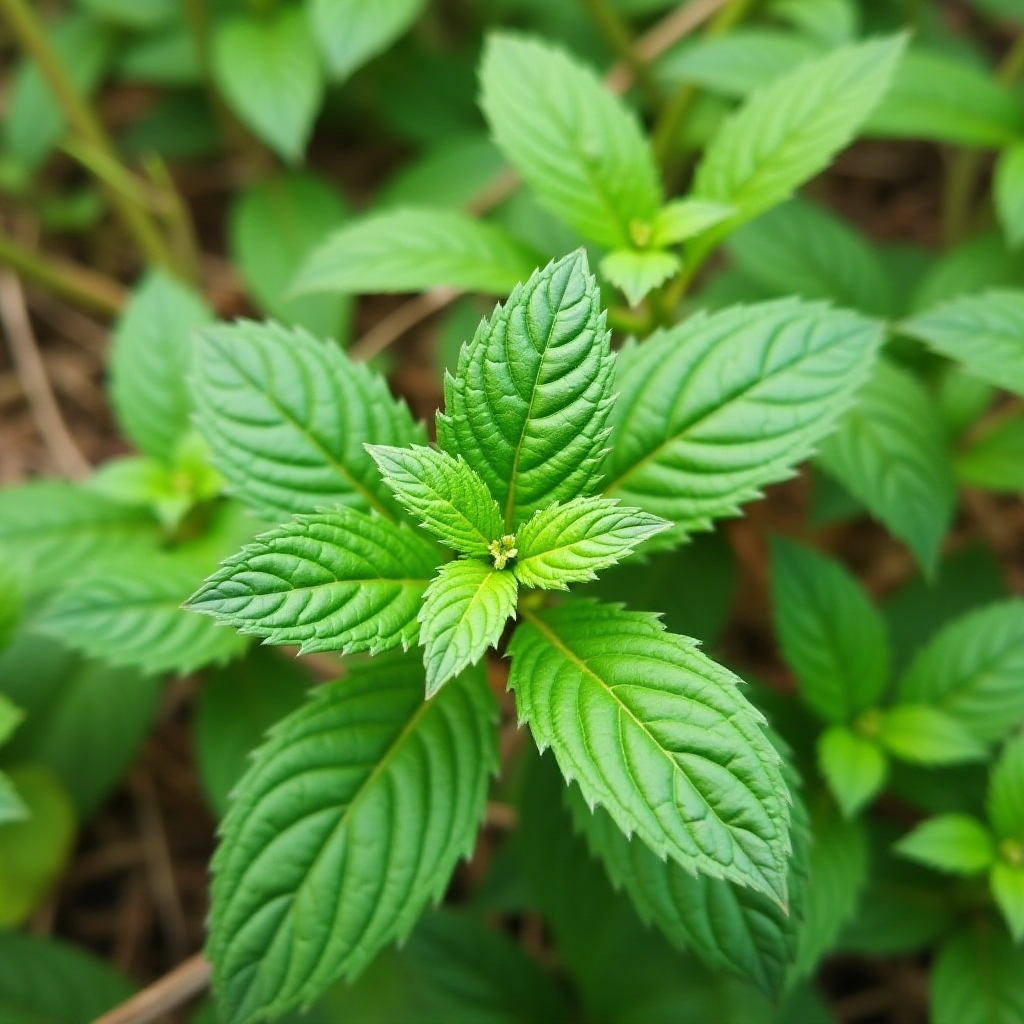
Peppermint tea is a widely used herbal infusion made from the leaves of the Mentha piperita plant. Peppermint tea is especially valued for digestive support, which is why many people choose peppermint tea after meals. The natural compounds in peppermint tea are associated with soothing the digestive tract and reducing discomfort. As a result, peppermint tea has become one of the most popular options for those seeking gentle, plant-based digestive support.
If you want to try peppermint tea for digestion, you can view current options here
→ Peppermint Tea
How peppermint supports digestive function
Peppermint leaves contains menthol, a compound known for its antispasmodic properties. Peppermint may help relax the muscles of the gastrointestinal tract, which can reduce cramping and discomfort. This mechanism is one reason peppermint leaf tea is often used for symptoms such as bloating and gas. While peppermint leaf tea is not a medical treatment, its effects on muscle relaxation explain its long-standing use in digestive support.
Peppermint for bloating and gas relief
Peppermint is frequently associated with relief from bloating and excess gas. By helping the digestive tract relax, peppermint tea may allow trapped gas to pass more easily. Many people report that peppermint tea reduces the feeling of fullness after eating. If bloating is a recurring issue, you may also find it useful to explore best herbal teas for bloating. Peppermint remains a common first choice for this purpose.
Many people keep peppermint tea on hand for this – you can check available tea bags here
→ Peppermint Tea
Peppermint and irritable bowel symptoms
Peppermint tea is often discussed in relation to irritable bowel symptoms due to its relaxing effect on intestinal muscles. Some individuals find peppermint helpful in managing discomfort associated with irregular digestion. For a broader overview, see herbal teas for IBS. While peppermint may provide support, responses vary, and it should be used as part of a balanced approach.
Peppermint and overall gut health
Peppermint tea may contribute to general gut comfort by supporting smoother digestive processes. Peppermint is commonly used after meals to reduce minor digestive disturbances. If you are interested in wider gut health strategies, refer to herbal teas for gut health. Peppermint fits well into a routine aimed at maintaining digestive balance.
Possible side effects of peppermint
Peppermint is generally well tolerated, but it is not suitable for everyone. It may worsen symptoms of acid reflux in some individuals because it can relax the lower oesophageal sphincter. Peppermint should also be used with caution by those with certain digestive conditions. For general safety information, consult https://www.nccih.nih.gov and https://www.nhs.uk. Understanding these factors helps ensure peppermint is used appropriately.
Recommended intake of peppermint leaf tea
An infusion of peppermint leaves is typically consumed one to three times daily, depending on individual tolerance and need. A peppermint infusion is often taken after meals to support digestion, although it can also be consumed between meals. Moderation is advisable, as excessive intake of peppermint may lead to unwanted effects in sensitive individuals.
How to prepare an infusion of peppermint leaves effectively
An infusion of peppermint leaves is best prepared by steeping dried or fresh leaves in hot water for five to ten minutes. A peppermint drink should have a strong, fresh aroma and a clean taste. Using high-quality leaves improves the consistency and effectiveness of peppermint tea. Proper preparation ensures that the tea delivers its characteristic flavour and potential benefits.
Choosing high-quality peppermint plants
Peppermint quality depends on sourcing, processing, and storage. Whole or coarsely cut leaves tend to retain more aroma and active compounds than finely ground material. When selecting peppermint leaves, look for clear labelling and good packaging. High-quality peppermint leaves provides a more reliable experience in both flavour and effect.
FAQ
Can peppermint leaves help with digestion?
Peppermint leaf tea is commonly used to support digestion and may help reduce bloating and gas in some individuals.
Is peppermint leaf tea safe to drink every day?
Peppermint tea is generally safe in moderate amounts, although some people may experience sensitivity or reflux.
Does peppermint leaf tea help with IBS?
Peppermint tea may help some individuals with IBS-related discomfort, but responses vary.
Can peppermint leaf tea cause side effects?
Peppermint leaf tea may worsen acid reflux in some cases and should be used cautiously if symptoms occur.
When is the best time to drink peppermint tea?
Peppermint leaf tea is often consumed after meals to support digestion.
Conclusion
Peppermint tea is widely recognised for its digestive support properties and ease of use. Peppermint tea may help reduce bloating, gas, and mild digestive discomfort through its relaxing effect on the digestive tract. While peppermint tea is not suitable for everyone, it remains a practical option for many people seeking gentle digestive support as part of a balanced routine.
Further Reading
For a full evidence-based overview of herbal tea benefits, safety, and quality considerations, read our complete guide to Herbal Tea Benefits
1] For more on respiratory infections that often cause fever, see:
Respiratory Inflammation
2] For immune support, see:
Herbal Tea for Inflammation
3] For sore throat often accompanying fever, see:
Can Herbal Tea Help with a Sore Throat?
4] For safety guidance on herbal teas, see:
Are Herbal Teas Safe?
5] For potential interactions with medications, see:
Herbal Tea and Medication
Visit our bookshop to check out the ‘culturally grounded, Otherworldly narratives’ by Owen Jones.
Recommended Products
High-quality Peppermint (Loose Leaf): https://amzn.to/4lIQSyi
Peppermint (Tea Bags): https://amzn.to/3NMIelO
Tea Infuser: https://amzn.to/4lAToGE
Glass Teapot: https://amzn.to/4snGsGY
Storage Boxes: https://amzn.to/47UQgQf
Looking for a specific herbal tea? Browse the full A–Z list here:
Herbal Teas A-Z List
Get the Free Herbal Tea Shop Cheat Sheet