

Why the Shelf Life of Dried Herbs Matters
Understanding the shelf life of dried herbs is essential if you want your herbal teas to remain effective, safe, and enjoyable. Over time, dried herbs gradually lose their flavour, aroma, and beneficial properties, even when stored correctly.
The shelf life of dried herbs depends on factors such as storage conditions, exposure to air, and the type of herb. While dried herbs do not usually spoil in the same way as fresh food, their quality declines steadily.
Click the link for more details, specific and general, on the safety of herbal tea.
Typical Shelf Life of Dried Herbs
The shelf life of dried herbs can vary, but most retain their best quality for between six months and two years. Leaves such as chamomile or peppermint tend to lose potency faster, while roots and seeds may last longer.
Even within the expected storage life of dried herbs, there can be noticeable differences in strength. Herbs stored in ideal conditions may remain usable for longer, but their effectiveness will still decline gradually.
Knowing the general expected life of dried herbs helps ensure that your tea blends remain both effective and pleasant to drink.
How Storage Affects the Shelf Life of Dried Herbs
Proper storage plays a major rôle in extending the shelf life of dried herbs. Exposure to light, heat, air, and moisture can all reduce their quality more quickly.
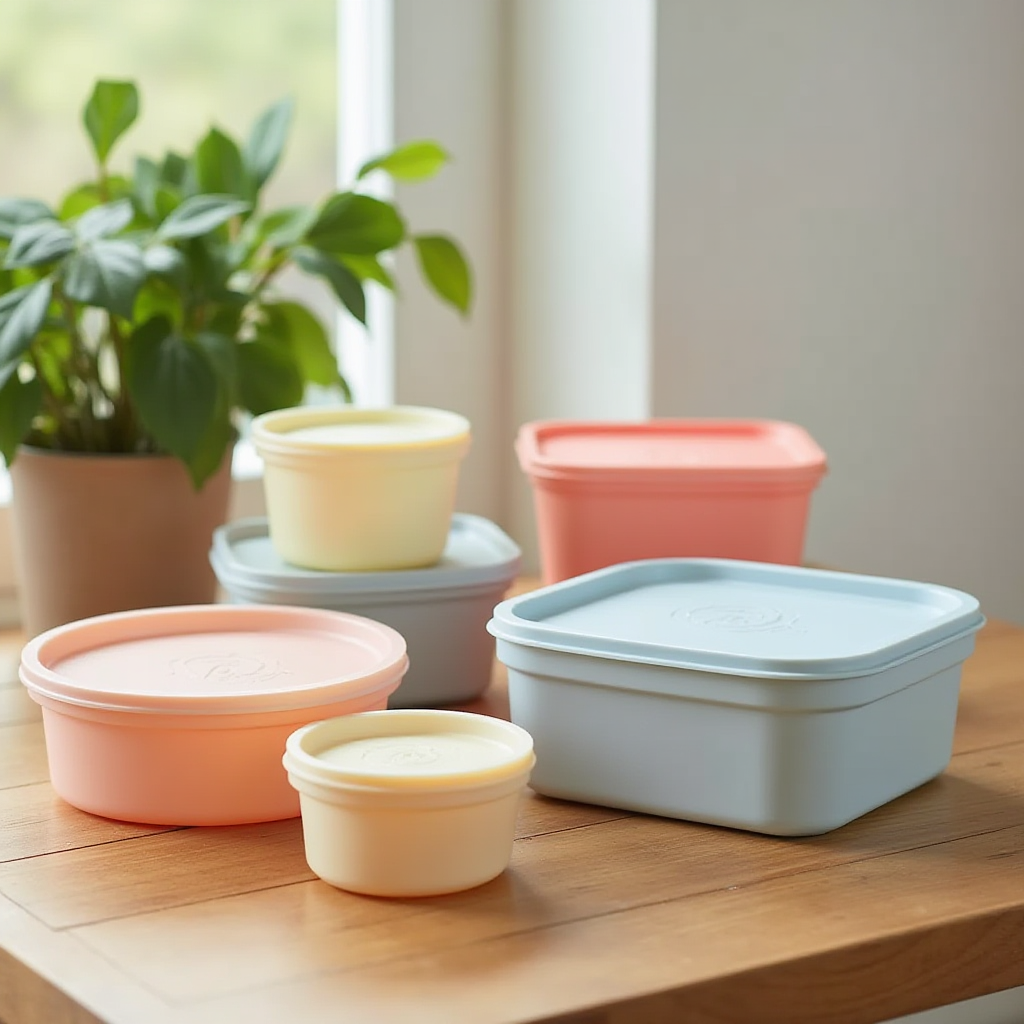
To protect the dried herbs, it is best to store them in airtight containers, away from direct sunlight and humidity. Kitchens, for example, can sometimes be too warm or damp if not carefully managed.
This connects directly with preparing quality blends, as discussed in how to create your own herbal tea blends:
https://meganpublishingservices.com/herbal-tea-benefits/how-to-create-your-own-herbal-tea-blends/
Further reading: NHS – Herbal Medicines
https://www.nhs.uk/conditions/herbal-medicines/
Signs That Dried Herbs Have Lost Quality
Recognising when the shelf life of dried herbs has passed is important. The most obvious sign is a loss of aroma. If an herb no longer has a noticeable scent, it is unlikely to produce a strong or effective tea.
Changes in colour can also indicate that the quality of dried herbs is low. Faded or dull herbs often lack both flavour and potency.
By checking these signs regularly, you can avoid using herbs that are no longer at their best and maintain consistent results.
Extending the Shelf Life of Dried Herbs
While the shelf life of dried herbs is naturally limited, it can be extended with careful handling. Keeping herbs sealed and avoiding frequent exposure to air helps preserve their qualities.
Another way to increase the shelf life of dried herbs is to store them in smaller quantities, reducing how often each container is opened. This helps maintain freshness for longer periods.
Consistent storage habits can make a noticeable difference to the overall shelf life of dried herbs.
Using Older Dried Herbs Safely
Even when the shelf life of dried herbs has passed, they are not always unsafe, but they may be far less effective. In most cases, older herbs simply produce weaker tea.
However, when considering the shelf life of dried herbs, it is important to discard anything that shows signs of mould, unusual odour, or contamination.
This is especially relevant when using herbal teas regularly, as discussed in are herbal teas safe:
https://meganpublishingservices.com/herbal-tea-benefits/are-herbal-teas-safe/
Cautions and Considerations
The shelf life of dried herbs should always be considered alongside their intended use. Some herbs are more sensitive than others and may lose their properties more quickly.
When working with the dried herbs, it is better to replace older stock rather than rely on reduced-quality ingredients. This ensures both safety and effectiveness.
Anyone using herbs for health-related purposes should ensure that they are fresh and stored correctly.
For those using herbs regularly, this is closely linked to how to choose quality herbal tea:
https://meganpublishingservices.com/herbal-tea-benefits/how-to-choose-quality-herbal-tea/
Further reading: National Center for Complementary and Integrative Health – Herbal Products
https://www.nccih.nih.gov/health/herbs-at-a-glance
FAQ
What is the typical shelf life of dried herbs?
The shelf life of dried herbs is usually between six months and two years, depending on the type and storage conditions.
How can I tell if dried herbs are still good?
A strong aroma and colour usually indicate that dried herbs are still within their usable shelf life.
Do dried herbs go bad?
Dried herbs rarely spoil in a dangerous way, but they lose quality and effectiveness over time.
How should dried herbs be stored?
They should be kept in airtight containers, away from light, heat, and moisture.
Conclusion
Understanding the shelf life of dried herbs helps ensure that your herbal teas remain effective and enjoyable. By storing herbs correctly and recognising signs of decline, you can maintain consistent quality in your blends.
With proper care, the shelf life of dried herbs can be extended, allowing you to get the best possible results from your ingredients.
Further Reading
For a full evidence-based overview of herbal tea benefits, safety, and quality considerations, read our complete guide to Herbal Tea Benefits.
Visit our bookshop to check out the ‘culturally grounded, Otherworldly narratives’ by Owen Jones.
Recommended Products 🌿
Using proper storage tools can help maintain the shelf life of dried herbs.
Chamomile tea (loose leaf): https://amzn.to/3Pv6zgo
Hibiscus tea (loose leaf): https://amzn.to/4bzVBOd
Tea infuser: https://amzn.to/4lAToGE
Glass teapot: https://amzn.to/4snGsGY
Storage boxes: https://amzn.to/47UQgQf