

What to watch for when drinking herbal infusions
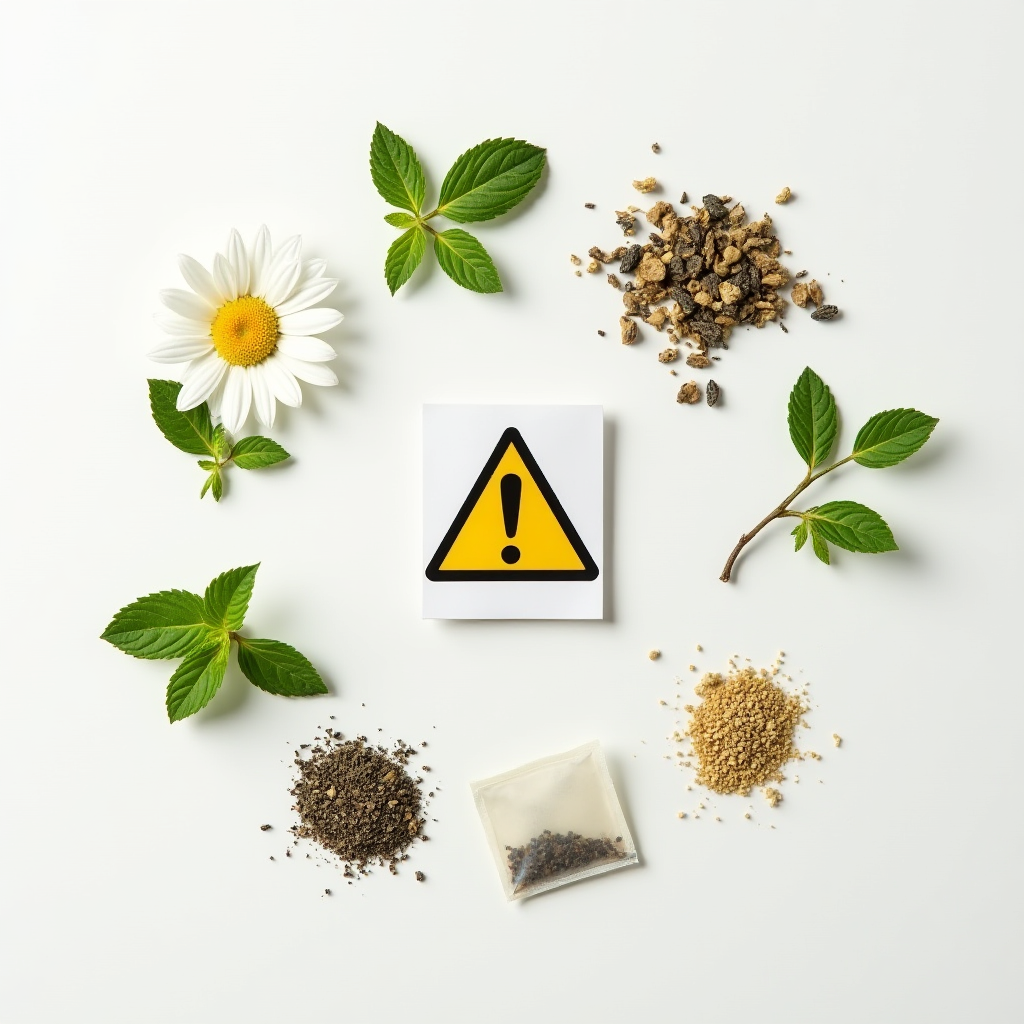
Herbal teas are generally safe for most people when consumed in moderation. However, people do worry about the possible side effects of herbal tea, because “natural” does not always mean free from side effects. Because herbs contain biologically active compounds, some individuals may experience unwanted reactions. These can range from mild digestive upset to allergic responses, depending on the herb, the amount consumed, and individual sensitivity. Understanding potential side effects helps you make informed choices and enjoy herbal tea safely. This guide covers the most common side effects, which herbs are more likely to cause them, and when to seek medical advice. Read on to find out more about the possible side effects of herbal tea.
Safety Support Topics:
1] General safety
2] Medication interactions
3] Pregnancy & sensitive groups
4] Side effects
5] Safe usage & limits
6] Home – Herbal Tea Safety
7] Home – Herbal Tea Benefits
8] The Herbal Tea Shop
If you would like to try the herbal teas mentioned in this article for yourself, we have curated a selection of high-quality, tested sources below. Every product we recommend has been chosen for purity and potency, or visit our online Herbal Tea Shop for even more choice.
Looking for a specific herbal tea? Browse the full A–Z list here:
Herbal Teas A-Z List
Get the Free Herbal Tea Shop Cheat Sheet
Possible side effects of herbal tea with digestion
The digestive system is the first to encounter the compounds in herbal tea, and it is where side effects most commonly appear.
Nausea and stomach upset – Some herbs, particularly bitters and strong anti-inflammatories, can irritate the stomach lining when consumed in large amounts or on an empty stomach. Turmeric and dandelion root are examples.
Diarrhoea – Herbs with laxative properties such as senna, cascara sagrada, and large amounts of dandelion or licorice root can cause loose stools, especially when overused.
Constipation – Ironically, some herbs that are used for diarrhoea can cause constipation in sensitive individuals or when consumed in excess. Strong astringent herbs may have this effect.
Heartburn and acid reflux – Peppermint and spearmint can relax the lower oesophageal sphincter, allowing stomach acid to flow back into the oesophagus. Those with GERD should use these herbs with caution.
Bloating and gas – While many carminative herbs relieve gas, some individuals may experience increased bloating as their digestive system adjusts to a new herb.
Allergic reactions or possible side effects of herbal tea
Allergic reactions or possible side effects of herbal tea are rare but possible. They are most common in individuals with existing allergies to plants in the same family.
Chamomile is in the Asteraceae (daisy) family, which also includes ragweed, chrysanthemums, marigolds, and echinacea. Those with ragweed allergies may experience reactions ranging from mild skin irritation to, in rare cases, anaphylaxis.
Echinacea is also in the Asteraceae family and may cause allergic reactions in sensitive individuals, particularly those with asthma or seasonal allergies.
Chrysanthemum tea carries similar risks for those with Asteraceae allergies.
Other herbs – Any herb has the potential to cause an allergic reaction in a sensitive individual. Start with small amounts when trying a new herb.
Nervous system effects
Many herbal teas are specifically consumed for their effects on the nervous system. These effects can become side effects of herbal tea when overused or when taken by sensitive individuals.
Drowsiness – Herbs with sedative properties such as valerian, passionflower, chamomile, and lavender can cause excessive drowsiness, especially when combined with alcohol or sedative medications. Do not drive or operate heavy machinery until you know how these herbs affect you.
Paradoxical stimulation – A small percentage of people experience the opposite of the intended effect with certain herbs. Valerian, for example, can cause increased alertness, anxiety, or insomnia in some individuals rather than sedation.
Headaches – Some herbs, particularly those that affect blood flow or blood pressure, may trigger headaches in sensitive individuals. Ginkgo and hibiscus are examples.
Dizziness – Herbs that lower blood pressure (hibiscus, hawthorn) or have sedative properties (valerian, passionflower) may cause dizziness, especially when first introduced or when taken in large amounts.
Cardiovascular effects
Herbs that affect the heart and blood vessels can cause side effects, particularly when combined with medications or consumed in excess. These are some possible side effects of herbal tea.
Blood pressure changes – Hibiscus and hawthorn can lower blood pressure. While this is often desirable, it can cause dizziness or fainting in individuals with already low blood pressure or those taking antihypertensive medications.
Heart rhythm changes – Hawthorn and motherwort can affect heart rhythm. Those with heart conditions or taking heart medications should consult a healthcare provider before regular use.
Bleeding risk – Herbs with blood-thinning properties such as ginkgo, garlic, and ginger may increase the risk of bleeding, especially when combined with anticoagulant medications like warfarin or aspirin. They are possible side effects of herbal tea worth bearing in mind.
Hormonal effects
Some herbs contain compounds that can influence hormone levels. The possible side effects of herbal tea in this case are:
Licorice root – When consumed in large amounts or for extended periods, licorice can affect cortisol levels, leading to fluid retention, high blood pressure, and low potassium.
Spearmint – Spearmint tea has been shown to affect androgen levels and may be beneficial for hormonal acne, but it should be used with caution by pregnant women or those with hormone-sensitive conditions.
Red clover – Contains isoflavones with mild estrogenic effects. Those with hormone-sensitive conditions such as breast cancer or endometriosis should consult a healthcare provider before regular use.
Kidney and electrolyte effects
Diuretic herbs – Dandelion, juniper, and hibiscus have diuretic properties. While generally safe, excessive consumption can lead to dehydration or electrolyte imbalance, particularly when combined with pharmaceutical diuretics.
Licorice root – Long-term use of licorice root can cause potassium depletion, leading to muscle weakness, fatigue, and heart arrhythmias.
Juniper berry – Juniper can irritate the kidneys if used for extended periods. Those with kidney disease should avoid it entirely.
Skin reactions
Photosensitivity – Some herbs, particularly St John’s wort and certain citrus-based teas, can increase sensitivity to sunlight, leading to sunburn or skin rashes with UV exposure.
Contact dermatitis – Handling fresh herbs or strong teas may cause skin irritation in sensitive individuals. This is more common with topical application but can occur with ingestion in rare cases, but it is one of the possible side effects of herbal tea.
Who is most at risk for side effects?
Pregnant and breastfeeding women – Hormonal changes and the developing foetus make pregnancy a time of increased sensitivity to herbal compounds, which can increase the chance of possible side effects of herbal tea.
People taking multiple medications – Drug-herb interactions are more likely when multiple medications are involved.
Individuals with chronic health conditions – Liver disease, kidney disease, heart conditions, and autoimmune disorders can increase susceptibility to side effects.
Children and the elderly – Both groups may be more sensitive to herbal compounds and require lower doses in order to mitigate any possible side effects of herbal tea.
Those with known allergies – Individuals with plant allergies should research herb families before trying new teas.
How to minimise the risk of side effects of herbal tea
Start with small amounts – When trying a new herb, begin with one cup and assess your response before increasing intake.
Follow recommended dosages – One to three cups daily is safe for most gentle herbs. Stronger herbs require more caution.
Rotate your herbs – Using the same herb daily for extended periods increases the risk of side effects. Rotate between different herbs.
Consult a healthcare provider – If you are pregnant, taking medication, or have a chronic condition, seek advice before adding herbal teas to your daily routine.
Stop if you experience side effects – Discontinue use and consult a healthcare provider if you experience any concerning symptoms.
Limitations of this guide
This guide provides general information about potential side effects of herbal teas but is not a substitute for medical advice. Individual responses to herbs vary significantly. If you experience persistent or severe side effects, seek medical attention. This guide does not cover all possible side effects of herbal tea of every kind.
FAQ
Can herbal tea cause stomach problems?
Yes. Some herbs, particularly when consumed in large amounts or on an empty stomach, can cause nausea, cramping, or diarrhoea. Start with small amounts to assess tolerance to avoid possible side effects of herbal tea.
Can I be allergic to herbal tea?
Yes. Allergic reactions to herbal tea are rare but possible, particularly in individuals with existing plant allergies. Chamomile (ragweed family) is a common example.
Can herbal tea make me drowsy?
Yes. Herbs with sedative properties such as valerian, passionflower, chamomile, and lavender can cause drowsiness, especially when combined with alcohol or sedative medications.
Can herbal tea affect my blood pressure?
Yes. Hibiscus and hawthorn can lower blood pressure. While this is beneficial for some, it can cause dizziness in those with already low blood pressure or those taking blood pressure medication.
When should I see a doctor about possible side effects of herbal tea?
If you experience severe symptoms, persistent digestive upset, difficulty breathing, swelling of the face or throat, or any symptoms that concern you, seek medical attention immediately.
Conclusion
Herbal teas are generally safe for most people when consumed in moderation, but there arepossible side effects of herbal tea. Digestive upset, allergic reactions, drowsiness, blood pressure changes, hormonal effects, and skin reactions can occur in sensitive individuals or with excessive use. By starting with small amounts, rotating herbs, and consulting a healthcare provider when necessary, most people can enjoy herbal tea safely. If you experience concerning side effects, discontinue use and seek medical advice.
Recommended Products
If you would like to try the herbal teas mentioned in this article for yourself, we have curated a selection of high-quality, tested sources below. Every product we recommend has been chosen for purity and potency, or visit our online Herbal Tea Shop for even more choice.
👉 Best to try first: Chamomile Tea
Chamomile is one of the safest and best-tolerated herbal teas, with a very low risk of side effects for most people.
Chamomile tea (loose leaf): https://amzn.to/3Pv6zgo
Chamomile tea bags: https://amzn.to/4bCq3XM
Manuka Honey: https://amzn.to/47p7i9g
High-quality Garlic press: https://amzn.to/4sFBsxD
Tea infuser: https://amzn.to/4lAToGE
Glass teapot: https://amzn.to/4snGsGY
Storage boxes: https://amzn.to/47UQgQf
Assortment Box: https://amzn.to/3NFO9ZJ
Visit our online Herbal Tea Shop for more choice.
Do you read novels? Visit our bookshop to check out the culturally grounded, Otherworldly narratives by Owen Jones.
Further Reading
For a full evidence-based overview of herbal tea benefits, safety, and quality considerations, read our complete guide to Herbal Tea Benefits.
1] For general safety information, see Are Herbal Teas Safe?
2] For information on medication interactions, see Herbal Tea and Medication
3] For pregnancy safety, see Herbal Tea During Pregnancy
4] For safe consumption limits, see What is Too Much Herbal Tea?
References
1] Government agency overview of herbal supplement safety from the National Center for Complementary and Integrative Health (NCCIH) – Herbs at a Glance
2] Medical guidance on allergic reactions from the National Health Service (NHS) – Allergies
3] Consumer information on herbal tea safety from the Cleveland Clinic – Are Herbal Teas Safe?