

The traditional herb for low mood, nervous tension, and seasonal blues
That heavy feeling that won’t lift. The lack of energy and interest in things you used to enjoy. The irritability and tension that strain your relationships. St. John’s Wort tea is different. It is not a stimulant that masks fatigue or a sedative that numbs emotions. It works gradually to support healthy mood regulation and nervous system balance. Used for centuries in European herbal medicine, St. John’s Wort is one of the most researched herbs for mild to moderate depression and seasonal affective disorder. The active compounds – hypericin and hyperforin – work together to influence neurotransmitter activity, particularly serotonin, dopamine, and norepinephrine. Unlike pharmaceutical antidepressants, St. John’s Wort is gentler but still potent – and it comes with significant interactions that must be respected. For those seeking natural support for low mood, nervous tension, and the winter blues, St. John’s Wort tea is a powerful option – but it is not for everyone. Read on to find out more about St. John’s Wort tea;
If you would like to try the herbal teas mentioned in this article for yourself, we have curated a selection of high-quality, tested sources below. Every product we recommend has been chosen for purity and potency, or visit our online Herbal Tea Shop for even more choice.
Looking for a specific herbal tea? Browse the full A–Z list here:
Herbal Teas A-Z List
Get the Free Herbal Tea Shop Cheat Sheet
What St. John’s Wort tea is and how it works
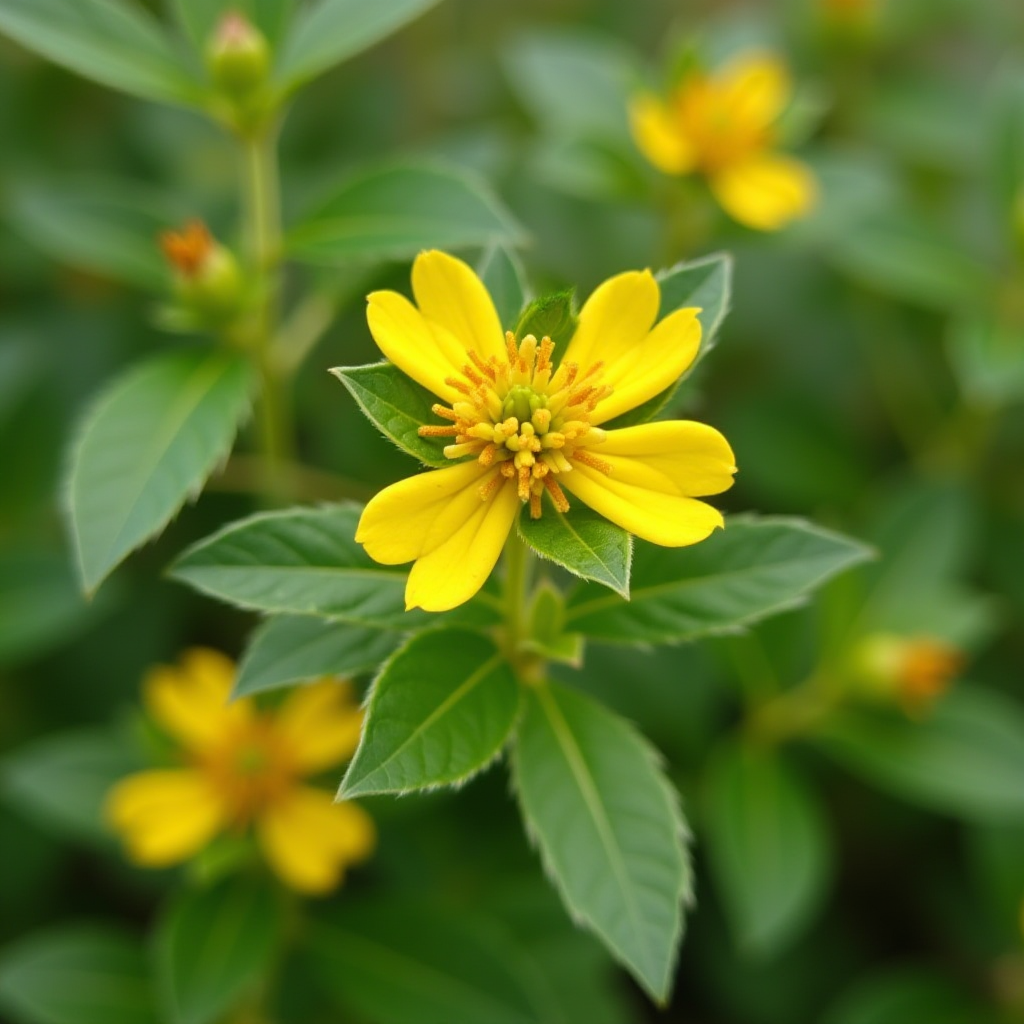
St. John’s Wort (Hypericum perforatum) is a flowering perennial plant native to Europe and Asia, now naturalised throughout North America and other temperate regions. The plant gets its name from its traditional harvest date of June 24th – the feast day of St. John the Baptist – and the word “wort,” an old English term for plant. When the flowers are crushed, they release a red pigment that looks like blood, which was historically associated with the martyrdom of St. John. The plant has been used medicinally for over 2,000 years, with records dating back to ancient Greece and Rome.
The primary active compounds in St. John’s Wort include hypericin, hyperforin, and various flavonoids. Hypericin is the compound responsible for the red pigment and has been extensively studied for its effects on mood. Hyperforin influences neurotransmitter reuptake, similar to how some pharmaceutical antidepressants work but through different mechanisms. These compounds work together to inhibit the reuptake of serotonin, dopamine, and norepinephrine – neurotransmitters that regulate mood, motivation, and emotional stability.
Unlike pharmaceutical antidepressants that can take four to six weeks to work, some studies suggest St. John’s Wort may produce noticeable effects within two to four weeks. However, it is not a quick fix. It works cumulatively, with benefits building over weeks of consistent use. Importantly, St. John’s Wort is potent and has significant interactions with many medications. It is not a gentle herb to be taken casually.
Key health benefits of St. John’s Wort tea
Mild to moderate depression is the most well-researched benefit of St. John’s Wort. Numerous clinical studies have shown that St. John’s Wort can be more effective than placebo and as effective as standard antidepressants for mild to moderate depression, with fewer side effects. It is particularly useful for low mood that lacks the severe, debilitating features of major depression.
Seasonal affective disorder (SAD) responds well to St. John’s Wort. The winter blues – low mood, low energy, and increased sleep needs during darker months – may be alleviated with regular use. Some studies suggest St. John’s Wort is particularly effective for this type of depression.
Nervous tension and anxiety may be eased by St. John’s Wort, though the evidence is stronger for depression. Its calming effects on the nervous system can help reduce the irritability, restlessness, and tension that often accompany low mood.
Nerve pain has been traditionally treated with St. John’s Wort, particularly for neuralgia, sciatica, and post-shingles pain. The mechanism involves both anti-inflammatory and neurotransmitter-modulating effects.
Menopausal symptoms including mood swings and irritability may be helped by St. John’s Wort. Some research suggests it can reduce the psychological symptoms of menopause.
Wound healing is a traditional topical use of St. John’s Wort oil, not the tea. The infused oil is applied to minor wounds, burns, and bruises. The tea does not have this effect.
How to prepare St. John’s Wort tea
St. John’s Wort tea can be prepared from dried flowering tops.
Hot infusion method: Use one to two teaspoons of dried St. John’s Wort per cup of water. Pour freshly boiled water over the herb. Cover and steep for 5–10 minutes. Longer steeping produces a stronger, more bitter infusion. Strain well before drinking.
Tea bag method: Use one tea bag per cup. Steep in freshly boiled water for 5–10 minutes.
Flavour: St. John’s Wort tea has a distinctive, earthy, slightly bitter, and astringent flavour. It is not unpleasant but is stronger than chamomile or peppermint. Many people add honey or a slice of lemon to improve palatability.
Blending: St. John’s Wort blends well with other herbs. Good combinations include St. John’s Wort with lemon balm for low mood with anxiety, St. John’s Wort with chamomile for evening relaxation, or St. John’s Wort with peppermint for improved flavour.
Dosage: For mild depression or SAD, one to two cups daily. For more significant symptoms, up to three cups daily. St. John’s Wort works cumulatively – give it at least four to six weeks of consistent use before evaluating effects.
How to use St. John’s Wort tea safely
St. John’s Wort is potent and has significant interactions. Do not take it casually or without understanding the risks.
DO NOT take St. John’s Wort if you are taking antidepressant medication (SSRIs, SNRIs, MAOIs). Combining them can cause serotonin syndrome – a potentially life-threatening condition characterised by agitation, confusion, rapid heart rate, and muscle rigidity.
DO NOT take St. John’s Wort if you are taking any of the following medications without medical supervision: birth control pills (it can reduce their effectiveness, leading to unintended pregnancy), blood thinners (warfarin, aspirin), heart medications (digoxin, beta-blockers), cholesterol medications (statins), immunosuppressants (cyclosporine), HIV medications, seizure medications, migraine medications (triptans), or chemotherapy drugs.
St. John’s Wort affects liver enzymes – specifically the cytochrome P450 system. This means it can speed up the breakdown of many medications, reducing their effectiveness. The effects can last for up to two weeks after stopping.
Pregnancy and breastfeeding: St. John’s Wort should be avoided during pregnancy and breastfeeding due to limited safety data and potential effects on hormone levels.
Photosensitivity: St. John’s Wort can increase sensitivity to sunlight. While rare with tea consumption, those with fair skin or a history of sun sensitivity should take precautions. Avoid excessive sun exposure.
Surgery: Discontinue St. John’s Wort at least two weeks before scheduled surgery due to potential interactions with anaesthesia and its effects on serotonin levels.
Children: St. John’s Wort is not recommended for children without professional guidance.
If you are taking any medication, consult your healthcare provider before using St. John’s Wort. This herb is safe for many people, but the interactions are serious and must be respected.
Recommended dosage
For mild depression or seasonal affective disorder, one to two cups daily. For more significant symptoms, up to three cups daily. St. John’s Wort works cumulatively – give it at least four to six weeks of consistent use before evaluating effects. Do not stop taking prescribed antidepressant medication in favour of St. John’s Wort without medical supervision.
Limitations of St. John’s Wort tea
St. John’s Wort tea is not a substitute for medical treatment, particularly for major depression, bipolar disorder, or any condition requiring prescription medication. It is not a quick fix. Its effects are gradual and work best as part of a broader approach that includes good sleep hygiene, regular exercise, a healthy diet, and appropriate medical care when needed. Claims that St. John’s Wort “cures” depression are unsupported; it is best understood as a supportive tool for mild to moderate low mood. The tea is less concentrated than St. John’s Wort extracts or supplements. If you have significant depression, speak to a healthcare provider.
FAQ
Is St. John’s Wort tea good for depression?
Yes, for mild to moderate depression. Numerous clinical studies have shown it can be as effective as standard antidepressants with fewer side effects. However, it is not a substitute for prescribed treatment for major depression.
How long does St. John’s Wort tea take to work?
St. John’s Wort works cumulatively rather than acutely. Most people notice improvements after four to six weeks of consistent daily use. Do not expect immediate results.
Can I take St. John’s Wort tea with antidepressants?
Absolutely not. Combining St. John’s Wort with antidepressant medication can cause serotonin syndrome, a potentially life-threatening condition. If you are taking antidepressants, do not use St. John’s Wort.
Does St. John’s Wort tea interact with birth control?
Yes. St. John’s Wort can reduce the effectiveness of birth control pills, leading to unintended pregnancy. Use alternative or backup contraception while taking St. John’s Wort.
What does St. John’s Wort tea taste like?
St. John’s Wort tea has a distinctive, earthy, slightly bitter, and astringent flavour. It is not unpleasant but is stronger than chamomile or peppermint. Honey or lemon improves the taste.
Conclusion
St. John’s Wort tea is a potent, research-backed herbal remedy for mild to moderate depression, seasonal affective disorder, and nervous tension. Its hypericin and hyperforin work together to influence neurotransmitter activity and support healthy mood regulation. Unlike pharmaceutical antidepressants, it is gentler and has fewer side effects – but it comes with significant medication interactions that must be respected. This herb is not for everyone. If you are taking any prescription medication, particularly antidepressants, birth control pills, or blood thinners, consult your healthcare provider before use. Used appropriately and with respect for its contraindications, St. John’s Wort tea can be a powerful ally for emotional wellbeing.
Recommended Products
If you would like to try the herbal teas mentioned in this article for yourself, we have curated a selection of high-quality, tested sources below. Every product we recommend has been chosen for purity and potency, or visit our online Herbal Tea Shop for even more choice.
St. John’s Wort tea (loose leaf): https://amzn.to/49FYOvg
St. John’s Wort tea (tea bags): https://amzn.to/42srLad
Blending and support herbs:
Lemon balm tea (loose leaf)
Lemon balm tea bags
Chamomile tea (loose leaf)
Chamomile tea bags
Peppermint tea (loose leaf)
Peppermint tea bags
Manuka Honey
High-quality Garlic press
Tea infuser
Glass teapot
Storage boxes
Assortment Box
Visit our online Herbal Tea Shop for more choice.
Do you read novels? Visit our bookshop to check out the culturally grounded, Otherworldly narratives by Owen Jones.
Looking for a specific herbal tea? Browse the full A–Z list here:
Herbal Teas A-Z List
Get the Free Herbal Tea Shop Cheat Sheet
Further Reading
For a full evidence-based overview of herbal tea benefits, safety, and quality considerations, read our complete guide to Herbal Tea Benefits.
1] For more on anxiety and stress relief, see Best Herbal Teas for Anxiety and Stress Relief
2] For nervous tension, see Herbal Teas for Nervous Tension
3] For SAD and low mood, see Herbal Teas for Stress Management
4] For safety guidance on herbal teas, see Are Herbal Teas Safe?
5] For potential interactions with medications, see Herbal Tea and Medication
6] For more on pain relief, see Herbal Teas for Aches and Pains
7] For more on natural mood support, see Best Herbal Teas for Anxiety and Stress Relief.
References
1] Government agency overview of St. John’s Wort safety and research from the National Center for Complementary and Integrative Health (NCCIH) – St. John’s Wort
2] Systematic review of St. John’s Wort for depression from PubMed – Cochrane Review
3] Cancer centre professional monograph on interactions and clinical evidence from Memorial Sloan Kettering Cancer Center – St. John’s Wort
4] Consumer-level information on dosage, benefits, and interactions from WebMD – St. John’s Wort
5] Health system reference on St. John’s Wort for depression from Mount Sinai – St. John’s Wort