

The golden spice with powerful anti-inflammatory properties
Turmeric root tea, made from the dried or fresh rhizome of the Curcuma longa plant, is a golden-hued herbal infusion renowned for its potent anti-inflammatory and antioxidant properties. For thousands of years, turmeric has been a cornerstone of Ayurvedic and traditional Chinese medicine, used to support joint health, digestion, skin conditions, and overall vitality. The active compound responsible for its characteristic yellow colour and many of its health benefits is curcumin, a polyphenol with extensive research backing its anti-inflammatory effects. While turmeric root tea is less concentrated than extracts or supplements, it offers a gentle, enjoyable way to incorporate this powerful spice into a daily wellness routine.
If you want to try turmeric root tea for the benefits mentioned above, you can view current options here → Turmeric Root Tea
Looking for a specific herbal tea? Browse the full A–Z list here:
Herbal Teas A-Z List
Get the Free Herbal Tea Shop Cheat Sheet
What turmeric root is and how it works
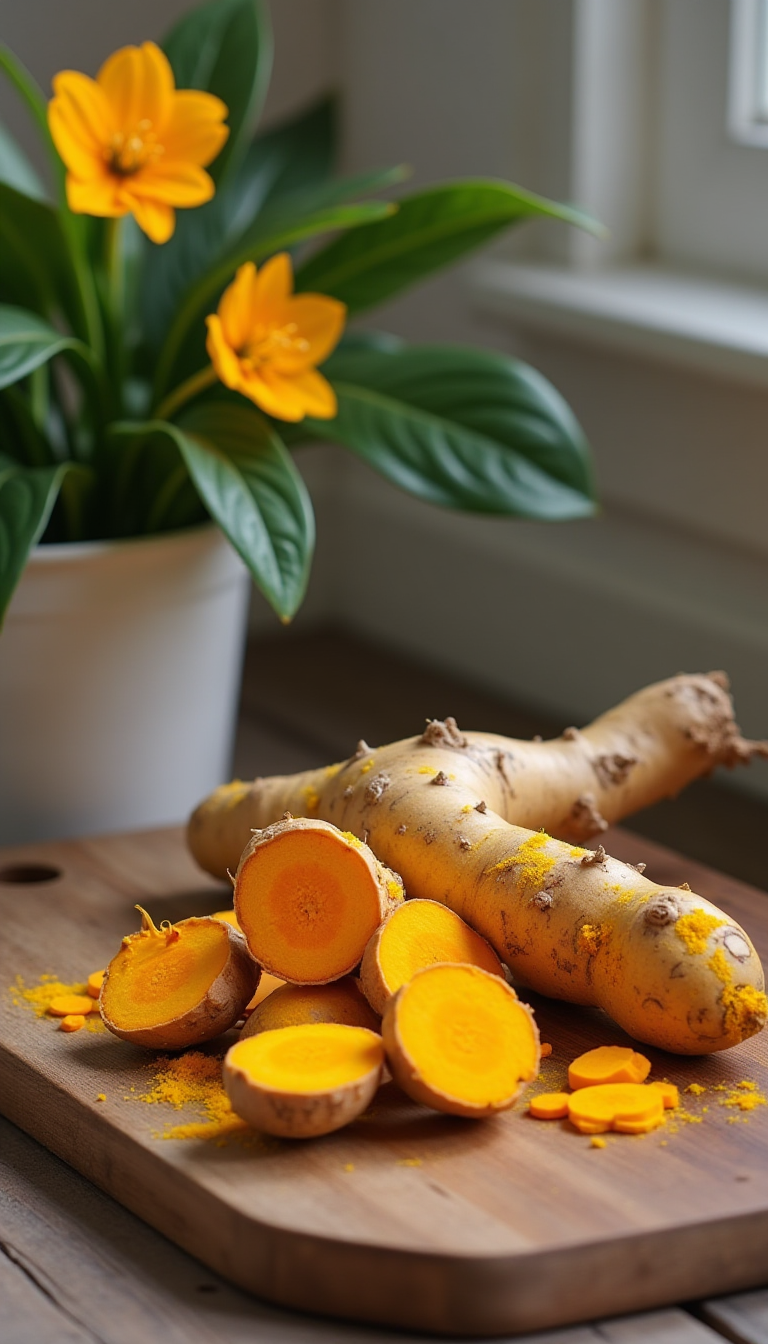
Turmeric (Curcuma longa) is a flowering plant in the ginger family, native to Southeast Asia. The rhizome (underground stem) is harvested, boiled, dried, and ground into the bright orange-yellow powder commonly used as a culinary spice. When prepared as a tea, turmeric releases its bioactive compounds, primarily curcumin, along with other curcuminoids and volatile oils. The mechanisms through which turmeric exerts its effects include COX-2 inhibition (reducing inflammatory enzymes), antioxidant activity (neutralising free radicals), NF-kB modulation (affecting inflammatory pathways), and mild digestive stimulation (promoting bile production). However, curcumin is poorly absorbed on its own; combining turmeric root with black pepper (which contains piperine) significantly enhances absorption.
Key health benefits of turmeric root
Anti-inflammatory support is the most well-documented benefit of turmeric root. Chronic inflammation is implicated in many modern diseases, including arthritis, heart disease, and metabolic syndrome. Turmeric’s curcumin compounds help reduce inflammatory markers, potentially easing joint discomfort and supporting overall inflammatory balance. Many aches and pains tend to come with ageing, but can be eased with herbal tea.
Joint health and arthritis relief have been studied extensively. Multiple clinical trials suggest that turmeric extract can reduce pain and improve function in people with osteoarthritis, particularly of the knee. While tea is less concentrated than supplements, regular consumption may offer mild supportive benefits.
Digestive support is a traditional use of turmeric root. It stimulates bile production, which aids fat digestion, and has carminative properties that may reduce gas and bloating. Turmeric tea is often consumed after meals to support digestive comfort.
Antioxidant protection helps protect cells from oxidative damage caused by free radicals. This supports overall health and may contribute to reduced risk of chronic diseases associated with ageing.
Cardiovascular support has been suggested by some research. Turmeric may help improve endothelial function (the lining of blood vessels), reduce LDL oxidation, and support healthy cholesterol levels. These effects contribute to heart health.
Brain health and cognitive function are emerging areas of turmeric research. Curcumin may help increase levels of brain-derived neurotrophic factor (BDNF), a protein involved in neuron growth and survival. This has potential implications for age-related cognitive decline.
Skin health benefits from turmeric’s anti-inflammatory and antioxidant properties. Drinking turmeric tea may help calm inflammatory skin conditions and support overall skin clarity from within.
Many people keep Turmeric Root tea on hand for these reasons – you can check available ‘loose-leaf’ & tea bags here → Turmeric Root tea bags
How to prepare turmeric root tea
Turmeric tea can be prepared from fresh root, dried root pieces, or ground powder. Fresh turmeric tea: Grate one to two inches of fresh turmeric root (or slice thinly). Simmer in two cups of water for 10–15 minutes. Strain and serve. Dried turmeric tea: Use one teaspoon of dried turmeric root pieces or powder per cup of water. Steep in freshly boiled water for 10–15 minutes. Golden milk style: Simmer turmeric with milk (dairy or plant-based), a pinch of black pepper, and optional honey or ginger for a creamy, soothing beverage. Enhance absorption: Always add a pinch of black pepper (piperine) to increase curcumin absorption by up to 2000%. A small amount of fat (coconut oil, milk) also improves absorption.
How to use turmeric root safely
Turmeric is generally safe for most people when consumed in food amounts or as tea – one to three cups daily. However, several precautions apply:
Gallbladder issues: Turmeric stimulates bile production and may worsen symptoms in people with gallstones or bile duct obstruction. Avoid medicinal amounts if you have these conditions.
Blood thinners: Turmeric has mild blood-thinning properties. If you take warfarin, aspirin, or other anticoagulants, consult your healthcare provider before regular use.
Iron absorption: Like many polyphenol-rich herbs, turmeric may inhibit iron absorption. Those with iron deficiency should drink turmeric tea between meals rather than with iron-rich foods.
Pregnancy and breastfeeding: Culinary amounts are generally safe, but medicinal doses (strong tea regularly) should be avoided during pregnancy as turmeric may stimulate the uterus. Consult a healthcare provider before use.
Diabetes medications: Turmeric may lower blood sugar. If you take diabetes medications, monitor your blood sugar levels when adding turmeric tea to your routine.
Stomach sensitivity: Some people experience mild digestive upset, nausea, or reflux with large amounts of turmeric. Start with smaller amounts and increase gradually.
Recommended dosage
For general wellness, one to two cups of turmeric tea daily is sufficient. For targeted support (such as joint discomfort), two to three cups daily may be consumed during periods of need. Consistency over time matters more than quantity. Remember that tea is less concentrated than extracts or supplements, so therapeutic effects are generally mild.
Limitations of turmeric root
Turmeric tea is not a substitute for medical treatment, particularly for serious inflammatory conditions, arthritis, or digestive disorders. The concentration of curcumin in tea is much lower than in supplements or extracts, and absorption is poor without black pepper and fat. Claims that turmeric “cures” arthritis, cancer, or dementia are unsupported; it is best understood as a supportive tool for overall health. Individual responses vary, and some people may not experience noticeable benefits.
FAQ
Is turmeric tea good for inflammation?
Yes. Turmeric contains curcumin, a compound with well-documented anti-inflammatory properties. Regular consumption may help support joint comfort and overall inflammatory balance.
Do I need to add black pepper to turmeric tea?
Yes. Black pepper contains piperine, which significantly increases the absorption of curcumin. Without it, most curcumin passes through the digestive system unabsorbed.
Is turmeric tea safe to drink every day?
For most healthy adults, drinking one to three cups of turmeric tea daily is safe. Those with gallbladder issues, on blood thinners, or pregnant should consult a healthcare provider first.
Can turmeric tea help with arthritis pain?
Some research suggests turmeric may help reduce osteoarthritis pain and improve function, particularly with consistent use of concentrated extracts. Tea offers milder support but may still be beneficial.
What does turmeric tea taste like?
Turmeric tea has an earthy, slightly peppery, and mildly bitter flavour. It is often combined with ginger, honey, lemon, or milk to improve palatability.
Conclusion
Turmeric root tea offers a warm, earthy, and health-supporting beverage with genuine anti-inflammatory and antioxidant properties. Its active compound, curcumin, has been extensively studied for joint health, digestive support, and cardiovascular benefits. While tea is less concentrated than supplements, regular consumption – especially when combined with black pepper and a small amount of fat – provides a gentle, enjoyable way to support overall health. Used consistently as part of a balanced lifestyle, turmeric tea can be a valuable addition to your daily wellness routine.
Recommended Products
If you’d like to try the above herbal teas for yourself, we’ve curated a selection of high-quality, tested sources below. Every product we recommend has been chosen for purity and potency, or visit our online Herbal Tea Shop for even more choice.
Turmeric tea (loose leaf): https://amzn.to/3Q1GKVo
Turmeric tea bags: https://amzn.to/4lZClP2
Black peppercorns (to add to turmeric tea): https://amzn.to/414AUFj
Ginger tea (loose leaf): https://amzn.to/3PmSWQw
Ginger tea bags: https://amzn.to/4szy0Ve
Manuka Honey: https://amzn.to/47p7i9g
High-quality Garlic press: https://amzn.to/4sFBsxD
Tea infuser: https://amzn.to/4lAToGE
Glass teapot: https://amzn.to/4snGsGY
Storage boxes: https://amzn.to/47UQgQf
Assortment Box: https://amzn.to/3NFO9ZJ
Visit our online Herbal Tea Shop for more choice!
Do you read novels? Visit our bookshop to check out the ‘culturally grounded, Otherworldly narratives’ by Owen Jones.
Looking for a specific herbal tea? Browse the full A–Z list here:
Herbal Teas A-Z List
Get the Free Herbal Tea Shop Cheat Sheet
Further Reading
For a full evidence-based overview of herbal tea benefits, safety, and quality considerations, read our complete guide to Herbal Tea Benefits
1] To understand how turmeric compares with other anti-inflammatory herbs, see:
Herbal Tea for Inflammation
2] For information on combining turmeric with ginger, see
Ginger Tea
3] For safety guidance on herbal teas, see:
Are Herbal Teas Safe?
4] Are you worried about herbal teas during pregnancy?
Herbal Tea during Pregnancy
Visit our bookshop to check out the ‘culturally grounded, Otherworldly narratives’ by Owen Jones.
References
1] National Center for Complementary and Integrative Health (NCCIH) – Turmeric
Provides evidence-based information on turmeric safety and research.
2] National Institutes of Health (NIH) – Curcumin and Inflammation
Peer-reviewed overview of curcumin’s anti-inflammatory mechanisms.
3] Arthritis Foundation – Turmeric for Arthritis
Offers guidance on turmeric use for joint health.
4] European Medicines Agency – Turmeric
Provides regulatory and safety assessments for turmeric preparations.
Looking for a specific herbal tea? Browse the full A–Z list here:
Herbal Teas A-Z List
Get the Free Herbal Tea Shop Cheat Sheet