
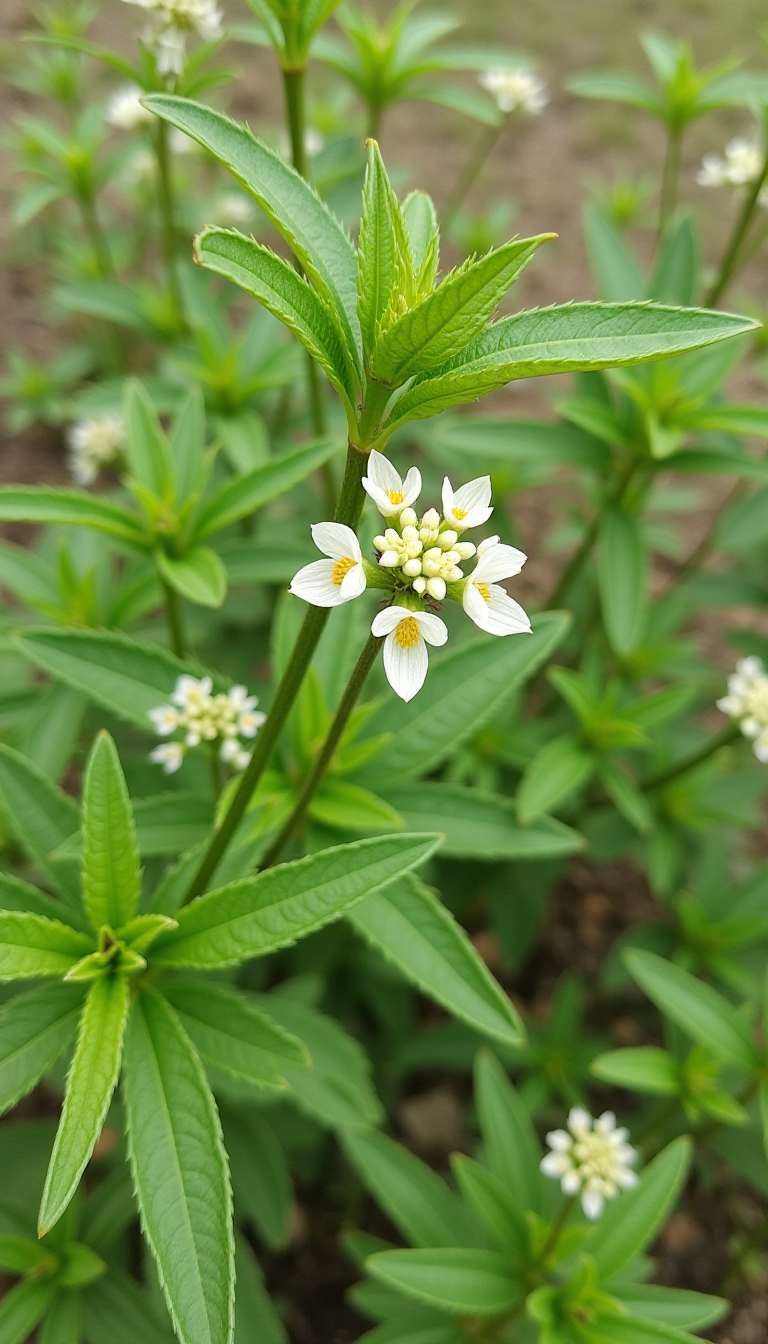

The sweet, aromatic seed that soothes digestion
Anise tea, made from the seeds of the Pimpinella anisum plant, is a fragrant, sweet-tasting herbal infusion with a long history of medicinal use. Its distinct liquorice-like flavour comes from anethole, a volatile oil that also contributes to its therapeutic properties. Anise has been valued since ancient times in Egyptian, Greek, and Roman traditions for digestive support, respiratory relief, and general wellbeing. Modern research has begun to validate many of these traditional applications, particularly in the areas of gas relief, bloating reduction, and mild respiratory support. Whether enjoyed after meals or as a comforting evening beverage, anise seed tea offers a gentle, caffeine-free option for those seeking natural digestive comfort.
If you want to try Anise tea for the benefits mentioned above, you can view current options here → Anise Tea
Looking for a specific herbal tea? Browse the full A–Z list here:
Herbal Teas A-Z List
Get the Free Herbal Tea Shop Cheat Sheet
What anise is and how it works
Anise (Pimpinella anisum) is a flowering plant native to the eastern Mediterranean and Southwest Asia. Its small, brown seeds are harvested, dried, and used both as a culinary spice and as a herbal tea. The primary active compound in anise is anethole, a volatile oil responsible for its characteristic sweet aroma and many of its therapeutic effects. Anise also contains other bioactive compounds including flavonoids, phenolic acids, and lignans. The mechanisms through which anise exerts its effects include carminative action (relaxing digestive smooth muscle to expel trapped gas), antispasmodic properties (reducing cramping), mild expectorant effects (loosening mucus), and antimicrobial activity (inhibiting certain bacteria and fungi).
Key health benefits of anise
Gas and bloating relief is one of the most well-established uses of anise seed. As a carminative herb, anise helps relax the digestive tract, allowing trapped gas to pass and reducing the uncomfortable sensation of bloating. It is particularly effective when consumed after heavy or gas-producing meals.
Digestive support extends beyond gas relief. Anise can help stimulate digestive secretions, easing indigestion and reducing feelings of fullness. It has been traditionally used to relieve colic in infants (when consumed by breastfeeding mothers) and to settle upset stomachs.
Respiratory support is another traditional use of anise. Its expectorant properties help loosen mucus, making it useful for mild coughs, bronchitis, and congestion. The warm, soothing quality of anise seed tea can also help calm throat irritation.
Mild antispasmodic effects help relieve cramping in the digestive tract and may also ease menstrual cramps in some individuals. This makes anise seed a useful option for periodic discomfort.
Antimicrobial properties have been demonstrated in laboratory studies, where anise oil has shown activity against certain bacteria and fungi. While tea is less concentrated than oil, regular consumption may offer mild protective benefits.
Sleep support is a less common but traditional use of anise. Its calming properties may help promote relaxation when consumed before bed, particularly when combined with other soothing herbs like chamomile especially if the insomnia is due to anxiety and stress.
Many people keep Anise tea on hand for these reasons — you can check available loose leaf & tea bag options here → Anise Tea
How to prepare anise seed tea
Anise seed tea can be prepared from whole or crushed seeds. Hot preparation: Gently crush one to two teaspoons of anise seeds to release their volatile oils. Steep in freshly boiled water for 5–10 minutes. Longer steeping produces a stronger, more pronounced flavour. Straining: Use a tea infuser or strainer to remove the seeds before drinking. Sweetening: Anise has a naturally sweet flavour, but honey can be added for additional sweetness and soothing properties. Cold preparation: Anise tea can be brewed hot and then chilled for a refreshing iced beverage.
How to use anise seed safely
Anise seed is generally safe for most people when consumed in moderate amounts – one to three cups daily. However, several precautions apply:
Pregnancy and breastfeeding: Anise is traditionally used in small amounts as a culinary spice, but medicinal doses should be avoided during pregnancy. Breastfeeding mothers should consult a healthcare provider before regular use.
Allergies: Individuals allergic to plants in the Apiaceae family (which includes fennel, celery, carrot, and mugwort) may also react to anise seed. Discontinue use if any allergic symptoms appear.
Medication interactions: Anise may interact with certain medications, including those metabolised by the liver (CYP450 system). It may also have mild estrogenic effects, so those with hormone-sensitive conditions should use caution.
Children: Anise tea is generally safe for older children in small amounts, but infants should not be given anise tea directly. Nursing mothers consuming anise may pass small amounts through breast milk.
Essential oil warning: Anise essential oil is highly concentrated and should never be ingested. Only use whole or crushed seeds for tea.
Recommended dosage
For digestive support, one cup of anise seed tea after meals is typically sufficient. For respiratory symptoms, two to three cups daily may be consumed during acute illness. As with all herbal teas, consistency over time matters more than quantity, and moderate use is preferable to excessive intake.
Limitations of anise
Anise seed tea is not a substitute for medical treatment, particularly for serious digestive disorders, respiratory infections, or hormonal conditions. Its effects are mild and work best as part of a broader approach to health. Individual responses vary, and some people may not experience significant relief from symptoms. Claims that anise “cures” colic, coughs, or digestive disorders are unsupported; it is best understood as a supportive tool.
FAQ
Does anise tea help with gas and bloating?
Yes. Anise is a traditional carminative herb that helps relax the digestive tract, allowing trapped gas to pass and reducing bloating.
Is anise tea safe during pregnancy?
Culinary amounts are generally considered safe, but medicinal doses (strong tea consumed regularly) should be avoided during pregnancy. Consult a healthcare provider before use.
What does anise tea taste like?
Anise tea has a sweet, liquorice-like flavour with warm, aromatic undertones. It is naturally sweet and does not usually require added sugar or honey.
Can anise tea help with coughs?
Anise has mild expectorant properties that may help loosen mucus and soothe throat irritation, making it useful for mild coughs and congestion.
Is anise the same as star anise?
No. Anise (Pimpinella anisum) is a different plant from star anise (Illicium verum), though both contain anethole and have similar flavours. They are not interchangeable medicinally.
Conclusion
Anise tea offers a sweet, aromatic, and effective natural remedy for digestive discomfort, particularly gas and bloating. Its carminative and antispasmodic properties help relax the digestive tract, while its mild expectorant effects support respiratory health. Used consistently after meals or during periods of digestive upset, anise provides gentle, reliable relief. As with all herbal remedies, moderation and awareness of individual health conditions are key to safe and effective use.
Further Reading
For a full evidence-based overview of herbal tea benefits, safety, and quality considerations, read our complete guide to Herbal Tea Benefits
1] For information on other carminative herbs, see:
Herbal Teas to Aid Digestion
2] To explore more options for gas relief, see
Herbal Tea for Gas Relief
3] For safety guidance on herbal teas, see:
Are Herbal Teas Safe?
4] Can herbal teas help with the relief of stress and anxiety?
Best Herbal Teas for Anxiety and Stress Relief
Visit our bookshop to check out the ‘culturally grounded, Otherworldly narratives’ by Owen Jones.
Recommended Products
If you’d like to try anise yourself, using a good-quality source that delivers worldwide makes a real difference.
Anise seeds (loose leaf): https://amzn.to/4sHROpc
Anise tea bags: https://amzn.to/4bWvzol
Manuka Honey: https://amzn.to/47p7i9g
High-quality Garlic press: https://amzn.to/4sFBsxD
Tea infuser: https://amzn.to/4lAToGE
Glass teapot: https://amzn.to/4snGsGY
Storage boxes: https://amzn.to/47UQgQf
Assortment Box: https://amzn.to/3NFO9ZJ
References
1] National Center for Complementary and Integrative Health (NCCIH) – Herbal Medicine
Provides evidence-based safety information on herbal products.
2] European Medicines Agency – Aniseed
Offers regulatory and safety assessments for aniseed preparations.
3] National Health Service (NHS) – Bloating and Gas
Provides medical guidance on digestive symptoms and self-care.
Looking for a specific herbal tea? Browse the full A–Z list here:
Herbal Teas A-Z List
Get the Free Herbal Tea Shop Cheat Sheet