
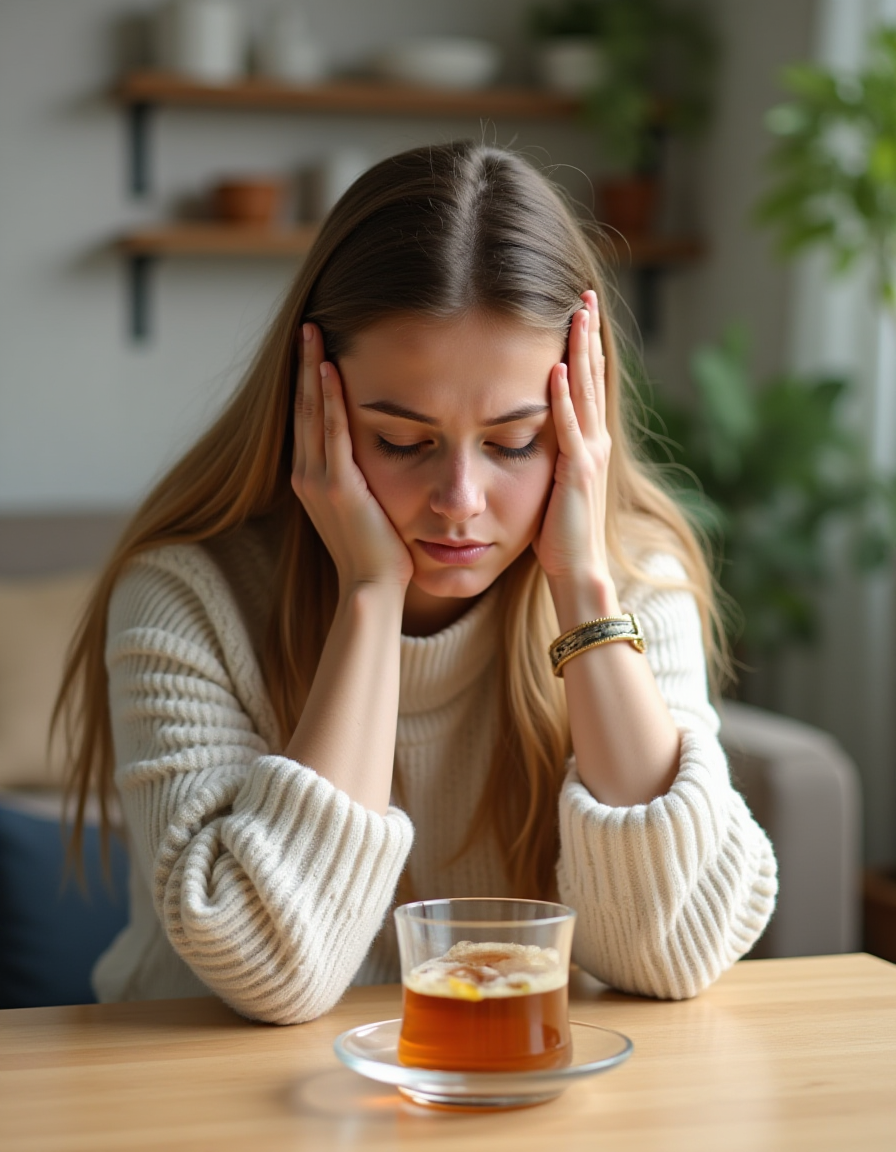

How the right herbal tea can support calm and relaxation
The institutional health industry spends billions convincing you that the answer to anxiety and stress is in a pill. A prescription. A quick fix. But true resilience does not come from masking symptoms. It comes from supporting the nervous system from within. Herbal teas for anxiety and stress relief offer a gentle, natural way to restore balance without the side effects of pharmaceutical options. Certain herbs contain compounds that influence neurotransmitter activity, reduce physical tension, and help the body adapt to chronic stress. Unlike sedatives that force relaxation or stimulants that mask fatigue, these teas work with your body – nervines to calm overactive pathways, adaptogens to build long-term resilience, and antispasmodics to release physical tightness. By choosing the right herbs for the specific symptoms of your condition and drinking them consistently, you can reduce your anxiety and stress, ease nervous tension, and build lasting calm. No prescription required.
Anxiety and Stress Relief Support Topics:
01] General Anxiety
02] Nervous Tension
03] Panic Symptoms
04] Social Anxiety
05] Stress Management
06] Home – Anxiety and Stress Relief
07] Home – Herbal Tea Benefits
08] Herbal Tea Articles
09] Herbal Teas Index
10] Herbal Tea Shop
If you’d like to try the teas mentioned in these articles for yourself, we’ve curated a selection of high-quality, tested sources below. Every product we recommend has been chosen for purity and potency, or visit our online Herbal Tea Shop for even more choice.
Looking for a specific herbal tea? Browse the full A–Z list here:
Herbal Teas A-Z List
Get the Free Herbal Tea Shop Cheat Sheet
How herbal teas support anxiety and stress relief
How herbal teas support anxiety and stress relief
The best herbal teas for anxiety and stress relief work through several physiological pathways that address both the mind and the body.
- Nervine herbs directly influence the nervous system, helping to calm overactive neural pathways and reduce the feeling of being constantly on edge.
- Adaptogenic herbs help the body resist the effects of chronic stress by modulating cortisol levels and supporting adrenal function, building resilience over weeks of consistent use.
- Anxiolytic herbs influence neurotransmitter activity, particularly GABA, which promotes relaxation and reduces the intensity of fear responses.
- Antispasmodic herbs reduce physical tension and muscle tightness, addressing the clenched jaw, tight shoulders, and shallow breathing that accompany stress.
- Sedative herbs support restful sleep, breaking the cycle where anxiety and stress disrupts sleep and poor sleep worsens anxiety.
The most effective approach often combines herbs from multiple categories, using adaptogens for long-term resilience and nervines for acute relief.
The best herbal teas for anxiety and stress relief
Ashwagandha tea is an adaptogenic herb that helps the body resist the effects of chronic anxiety and stress. Studies suggest it can significantly reduce cortisol levels and improve stress resilience. Unlike acute anxiolytics that work quickly but temporarily, ashwagandha works cumulatively, with benefits typically becoming noticeable after two to four weeks of consistent daily use. It is particularly useful for individuals who feel exhausted but unable to relax. Ashwagandha has a slightly bitter, earthy flavour that is often improved with honey or a cinnamon stick.
Chamomile tea is one of the most widely recognised and effective herbal teas for anxiety and stress relief. Its primary active compound, apigenin, binds to GABA receptors in the brain, producing mild calming effects. Chamomile is particularly effective for generalised anxiety and mild sleep disturbances, and is often recommended as an evening beverage to wind down after stressful days. Unlike pharmaceutical sedatives, chamomile does not cause dependency or significant next-day drowsiness, making it suitable for regular use.
Green tea contains L-theanine, an amino acid that promotes relaxation without drowsiness. While it contains caffeine, the L-theanine content offsets the stimulant effects, producing a state of calm alertness. This makes green tea ideal for daytime use when focus is still required. L-theanine increases alpha brain wave activity, which is associated with relaxed alertness similar to meditation. Unlike coffee, which can exacerbate anxiety in sensitive individuals, the caffeine in green tea is buffered by L-theanine, reducing the risk of overstimulation.
Hibiscus tea has been studied for its ability to lower blood pressure, which is often elevated during periods of chronic anxiety and stress. Its high antioxidant content also helps protect the body from oxidative damage caused by stress hormones. While not a direct nervous system sedative, reducing physiological markers like blood pressure can have a meaningful impact on overall anxiety perception. For those who find purely calming teas too sedating, hibiscus offers an uplifting alternative.
Holy Basil (Tulsi) tea is another adaptogenic herb that helps the body adapt to physical and emotional stress. It has been shown to reduce cortisol levels and promote a sense of calm. Unlike some adaptogens that can be stimulating, tulsi has a balancing effect, helping to calm the nervous system without causing drowsiness. Its warm, clove-like, slightly peppery flavour makes it a comforting beverage, particularly during stressful periods. Regular tulsi consumption may help build long-term resilience.
Lavender tea is well known for its calming aroma, but drinking lavender tea also provides internal benefits. Studies suggest lavender can reduce symptoms of anxiety and stress, particularly generalised anxiety disorder. Lavender contains linalool and linalyl acetate, compounds that have been shown to reduce anxiety in both animal and human studies. Because lavender can have mild sedative effects, it is best consumed in the evening rather than before activities requiring alertness.
Lemon balm tea is renowned for its ability to reduce nervous tension and promote calm. It influences GABA activity in the brain and has been studied for its effects on mood and cognitive performance. Lemon balm is particularly useful when stress-related symptoms are accompanied by restlessness or difficulty concentrating. Research suggests that lemon balm can improve calmness and reduce feelings of tension. Unlike stronger sedatives, lemon balm typically does not cause drowsiness, making it suitable for daytime use.
Passionflower tea is a classic nervine, excellent for reducing racing thoughts and promoting mental calm. It increases GABA levels in the brain, similar to some anti-anxiety medications but much gentler. Passionflower is particularly useful for anxiety that interferes with sleep. Clinical studies have shown that passionflower can be as effective as certain prescription medications for generalised anxiety and stress, with fewer side effects. The tea has a mildly sweet, earthy flavour that is well tolerated.
Peppermint tea provides mental refreshment and can help reduce stress-related tension headaches. While not a direct anxiolytic, its ability to relax smooth muscle makes it useful for stress-related physical symptoms such as tight shoulders, neck, or jaw. The menthol in peppermint has been shown to reduce muscle tension. Additionally, the act of sipping peppermint tea can serve as a sensory anchor, redirecting attention away from anxious thoughts.
Rooibos tea is naturally caffeine-free and contains aspalathin, which has been shown to reduce stress hormone levels. Its mild, sweet flavour and lack of caffeine make it a safe, gentle option for daily anxiety support, suitable even for children and pregnant women. Unlike many herbal teas that can become bitter when over-steeped, rooibos remains sweet and smooth, making it forgiving for those new to tea preparation.
Valerian root tea offers more potent calming effects and is primarily used when anxiety significantly disrupts sleep. It influences GABA receptors and has been studied for its effects on sleep quality and anxiety reduction. Valerian is often combined with lemon balm or passionflower to balance its strong, earthy flavour. However, a minority of people experience paradoxical stimulation rather than sedation, so it is wise to try valerian for the first time on a night when next-day alertness is not critical.
If you’d like to try these teas for yourself, we’ve curated a selection of high-quality, tested sources below. Every product we recommend has been chosen for purity and potency, or visit our online Herbal Tea Shop for even more choice.
How to choose the best herbal tea for your personal stress needs
Selecting the best herbal tea for anxiety and stress relief depends on your specific symptoms and lifestyle.
For chronic anxiety and stress and adrenal fatigue: Ashwagandha and holy basil (Tulsi) are adaptogens that help the body build resilience to long-term stress. They require consistent daily use over weeks or months to produce noticeable benefits.
For children experiencing stress or anxiety: Rooibos and chamomile are the gentlest options. Lemon balm may also be suitable in smaller quantities. Stronger herbs like valerian and passionflower should only be used under professional guidance.
For daytime stress without drowsiness: Green tea (with L-theanine), lemon balm, and rooibos provide calm without sedation, making them suitable for work or study. These herbs support relaxation while maintaining mental clarity.
For generalised anxiety and racing thoughts: Chamomile, passionflower, and lemon balm help calm mental overactivity. They work best when consumed consistently, though acute doses can also provide relief.
For panic symptoms and acute anxiety: Passionflower has the strongest evidence for acute anxiety relief, while chamomile offers gentler support. Passionflower can be consumed at the onset of panic symptoms, with effects typically noticed within thirty minutes.
For physical tension and stress-related headaches: Peppermint and lavender address muscle tension and have mild analgesic properties. Peppermint is particularly effective for tension headaches, while lavender may be more useful for general muscle tightness.
For stress-related sleep problems: Valerian root and passionflower are most effective. Valerian is particularly useful for those who lie awake with racing thoughts, while passionflower may be better for those who wake frequently during the night.
For those who are pregnant or breastfeeding: Rooibos and chamomile are generally considered safest, though medical advice should always be sought. Valerian, passionflower, and ashwagandha are typically avoided during pregnancy.
How to use herbal teas for anxiety and stress relief effectively
Timing and consistency matter when using herbal teas for anxiety and stress relief.
For acute anxiety – sip a cup of passionflower or chamomile tea slowly, focusing on your breath. The act of drinking itself can be calming, providing a structured pause during moments of distress. Allow fifteen to thirty minutes for effects to be noticed, and repeat as needed, up to three cups daily during periods of high anxiety.
For daily maintenance – drink one to two cups of adaptogenic teas like ashwagandha or tulsi at regular times each day. Consistency is more important than quantity; a single cup at the same time daily produces better results than sporadic larger amounts. Adaptogens typically require two to four weeks of consistent use before its affects on anxiety and stress become noticeable.
For evening relaxation – consume valerian or passionflower thirty to sixty minutes before bed to prepare for restful sleep. Avoid using these teas immediately before lying down, as the liquid may disrupt sleep with nighttime bathroom visits. Create a bedtime ritual that includes brewing the tea, sitting quietly while drinking it, and then transitioning directly to sleep.
For stress-related physical symptoms – peppermint or lavender tea can be consumed when tension is noticed. Peppermint is particularly effective for tension headaches, while lavender may help with general muscle tightness. Combining the tea with gentle stretching or deep breathing enhances the benefits.
For work-related anxiety and stress – green tea or lemon balm can provide calm focus without drowsiness. Keep a cup at your desk and sip throughout the day rather than consuming large amounts at once. The ritual of pausing to drink can also serve as a micro-break, reducing cumulative anxiety.
For best results – rotate between different herbs rather than relying on a single tea. This prevents tolerance from developing and ensures you receive a broader range of beneficial compounds. For example, use chamomile on some evenings and passionflower on others, or alternate between ashwagandha and tulsi for adaptogenic support against anxiety and stress.
Brewing method matters. Most calming herbs should be steeped for five to ten minutes in freshly boiled water, covered to prevent volatile oils from escaping. Valerian root requires longer steeping – ten to fifteen minutes – to extract its active compounds. Using a tea infuser or teapot rather than a bag allows the herbs room to expand and release their full benefits.
Safety considerations
Most herbal teas for anxiety and stress relief are safe for regular use when taken as directed. However, several precautions apply.
Ashwagandha should be used with caution by those with thyroid conditions, as it can increase thyroid hormone levels. It may also interact with immunosuppressants, sedatives, and diabetes medications. Those with autoimmune disorders should consult a healthcare provider before use.
Chamomile may cause allergic reactions in individuals sensitive to ragweed, chrysanthemums, marigolds, or other plants in the Asteraceae family. Reactions can range from mild skin irritation to anaphylaxis in rare cases. Chamomile may also interact with blood-thinning medications and sedatives.
Green tea contains caffeine and may affect sleep or interact with certain medications. While L-theanine offsets some of the stimulant effects, individuals who are highly caffeine-sensitive may still experience overstimulation or insomnia. Decaffeinated green tea is available but contains lower levels of L-theanine.
Hibiscus may lower blood pressure and interact with antihypertensive medications. It can also affect estrogen levels and should be used with caution by those with hormone-sensitive conditions or during pregnancy.
Lemon balm is generally very safe but may interact with thyroid medications and sedatives. It is also a mild inhibitor of certain liver enzymes, potentially affecting how other medications are processed.
Passionflower is generally safe but may cause dizziness in sensitive individuals, particularly at higher doses. It may also interact with blood-thinning medications and sedatives. Pregnant women should avoid passionflower due to potential uterine-stimulating effects.
Valerian root may cause drowsiness and should not be combined with alcohol or sedative medications, including benzodiazepines and certain antidepressants. A small percentage of people experience paradoxical stimulation from valerian, becoming more alert rather than calmer. If this occurs, discontinue use.
Pregnant women should consult a healthcare provider before using any medicinal amounts of herbs. While rooibos and chamomile in food-grade amounts are generally considered safe, stronger herbs like valerian, passionflower, and ashwagandha are typically avoided during pregnancy.
Children and the elderly may be more sensitive to herbal effects and should start with lower doses. For children, rooibos and chamomile are the gentlest options, while stronger herbs should only be used under professional guidance.
If you are taking medication for anxiety or depression, including SSRIs, SNRIs, benzodiazepines, or MAOIs, consult your provider before adding herbal teas to your routine. Some herbs can potentiate or interfere with these medications, leading to excessive sedation or reduced effectiveness.
Never use herbal teas as a substitute for prescribed psychiatric medication for anxiety and stress without medical supervision. Abruptly discontinuing anxiety or depression medications can cause serious withdrawal symptoms or relapse. Herbal teas are best used as complementary support, not replacements.
FAQ
Are there any herbs that make anxiety and stress worse?
Yes. Stimulant herbs containing caffeine or other stimulating compounds can worsen anxiety in sensitive individuals. These include guarana, yerba mate, and some preparations of ginseng. Even green tea, despite its L-theanine content, may trigger anxiety in those highly sensitive to caffeine. Always start with small amounts of any new herb to assess individual response.
Can herbal tea really help with anxiety and stress?
Yes. Many herbal teas have been studied for their anxiolytic properties, particularly chamomile, passionflower, and lemon balm. While not a replacement for medical treatment, they can provide meaningful support for mild to moderate anxiety and stress. The effects are typically mild to moderate and work best with consistent use.
Can I drink herbal tea for anxiety and stress while taking antidepressant medication?
Some herbal teas can interact with antidepressants, particularly St. John’s wort (which should be avoided entirely). Chamomile and lemon balm are generally considered safe but may potentiate sedative effects. Always consult your healthcare provider before combining herbal teas with prescription medications. Never discontinue or reduce prescribed medication without medical supervision.
Can I drink more than one type of calming tea in a day?
Yes. Many people find that using different teas for different times of day works well. For example, green tea or lemon balm in the morning for calm focus, chamomile in the afternoon for general stress support, and valerian or passionflower in the evening for sleep preparation. Rotating between herbs also prevents tolerance.
How long does it take for herbal tea to work for anxiety and stress?
For acute anxiety and stress, passionflower and chamomile may produce noticeable effects within thirty to sixty minutes. For chronic stress and adaptogenic herbs like ashwagandha, two to four weeks of consistent daily use is typically required before benefits become noticeable. The calming ritual of preparing and drinking tea also provides immediate psychological benefits independent of the herbs’ pharmacological effects.
Is it safe to drink anxiety-relieving herbal teas every day?
Most gentle herbs like chamomile, lemon balm, and rooibos are safe for daily use. Stronger herbs like valerian and ashwagandha are best cycled or used as needed. Rotating between different herbs provides broader benefits and reduces the risk of developing tolerance. For example, use chamomile for two weeks, then switch to passionflower for two weeks, then lemon balm.
What is the best herbal tea for anxiety and stress relief after a stressful day?
Chamomile or passionflower tea are excellent choices for unwinding after a stressful day, as they help calm the nervous system and reduce racing thoughts. For those who find these too sedating, lemon balm offers a gentler alternative that still promotes relaxation.
Conclusion
The best herbal teas for anxiety and stress relief offer safe, effective support for a wide range of stress-related complaints. Chamomile excels at calming generalised anxiety. Passionflower reduces racing thoughts. Valerian promotes restful sleep. Ashwagandha builds long-term stress resilience. Lemon balm provides gentle daytime calm. By matching the herb to your specific symptoms – nervines for acute anxiety, adaptogens for chronic stress, sedatives for sleep disruption – and using them consistently, herbal tea can become a valuable part of your daily anxiety and stress management routine. As with any natural remedy, quality matters, and individual responses vary. Start with small amounts, observe how your body responds, and adjust accordingly. When used responsibly, herbal teas provide a gentle, accessible pathway to greater calm and resilience.
Recommended Products
If you’d like to try the teas mentioned in these articles for yourself, we’ve curated a selection of high-quality, tested sources below. Every product we recommend has been chosen for purity and potency, or visit our online Herbal Tea Shop for even more choice.
👉 Best to try first: Chamomile Tea
Chamomile contains apigenin, which binds to GABA receptors in the brain to reduce generalised anxiety and promote calm without dependency, making it the most versatile and well-researched choice for daily stress support.
Chamomile tea (loose leaf): https://amzn.to/3Pv6zgo
Chamomile tea bags: https://amzn.to/4bCq3XM
Ashwagandha root tea (loose leaf): https://amzn.to/4sKLQEh
Green tea (loose leaf): https://amzn.to/4lV0bLO
Green tea bags: https://amzn.to/4sx5CmB
Hibiscus tea (loose leaf): https://amzn.to/4bzVBOd
Hibiscus tea bags: https://amzn.to/40IUXZB
Lavender tea (loose leaf): https://amzn.to/4bCESLp
Lemon balm tea (loose leaf): https://amzn.to/4bA4NlH
Lemon balm tea bags: https://amzn.to/47elJNf
Passionflower tea (loose leaf): https://amzn.to/4dhmjNZ
Passionflower tea bags: https://amzn.to/4lXRdgt
Peppermint tea (loose leaf): https://amzn.to/4lIQSyi
Peppermint tea bags: https://amzn.to/3NMIelO
Rooibos tea (loose leaf): https://amzn.to/4sAltAK
Rooibos tea bags: https://amzn.to/4bJInyd
Valerian root tea (loose leaf): https://amzn.to/4sq5x43
Valerian root tea bags: https://amzn.to/4t1QQ7g
Manuka Honey: https://amzn.to/47p7i9g
Tea infuser: https://amzn.to/4lAToGE
Glass teapot: https://amzn.to/4snGsGY
High-quality Garlic press: https://amzn.to/4sFBsxD
Storage boxes: https://amzn.to/47UQgQf
Assortment Box: https://amzn.to/3NFO9ZJ
Visit our online Herbal Tea Shop for more choice!
Do you read novels? Visit our bookshop to check out the ‘culturally grounded, Otherworldly narratives’ by Owen Jones.
Looking for a specific herbal tea? Browse the full A–Z list here:
Herbal Teas A-Z List
Get the Free Herbal Tea Shop Cheat Sheet
Further Reading
For a full evidence-based overview of herbal tea benefits, safety, and quality considerations, read our complete guide to Herbal Tea Benefits
1] For detailed information on specific calming herbs, see:
Chamomile Tea
2] To understand how herbal teas support sleep, see:
Herbal Teas for Sleep
3] For information on stronger anxiety remedies, see:
Valerian Root Tea – Benefits and Risks
4] A wide-spectrum look at the best calming teas:
Best Teas for Anxiety and Stress Relief
Visit our bookshop to check out the ‘culturally grounded, Otherworldly narratives’ by Owen Jones.
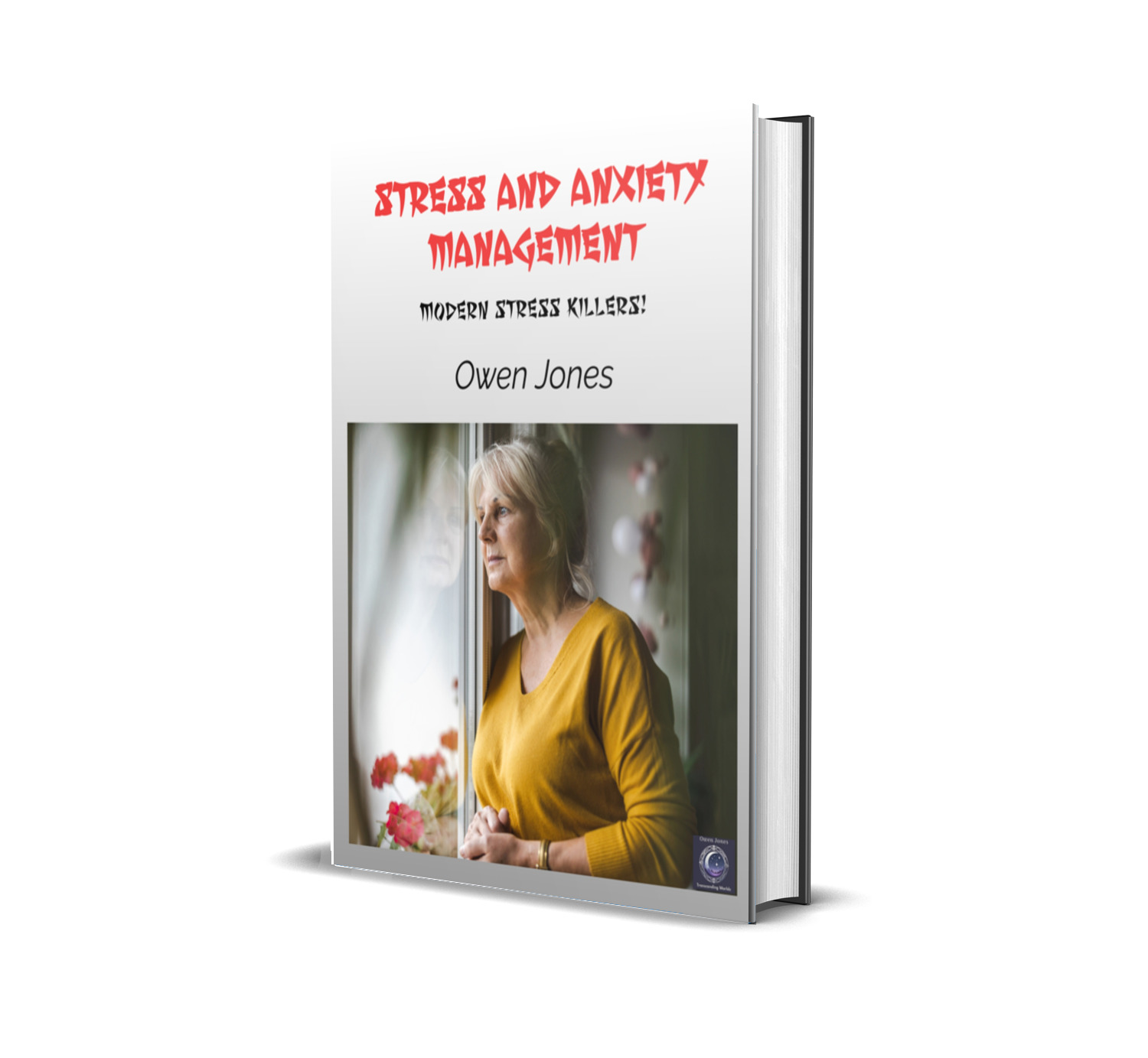
Stress and Anxiety Management
Modern Silent Killers!
References
1] National Health Service (NHS) – Anxiety Disorders
Provides medical guidance on anxiety symptoms and management.
2] National Center for Complementary and Integrative Health (NCCIH) – Chamomile
Summarises research on chamomile for anxiety and generalised anxiety disorder.
3] National Center for Complementary and Integrative Health (NCCIH) – Passionflower
Offers evidence-based information on passionflower for anxiety.
4] Cleveland Clinic – Herbal Teas for Stress Relief
Provides practical recommendations for using herbal teas to support mental wellbeing.