
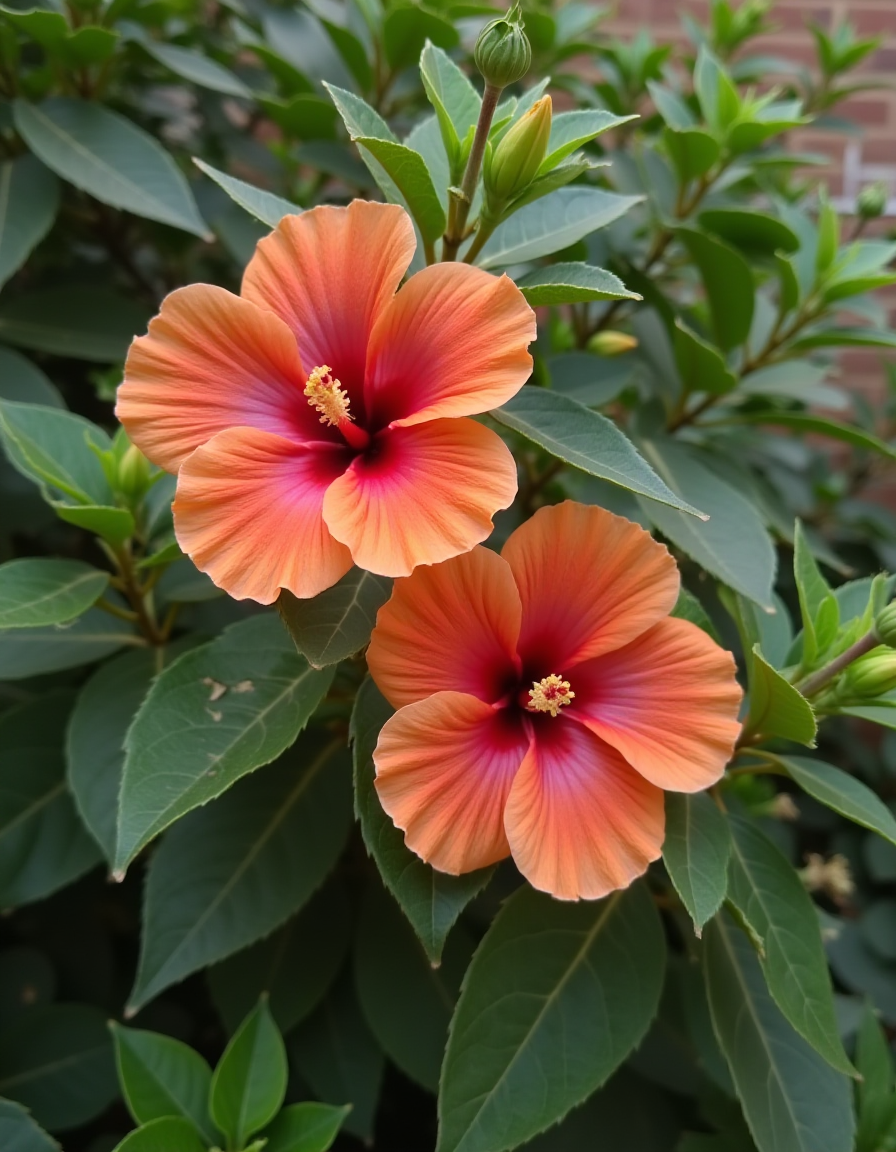

The vibrant flower that delivers powerful health benefits
Hibiscus tea, made from the dried calyces of the Hibiscus sabdariffa plant, is one of the most visually striking and well-researched herbal infusions available. The hibiscus flower’s deep ruby-red colour, tart cranberry-like flavour, and impressive range of potential health benefits have made it a staple in traditional medicine systems across Africa, the Middle East, the Caribbean, and Latin America. Modern research has begun to validate many of these traditional uses, particularly in the areas of cardiovascular health, blood pressure management, and antioxidant protection. Whether enjoyed hot or cold, the hibiscus flower offers a refreshing, caffeine-free beverage with genuine therapeutic potential.
If you want to try Hibiscus tea for cardiovascular health, you can view current options here
→ https://amzn.to/4bzVBOd
Looking for a specific herbal tea? Browse the full A–Z list here:
Herbal Teas A-Z List
Get the Free Herbal Tea Shop Cheat Sheet
What hibiscus is and how it works
Hibiscus (Hibiscus sabdariffa) is a flowering plant whose calyces – the fleshy structures that protect the flower – are harvested, dried, and used to make tea. The deep red colour comes from anthocyanins, powerful antioxidants that also give berries and red grapes their protective properties. The hibiscus flower contains a range of bioactive compounds, including polyphenols, flavonoids, and organic acids, that work together to support health. The primary mechanisms through which hibiscus exerts its effects include ACE inhibition (similar to some blood pressure medications), antioxidant activity (neutralising free radicals), diuretic effects (increasing urine output), and anti-inflammatory actions (reducing systemic inflammation).
Key health benefits of the hibiscus flower
Blood pressure support is one of the most well-documented benefits of hibiscus. Multiple clinical studies have shown that regular consumption of hibiscus tea can modestly reduce both systolic and diastolic blood pressure in people with mild to moderate hypertension. The effect is comparable to some lifestyle interventions and is attributed to the tea’s ACE-inhibiting properties and diuretic action.
Cholesterol management has also been studied. Some research suggests that the hibiscus flower may help lower LDL (“bad”) cholesterol and triglyceride levels while supporting HDL (“good”) cholesterol. These effects contribute to its reputation as a heart-healthy beverage.
Antioxidant protection is a core benefit of hibiscus. The anthocyanins and other polyphenols in hibiscus help protect cells from oxidative stress, which is involved in ageing, inflammation, and chronic disease. Regular consumption contributes to overall antioxidant defence.
Weight management support is a traditional use that has some research backing. Hibiscus may help inhibit the absorption of starches and sugars, potentially supporting healthy weight management when combined with a balanced diet.
Liver health has been studied in animal models, with some research suggesting that hibiscus flower extract may help protect liver tissue from damage. While more human research is needed, traditional use supports its role in liver support.
Anti-inflammatory effects help reduce systemic inflammation, which is linked to many chronic conditions. Hibiscus contains compounds that inhibit inflammatory pathways.
Hydration and nutrition make hibiscus an excellent choice for daily fluid intake. It is naturally caffeine-free and provides vitamin C, minerals, and bioactive compounds.
Many people keep Hibiscus on hand for when they are concerned about the above issues — you can check available tea bags here → https://amzn.to/40IUXZB
How to prepare hibiscus flower tea
Hibiscus tea can be prepared from dried calyces, which are widely available as loose leaf or in tea bags. Hot preparation: Steep one to two teaspoons of dried hibiscus (or one tea bag) in freshly boiled water for 5–10 minutes. Longer steeping produces a stronger, more tart flavour. Cold preparation: Hibiscus flowers makes an excellent cold brew. Steep in cold water in the refrigerator for 6–12 hours for a smooth, refreshing iced tea. Sweetening: The naturally tart flavour pairs well with honey, stevia, or a small amount of sugar. In many cultures, hibiscus tea is traditionally sweetened and served with ice.
How to use hibiscus safely
The hibiscus flower is generally safe for most people when consumed in moderate amounts – one to three cups daily. However, several precautions apply:
Blood pressure medication: Hibiscus can enhance the effects of blood pressure medications, potentially causing hypotension. If you take such medications, monitor your blood pressure and consult your healthcare provider.
Pregnancy and breastfeeding: Hibiscus is traditionally avoided during pregnancy, particularly in the first trimester, as it may have uterine-stimulating effects. Breastfeeding women should also exercise caution.
Surgery: The hibiscus flower may affect blood pressure and blood sugar. It is generally recommended to discontinue use two weeks before surgery.
Iron absorption: Like other tannin-rich teas, hibiscus may inhibit iron absorption when consumed with meals. Those with iron deficiency should drink it between meals.
Diabetes medications: Hibiscus may lower blood sugar, potentially enhancing the effects of diabetes medications. Monitor blood sugar levels if you have diabetes.
Recommended dosage
Most studies on hibiscus have used doses equivalent to one to three cups of tea daily, prepared with 1.5–2 grams of dried calyces per cup. Drinking more than this does not necessarily produce greater benefits and may increase the risk of side effects. Consistency over time is more important than quantity.
Limitations of hibiscus
Hibiscus flower tea is not a substitute for prescribed medication, particularly for hypertension or high cholesterol. Its effects are modest and work best alongside healthy lifestyle changes. Individual responses vary, and not everyone will experience measurable changes in blood pressure or cholesterol levels. Claims that hibiscus “cures” hypertension or heart disease are unsupported; it is best understood as a supportive tool.
FAQ
Does hibiscus tea lower blood pressure?
Yes, multiple clinical studies have shown that regular consumption of hibiscus flower tea can modestly reduce both systolic and diastolic blood pressure in people with mild to moderate hypertension.
Is hibiscus tea safe to drink every day?
For most healthy adults, drinking one to three cups daily is safe. Those taking blood pressure or diabetes medications should monitor their levels and consult their healthcare provider.
Does hibiscus tea contain caffeine?
No. Hibiscus is naturally caffeine-free, making it suitable for evening consumption and for those avoiding stimulants.
What does hibiscus tea taste like?
The hibiscus flower has a tart, cranberry-like flavour with floral undertones. It can be enjoyed hot or cold and is often sweetened to balance its natural acidity.
Can hibiscus tea help with weight loss?
Hibiscus may support weight management as part of a balanced diet by inhibiting starch and sugar absorption, but it is not a weight loss miracle. Sustainable results require overall healthy habits.
Conclusion
Hibiscus tea stands out among herbal infusions for its vibrant colour, refreshing tart flavour, and genuine evidence-based health benefits. Its ability to support healthy blood pressure, provide powerful antioxidants, and contribute to cardiovascular health makes it a valuable addition to any wellness routine. Used consistently and with appropriate precautions, hibiscus offers a delicious, caffeine-free way to support long-term health.
Further Reading
For a full evidence-based overview of herbal tea benefits, safety, and quality considerations, read our complete guide to Herbal Tea Benefits
1] To understand how hibiscus compares to green tea, see:
Hibiscus vs Green Tea
2] For information on hibiscus and cardiovascular health, see:
Does Hibiscus Tea Lower Blood Pressure?
3] To explore hibiscus and cholesterol management, see:
Hibiscus and Cholesterol
4] For skin health benefits, see:
Hibiscus as the “Botox Plant”
Visit our bookshop to check out the ‘culturally grounded, Otherworldly narratives’ by Owen Jones.
Recommended Products
If you’d like to try hibiscus yourself, using a good-quality source that delivers worldwide makes a real difference.
Hibiscus tea (loose leaf): https://amzn.to/4bzVBOd
Hibiscus tea bags: https://amzn.to/40IUXZB
Manuka Honey: https://amzn.to/47p7i9g
High-quality Garlic press: https://amzn.to/4sFBsxD
Tea infuser: https://amzn.to/4lAToGE
Glass teapot: https://amzn.to/4snGsGY
Storage boxes: https://amzn.to/47UQgQf
Assortment Box: https://amzn.to/3NFO9ZJ
References
1] National Center for Complementary and Integrative Health (NCCIH) – Hibiscus
Provides evidence-based information on hibiscus flower safety and research.
2] Journal of Nutrition – Hibiscus sabdariffa and Blood Pressure
Peer-reviewed study on hibiscus flower and blood pressure reduction.
3] Cleveland Clinic – Hibiscus Tea Benefits
Offers practical guidance on hibiscus tea and health.
4] National Health Service (NHS) – High Blood Pressure
Provides medical context on hypertension management.
Looking for a specific herbal tea? Browse the full A–Z list here:
Herbal Teas A-Z List
Get the Free Herbal Tea Shop Cheat Sheet