

The herb of wisdom for memory, menopause, and sore throats
Sage tea, made from the leaves of the Salvia officinalis plant, is a fragrant, earthy herbal infusion with a reputation stretching back thousands of years. Its very name comes from the Latin salvere, meaning “to heal” or “to save.” Sage has been called the “herb of wisdom” and was believed to confer immortality and mental acuity. Modern research has validated many of its traditional uses, particularly for memory and cognitive function, menopausal symptoms, and sore throats. Sage tea is also valued for its ability to reduce sweating, support digestion, and fight infections. Its warm, slightly bitter, camphor-like flavour is both distinctive and medicinal. For those seeking natural support for menopause, memory, or throat health, sage tea is a powerful and time-honoured remedy.
If you’d like to try these teas for yourself, we’ve curated a selection of high-quality, tested sources below. Every product we recommend has been chosen for purity and potency, or visit our online Herbal Tea Shop for even more choice.
What sage tea is and how it works
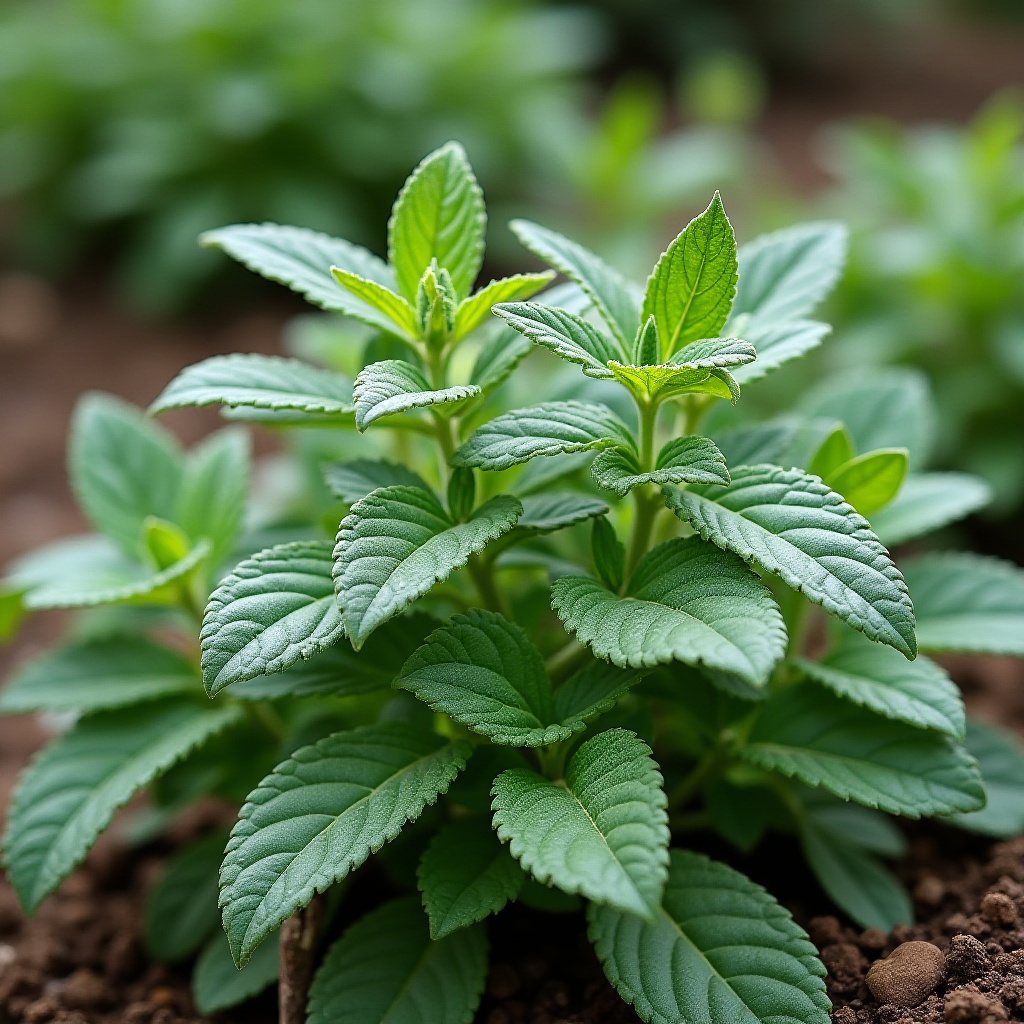
Sage (Salvia officinalis) is a perennial evergreen shrub in the mint family (Lamiaceae), native to the Mediterranean region. It has been used medicinally for thousands of years, from ancient Egyptian, Greek, and Roman times through to modern European herbalism. The name Salvia comes from the Latin salvere (“to heal” or “to save”), reflecting its long-standing reputation as a medicinal plant. In medieval Europe, sage was considered a panacea—a cure-all.
The primary active compounds in sage include rosmarinic acid, carnosic acid, carnosol, flavonoids (such as apigenin and luteolin), terpenes (including thujone, camphor, and 1,8-cineole), tannins, and phenolic acids. These compounds work through several mechanisms: estrogenic effects (mildly mimicking oestrogen, which helps with menopausal symptoms), acetylcholinesterase inhibition (increasing levels of acetylcholine, a neurotransmitter involved in memory), antimicrobial activity (fighting bacteria and fungi), anti-inflammatory effects (reducing inflammation throughout the body), antioxidant properties (protecting cells from oxidative damage), astringent effects (tightening and toning tissues), and antihidrotic effects (reducing excessive sweating). When prepared as a tea, these compounds are extracted into the water, providing a gentle but effective way to support multiple body systems.
Sage is particularly valued for three specific uses: improving memory, reducing menopausal hot flushes and night sweats, and soothing sore throats.
Key health benefits of sage tea
Menopausal symptom relief is one of the most well-documented benefits of sage tea. The oestrogenic compounds in sage help balance declining oestrogen levels during menopause, significantly reducing the frequency and severity of hot flushes and night sweats. Multiple clinical studies have shown that sage extract can reduce hot flushes by 50–80% within four to eight weeks of regular use. For women seeking natural alternatives to hormone replacement therapy, sage tea is a popular and effective choice.
Memory and cognitive function is another major benefit. Sage has been shown to improve memory and attention in healthy adults and may be beneficial for age-related cognitive decline. Like rosemary, sage inhibits the breakdown of acetylcholine, the neurotransmitter essential for memory and learning. A cup of sage tea before studying, working, or any activity requiring mental focus may enhance performance. The traditional association of sage with wisdom is supported by modern research.
Sore throat relief is a traditional use of sage tea. Its antimicrobial and anti-inflammatory properties help fight the bacteria and viruses that cause sore throats, while its astringent tannins help tighten and soothe inflamed tissues. Sage tea can be drunk or used as a gargle for direct contact with throat tissues. It is particularly effective for sore throats accompanied by excess mucus.
Excessive sweating (hyperhidrosis) can be reduced by sage tea. Sage has antihidrotic properties that help reduce sweating, including night sweats associated with menopause. This effect is thought to be due to sage’s high content of tannins and its ability to regulate the nervous system. For those who experience excessive sweating, a cup of sage tea daily may provide noticeable relief.
Digestive support is a traditional use of sage tea. Its bitter and carminative properties help stimulate digestive secretions, relieve gas and bloating, and soothe indigestion. Sage tea can be consumed after heavy meals to aid digestion.

Oral health benefits from sage’s antimicrobial and astringent properties. Sage tea can be used as a mouthwash to help kill bacteria that cause bad breath, gum disease, and tooth decay. It is a common ingredient in natural mouthwashes and toothpastes.
Antioxidant protection helps protect cells from oxidative damage. The rosmarinic acid and other compounds in sage have strong antioxidant properties that support overall health and may reduce the risk of chronic diseases.
How to prepare sage tea
Sage tea can be prepared from dried or fresh leaves.
From dried leaves: Use one to two teaspoons of dried sage leaves per cup of water. Pour freshly boiled water over the leaves and steep for 5–10 minutes. Longer steeping produces a stronger, more medicinal infusion.
From fresh leaves: Use a small handful of fresh sage leaves (about 5–10 leaves) per cup. Steep for 5–10 minutes.
Flavour: Sage tea has a warm, slightly bitter, camphor-like, and earthy flavour with notes of lemon and eucalyptus. It is distinctive and medicinal.
Blending: Sage blends well with other herbs. Classic combinations include sage with peppermint (for sore throats), sage with lemon balm (for menopause), and sage with ginger (for digestion).
Sweetening: Honey is the best sweetener for sage tea, as it adds additional soothing benefits for sore throats.
How to use sage safely
Sage tea is generally safe for most people when consumed in moderate amounts—one to three cups daily. However, several precautions apply.
Pregnancy and breastfeeding: Sage should be avoided during pregnancy in medicinal amounts (strong tea consumed regularly). It may stimulate uterine contractions and affect milk supply. Breastfeeding women should also avoid sage in large amounts, as it can reduce milk production.
Epilepsy and seizure disorders: Sage contains thujone, a compound that can trigger seizures in susceptible individuals. Those with epilepsy or seizure disorders should avoid sage tea.
Hormone-sensitive conditions: Sage has estrogenic effects. Those with hormone-sensitive conditions such as breast cancer, uterine cancer, or endometriosis should consult a healthcare provider before regular use.
Medication interactions: Sage may interact with diabetes medications (lowering blood sugar), sedatives (increasing drowsiness), and anticonvulsants (reducing effectiveness). Consult your healthcare provider.
Long-term use: Sage tea is safe for short-term use (several weeks to months). The thujone content is low in tea, but very long-term daily use should be discussed with a healthcare provider.
Children: Sage tea is generally safe for older children in small amounts for sore throats. Use half the adult amount. Consult a healthcare provider for young children.
Recommended dosage
For menopausal hot flushes and night sweats, two to three cups of sage tea daily for four to eight weeks is recommended. For memory and cognitive support, one to two cups daily. For sore throat relief, two to three cups daily during acute symptoms. For excessive sweating, one to two cups daily.
Limitations of sage tea
Sage tea is not a substitute for medical treatment, particularly for diagnosed cognitive disorders, severe menopausal symptoms, or bacterial throat infections requiring antibiotics. Its effects are mild to moderate and work best as part of a broader approach. Claims that sage “cures” memory loss or completely eliminates menopausal symptoms are unsupported; it is best understood as a supportive tool for specific conditions.
FAQ
Is sage tea good for menopause?
Yes. Sage tea has been shown in multiple clinical studies to significantly reduce the frequency and severity of hot flushes and night sweats.
Does sage tea help with memory?
Yes. Sage inhibits the breakdown of acetylcholine, a neurotransmitter essential for memory and learning. It has been shown to improve memory and attention in healthy adults.
Is sage tea safe during pregnancy?
No. Sage should be avoided during pregnancy in medicinal amounts (strong tea consumed regularly). It may stimulate uterine contractions.
What does sage taste like?
Sage tea has a warm, slightly bitter, camphor-like, and earthy flavour with notes of lemon and eucalyptus. It is distinctive and medicinal. Honey helps balance the bitterness.
Can sage help with a sore throat?
Yes. Sage tea has antimicrobial, anti-inflammatory, and astringent properties that make it excellent for sore throats. It can be drunk or used as a gargle.
Conclusion
Sage is a powerful, time-honoured herbal remedy for menopause, memory, and sore throats. Its ability to reduce hot flushes and night sweats makes it invaluable for women navigating the menopausal transition. Its effects on memory and cognitive function support its traditional reputation as the “herb of wisdom.” Its antimicrobial and astringent properties make it excellent for sore throats and oral health. The warm, slightly bitter, camphor-like flavour is an acquired taste, but for those seeking natural support for these specific conditions, sage tea is an excellent choice.
Recommended Products
If you’d like to try these teas for yourself, we’ve curated a selection of high-quality, tested sources below. Every product we recommend has been chosen for purity and potency, or visit our online Herbal Tea Shop for even more choice.
Sage tea (loose leaf): https://amzn.to/4m72prz
Sage tea bags: https://amzn.to/4bz1U4k
Peppermint tea (loose leaf): https://amzn.to/4lIQSyi (for blending)
Lemon balm tea (loose leaf): https://amzn.to/4bA4NlH (for blending)
Manuka Honey: https://amzn.to/47p7i9g
High-quality Garlic press: https://amzn.to/4sFBsxD
Tea infuser: https://amzn.to/4lAToGE
Glass teapot: https://amzn.to/4snGsGY
Storage boxes: https://amzn.to/47UQgQf
Assortment Box: https://amzn.to/3NFO9ZJ
Visit our online Herbal Tea Shop for more choice!
Do you read novels? Visit our bookshop to check out the ‘culturally grounded, Otherworldly narratives’ by Owen Jones.
Looking for a specific herbal tea? Browse the full A–Z list here:
Herbal Teas A-Z List
Get the Free Herbal Tea Shop Cheat Sheet
Further Reading
For a full evidence-based overview of herbal tea benefits, safety, and quality considerations, read our complete guide to Herbal Tea Benefits
1] For more on menopausal support, see:
Red Clover Tea
2] For memory and cognitive function, see:
Rosemary Tea
3] For sore throat relief, see:
Can Herbal Tea Help with a Sore Throat?
4] For safety guidance on herbal teas, see:
Are Herbal Teas Safe?
5] For potential interactions with medications, see:
Herbal Tea and Medication
Visit our bookshop to check out the ‘culturally grounded, Otherworldly narratives’ by Owen Jones.
References
1] National Center for Complementary and Integrative Health (NCCIH) – Sage
Provides evidence-based information on sage safety and research.
2] European Medicines Agency – Sage
Offers regulatory and safety assessments for sage preparations.
3] National Institutes of Health (NIH) – Sage and Menopause
Peer-reviewed study on sage’s effects on menopausal hot flushes.
4] Cleveland Clinic – Sage Tea Benefits
Provides practical recommendations for sage tea uses and benefits.