

The flowering herb for skin health and hormonal balance
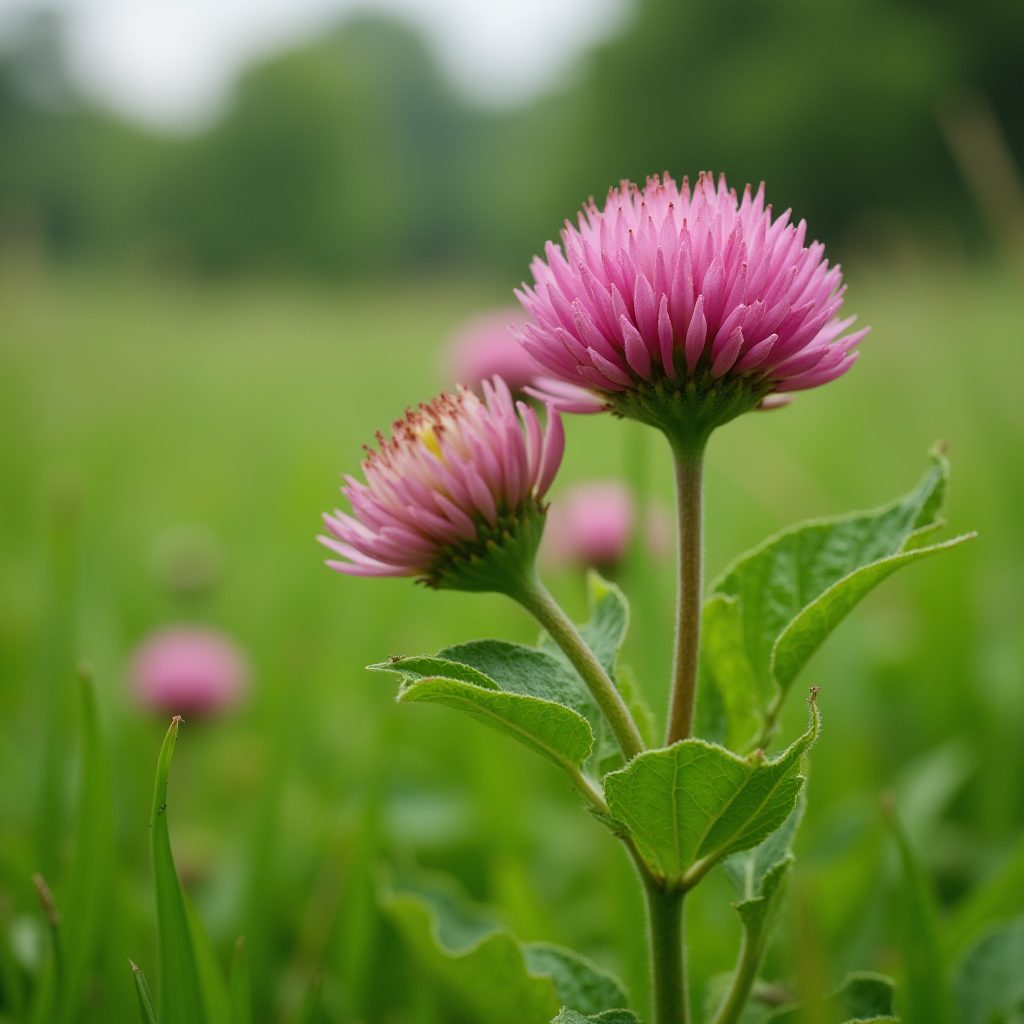
Red clover tea, made from the dried pinkish-purple flower heads of the Trifolium pratense plant, is a traditional herbal remedy with a long history of use for skin conditions, women’s health, and respiratory ailments. This common meadow plant, often seen growing wild in fields and along roadsides, is a powerful medicinal herb. Red clover is particularly valued for its phytoestrogens – plant compounds that mimic the action of oestrogen in the body – making it a popular remedy for menopausal symptoms such as hot flushes, night sweats, and mood swings. It is also renowned for its ability to support skin health, particularly for eczema, psoriasis, and acne. Red clover has blood-purifying, anti-inflammatory, and expectorant properties. The tea has a mild, sweet, hay-like, slightly floral flavour that is pleasant and soothing. For those seeking natural support for menopause, skin conditions, or respiratory health, red clover tea is a valuable addition to the herbal medicine cabinet.
If you’d like to try these teas for yourself, we’ve curated a selection of high-quality, tested sources below. Every product we recommend has been chosen for purity and potency, or visit our online Herbal Tea Shop for even more choice.
Looking for a specific herbal tea? Browse the full A–Z list here:
Herbal Teas A-Z List
Get the Free Herbal Tea Shop Cheat Sheet
What red clover tea is and how it works
Red clover (Trifolium pratense) is a perennial flowering plant in the legume (Fabaceae) family, native to Europe, Western Asia, and Northwest Africa, but now naturalised throughout North America and other temperate regions. It has been used in traditional medicine for centuries, particularly in European and Native American herbalism. The name “clover” comes from the Old English clafre, and “red” refers to the pinkish-purple colour of the flower heads.
The primary active compounds in red clover include isoflavones (phytoestrogens such as genistein, daidzein, formononetin, and biochanin A), flavonoids, coumarins, saponins, phenolic acids, and vitamins and minerals (including calcium, chromium, magnesium, and vitamin C). These compounds work through several mechanisms: phytoestrogenic effects (weakly binding to oestrogen receptors, helping to balance hormone levels), anti-inflammatory properties (reducing inflammation throughout the body), antioxidant activity (protecting cells from oxidative damage), blood-purifying effects (traditionally believed to help eliminate toxins), expectorant action (loosening mucus in the respiratory tract), and mild anticoagulant effects (slowing blood clotting). When prepared as a tea, these compounds are extracted into the water, providing a gentle but effective way to support hormonal balance, skin health, and respiratory function.
The isoflavones in red clover are the most studied compounds. These phytoestrogens are weaker than the body’s natural oestrogen but can bind to oestrogen receptors, helping to balance oestrogen levels. This makes red clover particularly useful for conditions related to hormonal fluctuations, such as menopause.
Key health benefits of red clover tea
Menopause symptom relief is one of the most well-known benefits of red clover tea. The phytoestrogens in red clover can help reduce hot flushes, night sweats, mood swings, and vaginal dryness. Several clinical studies have shown that red clover isoflavones can significantly reduce the frequency and severity of hot flushes in menopausal women. For women seeking natural alternatives to hormone replacement therapy (HRT), red clover tea is a popular choice.
Skin health and inflammatory skin conditions are another major benefit. Red clover has been traditionally used for eczema, psoriasis, acne, and other inflammatory skin conditions. Its anti-inflammatory and blood-purifying properties help calm skin inflammation and promote healing. Drinking red clover tea addresses skin conditions from within, complementing topical treatments.
Respiratory support is a traditional use of red clover. Its expectorant properties help loosen and expel mucus, making it useful for coughs, bronchitis, whooping cough, and asthma. It is often combined with other respiratory herbs such as mullein or thyme for enhanced effect.
Hormonal balance for women extends beyond menopause. Red clover may help with other hormonal imbalances, including premenstrual syndrome (PMS), irregular periods, and hormonal acne. Its phytoestrogenic effects can help regulate menstrual cycles and reduce PMS symptoms such as bloating, breast tenderness, and mood swings.
Bone health may be supported by red clover isoflavones. Some studies suggest that red clover can help maintain bone mineral density in postmenopausal women, reducing the risk of osteoporosis.
Cardiovascular support is another potential benefit. Red clover isoflavones have been shown to improve cholesterol profiles (lowering LDL and triglycerides) and improve arterial flexibility, which may reduce the risk of heart disease.
Antioxidant protection helps protect cells from oxidative damage. The flavonoids and other compounds in red clover have strong antioxidant properties that support overall health.
If you’d like to try these teas for yourself, we’ve curated a selection of high-quality, tested sources below. Every product we recommend has been chosen for purity and potency, or visit our online Herbal Tea Shop for even more choice.
How to prepare red clover tea
Red clover tea can be prepared from dried flower heads. From dried flowers: Use one to two teaspoons of dried red clover flower heads per cup of water. Pour freshly boiled water over the flowers and steep for 10–15 minutes. Longer steeping produces a stronger, more medicinal infusion. Strain well: Strain the tea through a fine mesh strainer or tea infuser to remove the flowers before drinking. Flavour: Red clover tea has a mild, sweet, hay-like, slightly floral and vanilla-like flavour. It is pleasant and soothing on its own. Blending: Red clover blends well with other herbs. Classic combinations include red clover with nettle (for skin health), red clover with peppermint (for menopause and digestive support), and red clover with mullein (for respiratory conditions). Sweetening: Additional sweetening is usually unnecessary, but honey can be added.
How to use red clover tea safely
Red Clover tea is generally safe for most people when consumed in moderate amounts – one to three cups daily. However, several precautions apply.
Pregnancy and breastfeeding: Red clover should be avoided during pregnancy and breastfeeding due to its phytoestrogenic effects, which may affect foetal development and hormonal balance in infants.
Hormone-sensitive conditions: Because red clover has oestrogenic effects, individuals with hormone-sensitive conditions such as breast cancer, ovarian cancer, uterine cancer, endometriosis, or uterine fibroids should consult a healthcare provider before use. Some studies suggest that phytoestrogens may be protective against certain cancers, but others advise caution.
Blood thinners: Red clover has mild anticoagulant (blood-thinning) properties. If you take warfarin, aspirin, or other anticoagulants, consult your healthcare provider before regular use. Discontinue at least two weeks before surgery.
Bleeding disorders: Those with bleeding disorders should use red clover with caution.
Hormonal contraceptives and HRT: Red clover may interact with hormonal contraceptives and hormone replacement therapy. Consult your healthcare provider.
Allergies: Red clover is in the legume (Fabaceae) family, which includes peanuts, soybeans, peas, and alfalfa. Individuals with known allergies to legumes may react to red clover.
Children: Red clover tea should be used with caution in children due to its phytoestrogenic effects. Consult a healthcare provider.
Recommended dosage
For menopause symptom relief, two to three cups of red clover tea daily is recommended. For skin conditions, one to two cups daily over several weeks or months. For respiratory support, one to two cups daily during illness. Benefits for menopause typically become noticeable after several weeks of consistent daily use.
Limitations of red clover tea
Red clover tea is not a substitute for medical treatment, particularly for diagnosed hormone-sensitive conditions, severe menopausal symptoms, or serious skin diseases. Its effects are mild and work best as part of a broader approach that includes a balanced diet, exercise, and appropriate medical care. Claims that red clover “cures” cancer or completely eliminates menopausal symptoms are unsupported; it is best understood as a supportive tool for hormonal balance and skin health.
FAQ
Is red clover tea good for menopause?
Yes. Red clover contains phytoestrogens that can help reduce hot flushes, night sweats, and other menopausal symptoms. Several clinical studies support its use.
Can red clover tea help with eczema and psoriasis?
Yes. Red clover has been traditionally used for inflammatory skin conditions, including eczema and psoriasis. Its anti-inflammatory and blood-purifying properties help calm skin inflammation.
Is red clover tea safe during pregnancy?
No. Red clover should be avoided during pregnancy due to its phytoestrogenic effects. Consult your healthcare provider.
Does red clover tea have side effects?
Red clover tea is generally safe for most people in moderate amounts. However, it may cause mild side effects such as headache, nausea, or rash in sensitive individuals. Those with hormone-sensitive conditions or on blood thinners should consult a healthcare provider.
What does red clover tea taste like?
Red clover tea has a mild, sweet, hay-like, slightly floral and vanilla-like flavour. It is pleasant and soothing on its own.
Conclusion
Red Clover tea is a gentle, versatile, and traditionally valued herbal remedy for women’s health, skin conditions, and respiratory support. Its phytoestrogenic properties make it particularly useful for menopausal symptoms such as hot flushes and night sweats. Its anti-inflammatory and blood-purifying effects support skin health in conditions like eczema and psoriasis. Its expectorant properties help clear respiratory congestion. The mild, sweet, hay-like flavour is pleasant and soothing. Used appropriately and with awareness of its contraindications (pregnancy, hormone-sensitive conditions, blood thinners), red clover tea can be a valuable addition to the home medicine cabinet.
Recommended Products
If you’d like to try these teas for yourself, we’ve curated a selection of high-quality, tested sources below. Every product we recommend has been chosen for purity and potency, or visit our online Herbal Tea Shop for even more choice.
Red Clover tea (loose leaf): https://amzn.to/4rJZnud
Red Clover tea bags: https://amzn.to/4tlqnSm
Nettle tea (loose leaf): https://amzn.to/4bHUsnA (for blending)
Peppermint tea (loose leaf): https://amzn.to/4lIQSyi (for blending)
Mullein tea bags: https://amzn.to/4cqjbxk (for blending)
Manuka Honey: https://amzn.to/47p7i9g
Tea infuser: https://amzn.to/4lAToGE
Glass teapot: https://amzn.to/4snGsGY
High-quality Garlic press: https://amzn.to/4sFBsxD
Storage boxes: https://amzn.to/47UQgQf
Assortment Box: https://amzn.to/3NFO9ZJ
Visit our online Herbal Tea Shop for more choice!
Do you read novels? Visit our bookshop to check out the ‘culturally grounded, Otherworldly narratives’ by Owen Jones.
Looking for a specific herbal tea? Browse the full A–Z list here:
Herbal Teas A-Z List
Get the Free Herbal Tea Shop Cheat Sheet
Further Reading
For a full evidence-based overview of herbal tea benefits, safety, and quality considerations, read our complete guide to Herbal Tea Benefits
1] For more on skin inflammation, see:
Skin Inflammation
2] For hormonal acne, see:
Spearmint Tea
3] For respiratory support, see:
Respiratory Inflammation
4] For safety guidance on herbal teas, see:
Are Herbal Teas Safe?
5] For potential interactions with medications, see:
Herbal Tea and Medication
Visit our bookshop to check out the ‘culturally grounded, Otherworldly narratives’ by Owen Jones.
References
1] National Center for Complementary and Integrative Health (NCCIH) – Red Clover
Provides evidence-based information on red clover safety and research.
2] European Medicines Agency – Red Clover
Offers regulatory and safety assessments for red clover preparations.
3] National Health Service (NHS) – Menopause
Provides medical guidance on menopause symptoms and management.
4] Cleveland Clinic – Red Clover for Menopause
Provides practical recommendations for using red clover for menopausal symptoms.