
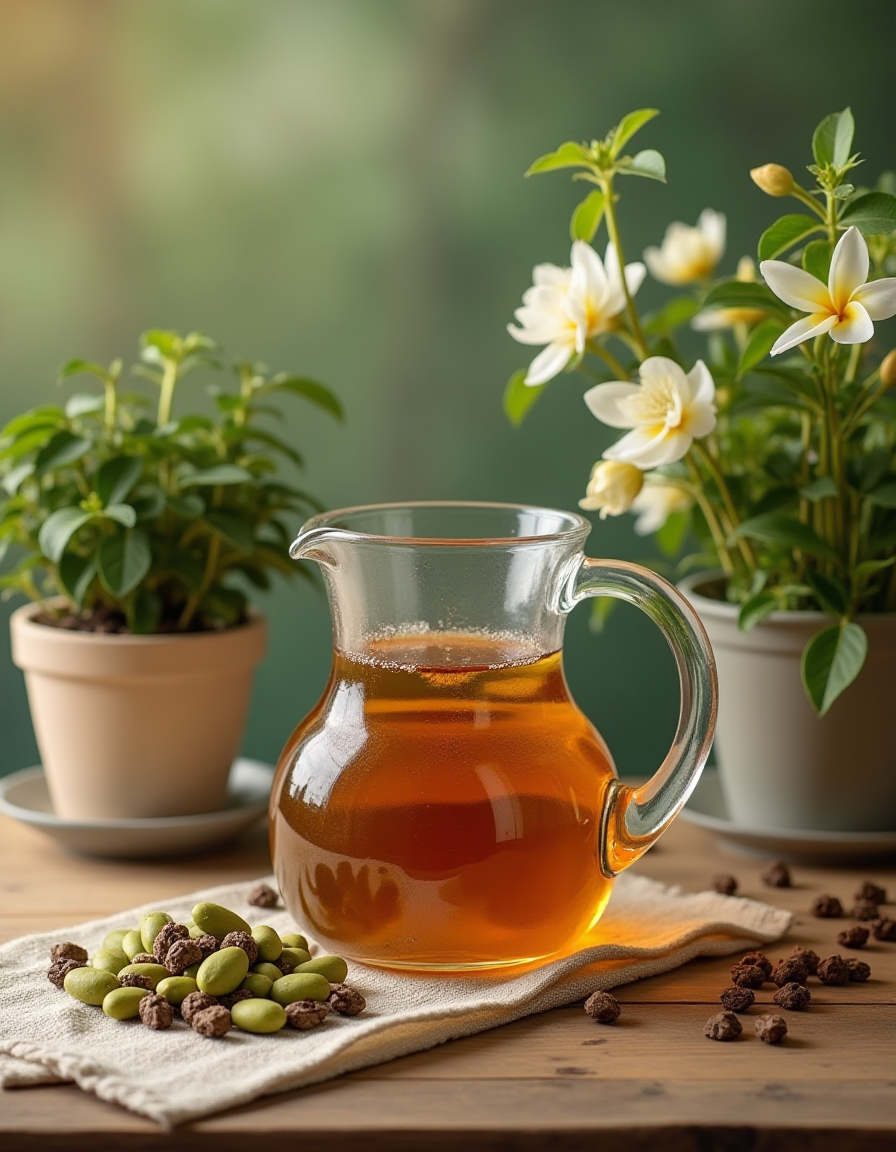

The warming spice that soothes digestion and freshens breath
Cardamom tea, made from the seeds of the Elettaria cardamomum plant, is a fragrant, warming herbal infusion with a complex flavour profile that is simultaneously sweet, spicy, citrusy, and slightly floral. Often called the “queen of spices,” cardamom has been treasured for thousands of years in Ayurvedic and traditional Chinese medicine, as well as in the culinary traditions of India, the Middle East, and Scandinavia. Its primary reputation is as a digestive aid, but cardamom tea offers much more: it can freshen breath, support respiratory health, help regulate blood pressure, and provide powerful antioxidant protection. Unlike some digestive herbs that can be harsh or bitter, cardamom is pleasantly aromatic and naturally caffeine-free, making it a delightful addition to any daily wellness routine.
If you’d like to try these teas for yourself, we’ve curated a selection of high-quality, tested sources below. Every product we recommend has been chosen for purity and potency, or visit our online Herbal Tea Shop for even more choice.
Looking for a specific herbal tea? Browse the full A–Z list here:
Herbal Teas A-Z List
Get the Free Herbal Tea Shop Cheat Sheet
What cardamom tea is and how it works
Cardamom (Elettaria cardamomum) is a perennial plant in the ginger family, native to the Western Ghats of southern India. Its small, pod-like fruits contain dozens of tiny black seeds, which are the source of cardamom’s distinctive flavour and therapeutic properties. There are two main varieties: green cardamom (Elettaria cardamomum), which is the true cardamom most commonly used in teas and cooking, and black cardamom (Amomum subulatum), which has a larger, darker pod and a smokier, more camphor-like flavour. Green cardamom is the variety typically used for tea.
The primary active compounds in cardamom include terpenes (such as terpinene and terpineol), flavonoids, and volatile oils (primarily cineole and limonene). These compounds work through several mechanisms: carminative action (relaxing digestive smooth muscle to expel trapped gas), antispasmodic properties (reducing cramping), antimicrobial effects (inhibiting bacteria in the mouth and digestive tract), antioxidant activity (neutralising free radicals), and anti-inflammatory effects (reducing inflammation throughout the body). When prepared as a tea, these compounds are extracted into the water, providing a gentle but effective way to support digestive and overall health.
Key health benefits of cardamom tea
Digestive support is the most well-known benefit of cardamom tea. As a carminative, cardamom helps relax the digestive tract, allowing trapped gas to pass and reducing bloating and abdominal discomfort. It also has antispasmodic properties that can help relieve cramping. Unlike peppermint, which can worsen acid reflux, cardamom is generally safe for those with heartburn. In Ayurvedic medicine, cardamom is considered a “digestive fire” herb, meaning it helps stoke the digestive system without irritating it. A cup of cardamom tea after a heavy meal can ease that uncomfortable, overfull feeling.
Bad breath (halitosis) treatment is a traditional use of cardamom that has been validated by modern research. Cardamom’s antimicrobial compounds help kill the bacteria responsible for bad breath. In many cultures, cardamom pods are chewed after meals as a natural breath freshener. Drinking cardamom tea provides similar benefits, and gargling with cooled cardamom tea can be particularly effective. The pleasant, spicy-sweet flavour also helps mask any existing odour.
Respiratory health benefits from cardamom’s expectorant and bronchodilatory properties. The cineole in cardamom helps loosen mucus and may help open airways, making it useful for coughs, congestion, and mild asthma. Cardamom tea can be particularly soothing during colds and respiratory infections, helping to clear phlegm and ease breathing.
Blood pressure regulation has been suggested by some research. Cardamom appears to have mild diuretic and antioxidant effects that may help lower blood pressure. One small study found that participants who consumed cardamom powder daily for twelve weeks experienced significant reductions in systolic and diastolic blood pressure. While more research is needed, these findings are promising.
Antioxidant protection is another significant benefit. Cardamom is rich in flavonoids and other antioxidant compounds that help protect cells from oxidative damage caused by free radicals. This protective effect supports overall health and may reduce the risk of chronic diseases associated with ageing and inflammation.
Anti-inflammatory effects help reduce systemic inflammation, which is linked to numerous health conditions including heart disease, arthritis, and metabolic syndrome. The terpenes and flavonoids in cardamom have demonstrated anti-inflammatory activity in both laboratory and animal studies.
Blood sugar support has been suggested by preliminary research. Some studies indicate that cardamom may help improve insulin sensitivity and reduce blood sugar levels, though more human research is needed. For individuals with diabetes or prediabetes, cardamom tea may offer modest supportive benefits alongside conventional treatment.
How to prepare cardamom tea
Cardamom tea can be prepared from whole pods or ground powder. From whole pods: Gently crush 3–5 green cardamom pods to crack the outer shell and release the seeds. Place the crushed pods in a cup or teapot and pour freshly boiled water over them. Steep for 5–10 minutes. Longer steeping produces a stronger, more intense flavour. From ground cardamom: Use one-quarter to one-half teaspoon of ground cardamom per cup of water. Steep for 5–10 minutes, then strain through a fine mesh strainer or coffee filter to remove sediment. Traditional method (decoction): For a stronger extraction, simmer crushed cardamom pods in water for 10–15 minutes. This method extracts more of the volatile oils and produces a richer flavour. Blending: Cardamom tea blends beautifully with black tea (for chai), green tea, ginger, cinnamon, cloves, and fennel. A simple blend of cardamom and ginger is particularly effective for digestion. Sweetening: Cardamom has a naturally sweet flavour, but honey or a cinnamon stick can be added for additional sweetness.
How to use cardamom tea safely
Cardamom tea is generally safe for most people when consumed in moderate amounts—one to three cups daily. However, several precautions apply.
Gallstones: Cardamom may stimulate bile production. Individuals with gallstones or bile duct obstruction should consult a healthcare provider before regular use.
Pregnancy and breastfeeding: Cardamom is generally considered safe in culinary amounts. However, medicinal doses (strong tea consumed regularly in large quantities) should be discussed with a healthcare provider. Some traditional sources suggest avoiding large amounts during pregnancy.
Blood thinners: Cardamom may have mild blood-thinning properties. If you take warfarin, aspirin, or other anticoagulants, consult your healthcare provider before regular use.
Blood pressure and diabetes medications: Cardamom may lower blood pressure and blood sugar. If you take medications for hypertension or diabetes, monitor your levels when adding cardamom tea to your routine.
Allergies: Cardamom is in the ginger family (Zingiberaceae), which includes ginger and turmeric. Individuals with known allergies to these plants may also react to cardamom.
Recommended dosage
For general wellness and digestive support, one to two cups of cardamom tea daily is sufficient. For more targeted support – such as freshening breath, easing respiratory congestion, or supporting blood pressure – two to three cups daily may be consumed. Cardamom is very safe, and benefits can be noticed both acutely (after a meal) and cumulatively (with regular use).
Limitations of cardamom tea
Cardamom tea is not a substitute for medical treatment, particularly for hypertension, diabetes, or respiratory infections. Its effects are mild and work best as part of a broader approach that includes a balanced diet, regular exercise, and prescribed medication when needed. Claims that cardamom “cures” high blood pressure, diabetes, or respiratory diseases are unsupported; it is best understood as a supportive tool for overall health.
FAQ
Is cardamom tea good for digestion?
Yes. Cardamom is a traditional carminative that helps relax the digestive tract, reduce gas and bloating, and relieve cramping. It is often consumed after meals in Indian and Middle Eastern cultures.
Does cardamom tea help with bad breath?
Yes. Cardamom has antimicrobial properties that kill the bacteria responsible for bad breath. Chewing cardamom pods or drinking cardamom tea can freshen breath naturally.
Is cardamom tea safe to drink every day?
Yes, cardamom tea is very safe for daily use for most healthy adults. One to three cups daily is generally recommended.
What does cardamom tea taste like?
Cardamom tea has a complex flavour that is simultaneously sweet, spicy, citrusy, and slightly floral. It is pleasantly aromatic and naturally sweet, requiring little or no added sweetener.
Can cardamom tea lower blood pressure?
Some research suggests that cardamom may help lower blood pressure through mild diuretic and antioxidant effects. However, more research is needed, and cardamom tea should not replace blood pressure medication.
Conclusion
Cardamom tea offers a warming, aromatic, and health-supporting beverage with genuine benefits for digestion, breath freshness, respiratory health, and cardiovascular support. Its complex, pleasant flavour makes it a joy to drink, whether on its own or blended with other spices. Used after meals to ease digestion, as a natural breath freshener, or as a daily supportive tonic, cardamom tea is a versatile and delightful addition to any wellness routine.
Recommended Products
If you’d like to try these teas for yourself, we’ve curated a selection of high-quality, tested sources below. Every product we recommend has been chosen for purity and potency, or visit our online Herbal Tea Shop for even more choice.
Cardamom tea (loose leaf): https://amzn.to/4lXXusP
Cardamom tea bags: https://amzn.to/4uWFPpg
Ginger tea (loose leaf): https://amzn.to/3PmSWQw
Cinnamon tea (loose leaf): https://amzn.to/4lL23qa
Fennel tea (loose leaf): https://amzn.to/4ssAbtF
Manuka Honey: https://amzn.to/47p7i9g
High-quality Garlic press: https://amzn.to/4sFBsxD
Tea infuser: https://amzn.to/4lAToGE
Glass teapot: https://amzn.to/4snGsGY
Storage boxes: https://amzn.to/47UQgQf
Assortment Box: https://amzn.to/3NFO9ZJ
Visit our online Herbal Tea Shop for more choice!
Do you read novels? Visit our bookshop to check out the ‘culturally grounded, Otherworldly narratives’ by Owen Jones.
Looking for a specific herbal tea? Browse the full A–Z list here:
Herbal Teas A-Z List
Get the Free Herbal Tea Shop Cheat Sheet
Further Reading
For a full evidence-based overview of herbal tea benefits, safety, and quality considerations, read our complete guide to Herbal Tea Benefits
1] For more on digestive health, see:
Herbal Teas to Aid Digestion
2] For information on gas and bloating, see:
Herbal Tea for Gas Relief
3] For other warming spices, see:
Ginger Tea
4] For safety guidance on herbal teas, see:
Are Herbal Teas Safe?
Visit our bookshop to check out the ‘culturally grounded, Otherworldly narratives’ by Owen Jones.
References
1] National Center for Complementary and Integrative Health (NCCIH) – Cardamom
Provides evidence-based information on cardamom safety and research.
2] National Institutes of Health (NIH) – Cardamom and Blood Pressure
Peer-reviewed study on cardamom’s effects on blood pressure.
3] European Medicines Agency – Cardamom
Offers regulatory and safety assessments for cardamom preparations.
4] Cleveland Clinic – Health Benefits of Cardamom
Provides practical guidance on cardamom uses and benefits.
Looking for a specific herbal tea? Browse the full A–Z list here:
Herbal Teas A-Z List
Get the Free Herbal Tea Shop Cheat Sheet