


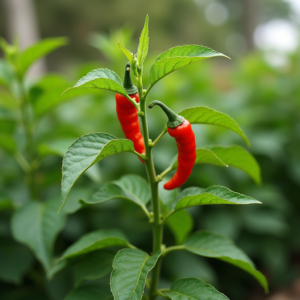
The fiery spice that wakes up your circulation and metabolism
Cayenne pepper tea is not for the timid. It is hot, spicy, and makes your eyes water. But beneath that fiery kick lies one of the most researched medicinal spices in the world. Cayenne has been used for thousands of years in traditional medicine systems across the Americas, Asia, and Europe. The active compound, capsaicin, is what gives cayenne its heat and its therapeutic properties. Unlike gentle herbal teas that you sip for pleasure, cayenne tea is typically taken as a short-term medicinal tonic for specific purposes: to boost circulation, kick-start metabolism, clear congestion, and support heart health. It is not a daily beverage. It is a tool. Used correctly, cayenne pepper tea can wake up a sluggish system. Used carelessly, it can burn your throat and upset your stomach. This is a herb that demands respect.
“If you’d like to try the above herbal teas for yourself, we’ve curated a selection of high-quality, tested sources below. Every product we recommend has been chosen for purity and potency, or visit our online Herbal Tea Shop for even more choice.”.
Looking for a specific herbal tea? Browse the full A–Z list here:
Herbal Teas A-Z List
Get the Free Herbal Tea Shop Cheat Sheet
What cayenne pepper tea is and how it works
Cayenne pepper (Capsicum annuum) is a variety of chilli pepper named after the city of Cayenne in French Guiana. The fruit is dried and ground into a fine, bright red-orange powder that is used both as a culinary spice and as a medicinal herb. The heat of cayenne is measured on the Scoville scale, with cayenne typically ranging from 30,000 to 50,000 Scoville Heat Units – significantly hotter than jalapeños.
The primary active compound in cayenne is capsaicin, which is responsible for the burning sensation when it comes into contact with mucous membranes. This same compound drives cayenne’s therapeutic effects, working through several mechanisms: vasodilation (widening blood vessels to improve circulation), thermogenesis (increasing body heat and metabolic rate), pain relief (depleting substance P, a neurotransmitter that signals pain), digestive stimulation (increasing stomach acid and enzyme production), decongestant effects (thinning mucus and opening nasal passages), and antimicrobial activity (inhibiting certain bacteria). When prepared as a tea, capsaicin and other compounds are extracted into the water, providing a potent but intense medicinal drink.
Capsaicin works by binding to TRPV1 receptors in the mouth and throat, which are normally activated by heat. This is why cayenne feels hot even when the liquid is cold – your brain is being tricked into sensing temperature that is not there . The initial burning is followed by a refractory period where sensitivity decreases, which is why regular cayenne consumption can lead to tolerance over time.
Key health benefits of cayenne pepper tea
Circulation support is one of the most well-known benefits of cayenne pepper tea. The capsaicin causes blood vessels to dilate (widen), which increases blood flow throughout the body . This warming effect can be particularly beneficial for people with cold hands and feet. Improved circulation also means more oxygen and nutrients reach the extremities, which can help with healing and reduce the feeling of coldness.
Metabolism and weight management may be supported by cayenne pepper tea. Studies have shown that adding cayenne to a meal can increase thermogenesis (calorie burning) by a small amount and may reduce hunger after meals . One study found that adding 6 to 10 grams of cayenne to a meal reduces hunger and calories consumed at subsequent meals . However, no studies have confirmed whether it leads to long-term weight loss. The effects are modest, not miraculous.
Digestive support is a traditional use of cayenne. Despite the burning sensation, cayenne actually protects the stomach lining and stimulates digestive secretions. It has been used to improve poor appetite, relieve gas and bloating, and support overall digestive function . People with active ulcers or severe heartburn should avoid it, as it may worsen their symptoms .
Nasal congestion relief is an immediate effect of cayenne pepper tea. The steam and capsaicin together thin mucus and open nasal passages, making it easier to breathe. This is why cayenne is a common ingredient in natural cold and flu remedies. A cup of cayenne tea can clear sinuses faster than many over-the-counter decongestants.
Cardiovascular support has been suggested by some research. One study found that oral capsaicin enhanced salty taste sensations, leading to lower daily salt intake and subsequent blood pressure reduction . However, a systematic review found no overall impact of cayenne on blood pressure or heart rate . The evidence is mixed, and cayenne should not replace blood pressure medication.
Pain relief is the most researched application of capsaicin, though this is almost always topical (applied to the skin) rather than oral. Capsaicin cream is used for arthritis, nerve pain, and muscle soreness. Drinking cayenne tea has not been proven effective for the same pain conditions. Arthritis and many other aches and pains tend to come with ageing; click the link to find out more.
How to prepare cayenne pepper tea
Cayenne pepper tea is not a delicate infusion. It is a potent medicinal drink. Start with a small amount and increase gradually as you build tolerance.
Basic cayenne tea: Use ¼ to ½ teaspoon of cayenne pepper powder per cup of water. Place the powder in a mug and add a small amount of cool water to make a paste (this prevents clumping). Pour freshly boiled water over the paste and stir well. Start with a very small amount (a pinch) if you are new to cayenne.
Lemon-honey cayenne tea: Add the juice of half a lemon and one teaspoon of raw honey to the basic recipe. The honey adds sweetness and soothes the throat. The lemon adds vitamin C and brightens the flavour.
Ginger-cayenne tea: Add a slice of fresh ginger or ¼ teaspoon of dried ginger powder to the brew for additional warming and anti-inflammatory effects.
Cinnamon-cayenne tea: Add a cinnamon stick or ¼ teaspoon of cinnamon powder. Cinnamon helps stabilise blood sugar and complements the spicy warmth of cayenne.
Cold preparation: For those who find hot cayenne tea too intense, the tea can be brewed hot and then chilled. The cold temperature reduces the perception of heat .
Important: Use a thermometer for best results. Water should be heated to 180-190°F – not boiling. Boiling water can make the cayenne taste bitter and harsh. Steep for 8-10 minutes .
How to use cayenne pepper tea safely
Cayenne pepper tea is safe for most healthy adults when used occasionally and in small amounts. However, several precautions apply.
Start very small. Begin with just a pinch of cayenne (⅛ teaspoon or less) to assess your tolerance. You can increase gradually. Some people are extremely sensitive to capsaicin.
Do not drink on an empty stomach. Cayenne can cause stomach pain, nausea, and diarrhoea if consumed without food. Drink cayenne tea with or after meals.
Ulcers and heartburn: People with active stomach ulcers, acid reflux, or gastritis should avoid cayenne. It may worsen their condition . The relationship between cayenne and stomach cancer is contradictory – some studies suggest increased risk, others suggest decreased risk. The current scientific evidence is inconclusive .
High blood pressure: While some studies suggest cayenne may help lower blood pressure, others have found no effect. If you have hypertension, monitor your blood pressure when using cayenne tea .
Blood thinners: Cayenne may affect platelet aggregation. Concomitant use with other blood-thinning herbs (garlic, ginkgo, ginseng) or medications may increase bleeding risk . Consult your healthcare provider if you take anticoagulants.
Pregnancy and breastfeeding: Cayenne is generally considered safe in culinary amounts. However, medicinal doses (strong tea consumed regularly) should be discussed with a healthcare provider. In breastfeeding women, cayenne may turn the baby’s skin red .
Eye and nose irritation: Do not inhale the steam directly from cayenne tea, as capsaicin is highly irritating to mucous membranes. Wash your hands thoroughly after handling cayenne powder – touching your eyes will cause severe burning .
ACE inhibitors: Exacerbation of ACE inhibitor cough has been reported in patients using topical capsaicin . If you take ACE inhibitors for blood pressure, use caution.
Recommended dosage
For most people, one cup of cayenne tea per day is sufficient. Do not exceed two cups daily. Start with ⅛ teaspoon of cayenne powder per cup and increase to ¼–½ teaspoon as tolerated. Use occasionally, not daily long-term. If you experience burning in your mouth or throat that does not subside, reduce the amount or discontinue use.
Limitations of cayenne pepper tea
Cayenne pepper tea is not a substitute for medical treatment, particularly for heart disease, diabetes, or high blood pressure. Its effects are modest and work best as part of a broader approach. Claims that cayenne “cures” circulation problems or “melts fat” are unsupported; it is best understood as a supportive tool for specific, short-term uses.
FAQ
Is cayenne pepper tea good for you?
Yes, in moderation. Cayenne can improve circulation, boost metabolism, clear congestion, and support digestion. However, it is potent and not for everyone. Start with a small amount.
Does cayenne pepper tea help with weight loss?
Cayenne may temporarily increase metabolism and reduce hunger. Studies show small increases in calorie burning after meals containing cayenne. However, it is not a weight loss miracle. The effects are modest, and no studies show long-term weight loss from cayenne alone .
Is cayenne pepper tea safe during pregnancy?
Culinary amounts are generally safe. Medicinal doses (strong tea consumed regularly) should be discussed with a healthcare provider.
What does cayenne pepper tea taste like?
It tastes like spicy hot pepper. The heat is immediate and can make your eyes water. Lemon and honey help balance the flavour. Some people love it; others find it unbearable.
Can cayenne pepper tea raise blood pressure?
Capsaicin causes blood vessels to dilate (widen), which should lower blood pressure. However, the evidence is mixed, and some people may experience a temporary increase. Monitor your blood pressure and consult your healthcare provider if you have hypertension.
Conclusion
Cayenne pepper tea is a potent, fiery medicinal drink that can improve circulation, boost metabolism, clear nasal congestion, and support digestion. It is not a gentle sipping tea. It is a short-term tool for specific purposes. Start with a tiny amount. Drink it with food. Add lemon and honey for flavour. Do not use it daily long-term. And never, ever touch your eyes after handling cayenne powder. Used correctly, cayenne pepper tea can wake up a sluggish system. Used carelessly, it will burn. Treat it with respect.
Recommended Products
If you’d like to try the above herbal teas for yourself, we’ve curated a selection of high-quality, tested sources below. Every product we recommend has been chosen for purity and potency, or visit our online Herbal Tea Shop for even more choice.
Cayenne pepper (powder): can be sourced locally
Ginger tea (loose leaf): https://amzn.to/3PmSWQw (for blending)
Cinnamon tea (loose leaf): https://amzn.to/4lL23qa (for blending)
Manuka Honey: https://amzn.to/47p7i9g
High-quality Garlic press: https://amzn.to/4sFBsxD
Tea infuser: https://amzn.to/4lAToGE
Glass teapot: https://amzn.to/4snGsGY
Storage boxes: https://amzn.to/47UQgQf
Assortment Box: https://amzn.to/3NFO9ZJ
Visit our online Herbal Tea Shop for more choice!
Do you read novels? Visit our bookshop to check out the ‘culturally grounded, Otherworldly narratives’ by Owen Jones.
Looking for a specific herbal tea? Browse the full A–Z list here:
Herbal Teas A-Z List
Get the Free Herbal Tea Shop Cheat Sheet
Further Reading
For a full evidence-based overview of herbal tea benefits, safety, and quality considerations, read our complete guide to Herbal Tea Benefits
1] For more on circulation, see:
Poor Circulation
2] For metabolism support, see:
Herbal Teas for Boosting Metabolism
3] For cold and congestion relief, see:
Respiratory Inflammation
4] For safety guidance on herbal teas, see:
Are Herbal Teas Safe?
5] For potential interactions with medications, see:
Herbal Tea and Medication
References
1] Memorial Sloan Kettering Cancer Center – Cayenne
Provides evidence-based information on cayenne safety, benefits, and interactions.
2] ScienceDirect – Capsicum Annuum
Details the pharmacological mechanisms of capsaicin and its effects on the body.
3] G. Baldwin & Co. – Cayenne for Weight Control: Dosage & Side Effects
Provides dosage information, side effects, and contradictory research on stomach cancer risk.
4] Spec-Savers – Miracle ingredient: Cayenne Pepper
Outlines the traditional health benefits of cayenne including circulation and metabolism.