

The immune-boosting flower for colds and flu
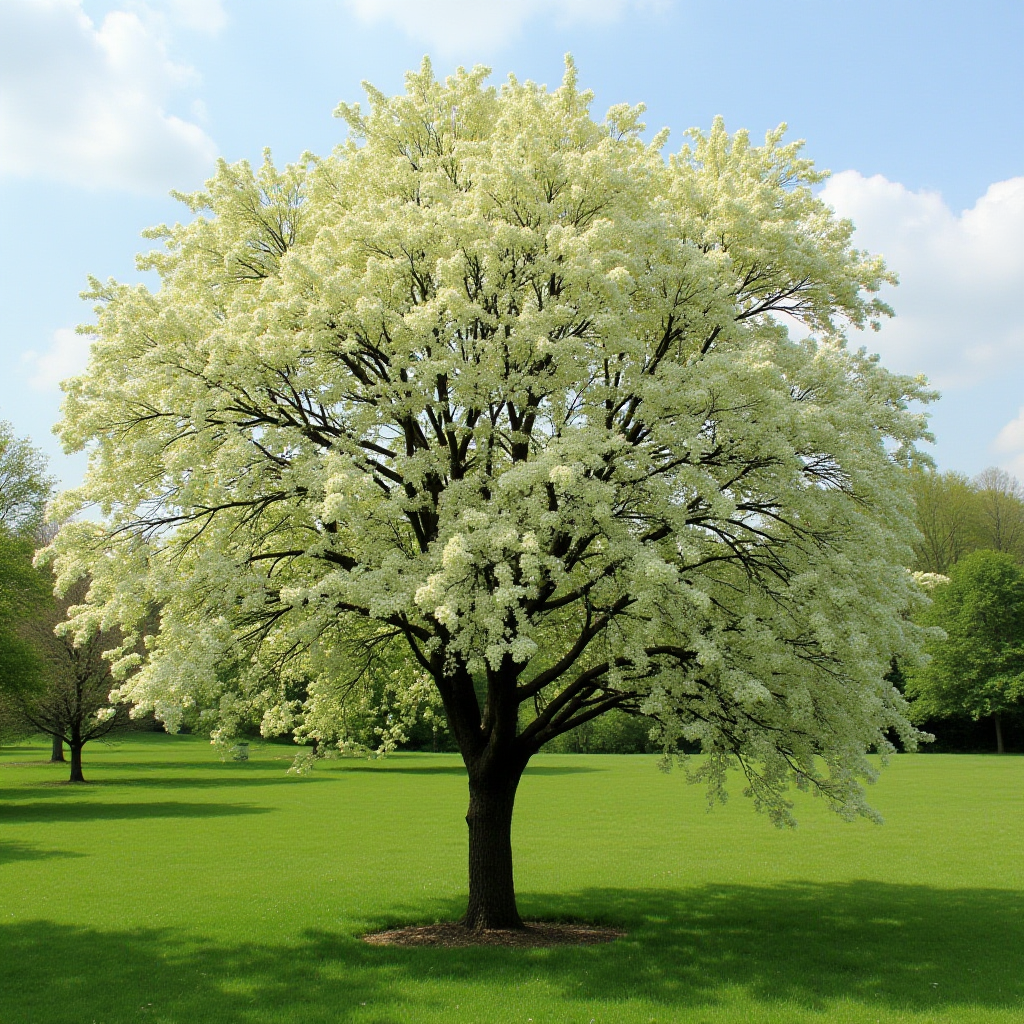
Elderflower tea, made from the delicate cream-coloured flowers of the Sambucus nigra plant, is a traditional herbal remedy with a long history of use for respiratory infections, fevers, and allergies. The elder tree has been called “the medicine chest of the common people” because of its many medicinal uses. The flowers, berries, leaves, and bark all have therapeutic properties, but the flowers are particularly valued for their ability to induce sweating (diaphoretic), reduce fever, fight viral infections, and relieve sinus congestion. Elderflower tea is a classic remedy for colds, flu, sinusitis, and hay fever. It has a mild, floral, sweet, and slightly fruity flavour that is pleasant and soothing. Unlike many potent respiratory herbs, elderflower is gentle enough for children and the elderly when used appropriately. It is often combined with other immune-supporting herbs such as peppermint, yarrow, or boneset for enhanced effect.
If you’d like to try the herbal teas in this article for yourself, we’ve curated a selection of high-quality, tested sources below. Every product we recommend has been chosen for purity and potency, or visit our online Herbal Tea Shop for even more choice.
Looking for a specific herbal tea? Browse the full A–Z list here:
Herbal Teas A-Z List
Get the Free Herbal Tea Shop Cheat Sheet
What elderflower tea is and how it works
Elder (Sambucus nigra) is a deciduous shrub or small tree native to Europe, North Africa, and Western Asia, now naturalised in many parts of the world. It has been used medicinally for thousands of years, with records of its use by Hippocrates, the father of modern medicine. The name “elder” comes from the Anglo-Saxon word aeld, meaning “fire,” possibly because the hollow stems were used to blow air into fires. The plant was considered sacred in many cultures and was believed to ward off evil spirits.
The primary active compounds in elderflower include flavonoids (such as rutin, quercetin, and kaempferol), phenolic acids (including chlorogenic acid), triterpenes, essential oils, and mucilage. These compounds work through several mechanisms: diaphoretic action (inducing sweating to reduce fever and eliminate toxins), antiviral activity (inhibiting the replication of influenza and other viruses), anti-inflammatory effects (reducing swelling in the sinuses and airways), antioxidant properties (protecting cells from oxidative damage), decongestant effects (helping to clear nasal passages), and mild expectorant action (loosening mucus). When prepared as a tea, these compounds are extracted into the water, providing a gentle but effective remedy for respiratory infections and fevers.
Unlike some herbs that work primarily on symptoms, elderflower addresses the underlying infection while also relieving symptoms. It is particularly valuable for the early stages of colds and flu.
Key health benefits of elderflower tea
Fever reduction is one of the most well-known benefits of elderflower tea. The diaphoretic action induces sweating, which helps lower body temperature naturally. This makes elderflower an excellent remedy for fevers associated with colds, flu, and other infections. Unlike pharmaceutical antipyretics that simply lower temperature, elderflower supports the body’s natural fever response.
Cold and flu relief is the primary use of elderflower tea. Its antiviral properties help fight the viruses that cause these infections, while its diaphoretic, anti-inflammatory, and decongestant effects relieve symptoms. Elderflower is particularly effective when taken at the first sign of a cold or flu – the early stages when you feel a scratchy throat, stuffy nose, and general malaise. Regular use during cold and flu season may help reduce the frequency and severity of infections.
Sinusitis and nasal congestion respond very well to elderflower tea. Its anti-inflammatory and decongestant effects help reduce swelling in the sinus passages, allowing mucus to drain and relieving pressure and pain. Inhaling the steam from elderflower tea enhances these effects. Elderflower is often combined with peppermint or yarrow for sinus congestion.
Hay fever and seasonal allergies can be helped by elderflower tea. Its anti-inflammatory and antioxidant properties help reduce the allergic response, relieving sneezing, runny nose, and itchy eyes. Elderflower is often used in allergy formulas and can be taken preventively during allergy season.
Respiratory infections including bronchitis, sinusitis, and tonsillitis can benefit from elderflower tea. Its antiviral, anti-inflammatory, and mild expectorant actions help clear infection and relieve symptoms.
Skin conditions can be treated topically with elderflower tea. The cooled tea can be used as a compress or wash for skin inflammations, burns, wounds, and acne. The anti-inflammatory and antimicrobial properties help soothe and heal the skin.
Diuretic support is a traditional use of elderflower tea. It has mild diuretic properties that can help with fluid retention and urinary tract health.
How to prepare elderflower tea
Elderflower tea can be prepared from dried or fresh flowers. From dried flowers: Use one to two teaspoons of dried elderflowers per cup of water. Pour freshly boiled water over the flowers and steep for 5–10 minutes. Longer steeping produces a stronger, more floral infusion. From fresh flowers: Use two to three fresh elderflower heads (or about two tablespoons of fresh flowers) per cup. Remove the flowers from the stems (the stems can be bitter). Steep for 5–10 minutes. Strain well: Strain the tea through a fine mesh strainer or tea infuser to remove the flowers before drinking. Flavour: Elderflower tea has a mild, floral, sweet, honey-like, and slightly fruity flavour with notes of pear and lychee. It is one of the most pleasant-tasting herbal teas. Blending: Elderflower blends beautifully with other herbs. Classic combinations include elderflower and peppermint (for colds and fever), elderflower and yarrow (for flu and sweating), elderflower and chamomile (for relaxation), and elderflower and ginger (for immune support). Sweetening: Additional sweetening is usually unnecessary, but honey adds antimicrobial benefits.

How to use elderflower tea safely
Elderflower tea is generally safe for most people when consumed in moderate amounts – one to three cups daily. However, several precautions apply.
Pregnancy and breastfeeding: Elderflower is generally considered safe during pregnancy in moderate amounts (one to two cups daily). However, as with any herb, consult a healthcare provider before regular use. The diaphoretic effects are mild and not considered problematic.
Children: Elderflower tea is safe for children and is often used for fevers, colds, and allergies. Use half the adult amount (one-half to one teaspoon per cup). It is one of the safer herbs for paediatric use.
Diabetes: Elderflower may lower blood sugar. Individuals with diabetes should monitor their blood sugar levels when using elderflower tea.
Blood pressure: Elderflower may lower blood pressure. Those with low blood pressure or taking blood pressure medications should use with caution.
Diuretics: Elderflower has mild diuretic effects. Combining with other diuretics may increase the risk of dehydration and electrolyte imbalance.
Allergies: Individuals allergic to plants in the Caprifoliaceae family (honeysuckle) or other related plants may react to elderflower. However, allergies are rare.
Raw berries warning: While elderflowers are safe, raw elderberries (and other parts of the plant) contain cyanogenic glycosides that can cause nausea and vomiting if consumed uncooked. The flowers do not contain significant levels of these compounds.
Harvesting: If foraging for elderflowers, ensure you have correctly identified the tree. Elderflowers are very distinctive though. The pervasive sweet scent of elderflowers is a helpful identifier.
Recommended dosage
For acute conditions such as colds, flu, or fever, two to three cups of elderflower tea daily can be consumed until symptoms improve. For prevention during cold and flu season, one cup daily is sufficient. For hay fever, one to two cups daily during allergy season.
Limitations of elderflower tea
Elderflower tea is not a substitute for medical treatment, particularly for severe infections, high fevers, or bacterial infections requiring antibiotics. Its effects are moderate and work best as part of a broader approach that includes rest, hydration, and appropriate medical care when needed. Claims that elderflower “cures” flu or COVID-19 are unsupported; it is best understood as a supportive tool for symptom relief.
FAQ
Is elderflower tea good for colds?
Yes. Elderflower tea has antiviral properties that help fight cold viruses, and its diaphoretic and decongestant effects relieve symptoms. It is most effective when taken at the first sign of a cold.
Does elderflower tea reduce fever?
Yes. Elderflower is a diaphoretic herb, meaning it induces sweating, which helps lower body temperature naturally.
Can elderflower tea help with hay fever?
Yes. Elderflower tea has anti-inflammatory and antioxidant properties that can help reduce the symptoms of hay fever, including sneezing, runny nose, and itchy eyes.
What does elderflower tea taste like?
Elderflower tea has a mild, floral, sweet, honey-like, and slightly fruity flavour with notes of pear and lychee. It is one of the most pleasant-tasting herbal teas.
Is elderflower tea safe for children?
Yes. Elderflower tea is safe for children and is often used for fevers, colds, and allergies. Use half the adult amount.
Conclusion
Elderflower tea is a gentle, pleasant-tasting, and effective herbal remedy for colds, flu, fevers, sinusitis, and hay fever. Its diaphoretic, antiviral, anti-inflammatory, and decongestant properties make it valuable for respiratory infections and allergies. Unlike many potent respiratory herbs, elderflower is mild and well tolerated, making it suitable for children and the elderly. The floral, sweet flavour is one of the most enjoyable of any herbal tea. For those seeking a natural remedy for colds, flu, or seasonal allergies, elderflower tea is an excellent choice.
Recommended Products
If you’d like to try the above herbal teas for yourself, we’ve curated a selection of high-quality, tested sources below. Every product we recommend has been chosen for purity and potency, or visit our online Herbal Tea Shop for even more choice.
Elderflower tea (loose leaf): https://amzn.to/4cb3I5h
Peppermint tea (loose leaf): https://amzn.to/4lIQSyi (for blending)
Yarrow tea (loose leaf): https://amzn.to/48CGBOJ
Chamomile tea (loose leaf): https://amzn.to/3Pv6zgo (for blending)
Ginger tea (loose leaf): https://amzn.to/3PmSWQw (for blending)
Manuka Honey: https://amzn.to/47p7i9g
High-quality Garlic press: https://amzn.to/4sFBsxD
Tea infuser: https://amzn.to/4lAToGE
Glass teapot: https://amzn.to/4snGsGY
Storage boxes: https://amzn.to/47UQgQf
Assortment Box: https://amzn.to/3NFO9ZJ
Visit our online Herbal Tea Shop for more choice!
Do you read novels? Visit our bookshop to check out the ‘culturally grounded, Otherworldly narratives’ by Owen Jones.
Looking for a specific herbal tea? Browse the full A–Z list here:
Herbal Teas A-Z List
Get the Free Herbal Tea Shop Cheat Sheet
Further Reading
For a full evidence-based overview of herbal tea benefits, safety, and quality considerations, read our complete guide to Herbal Tea Benefits
1] For more on respiratory inflammation, see:
Respiratory Inflammation
2] For immune support, see:
Herbal Tea for Inflammation
3] For relief from fever, see:
Herbal Teas for the Relief of Fever
4] For safety guidance on herbal teas, see:
Are Herbal Teas Safe?
5] For potential interactions with medications, see:
Herbal Tea and Medication
Visit our bookshop to check out the ‘culturally grounded, Otherworldly narratives’ by Owen Jones.
References
1] National Center for Complementary and Integrative Health (NCCIH) – Elderberry
Provides evidence-based information on elder (flowers and berries) safety and research.
2] European Medicines Agency – Elderflower
Offers regulatory and safety assessments for elderflower preparations.
3] National Health Service (NHS) – Common Cold
Provides medical guidance on cold symptoms and treatment.
4] Cleveland Clinic – Natural Cold Remedies
Provides practical recommendations for using herbs like elderflower for colds.