
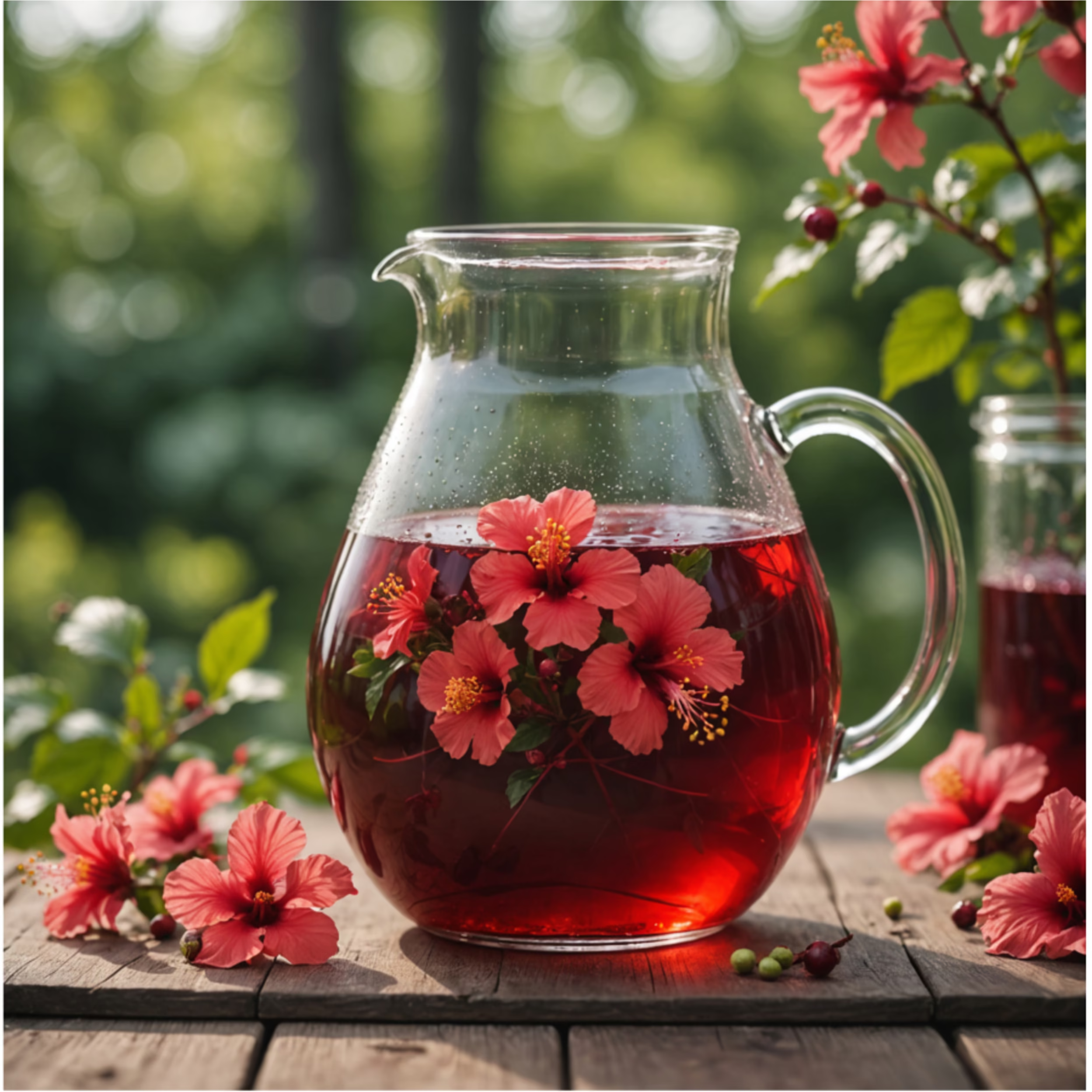

How Hibiscus May Affect Cholesterol
Hibiscus and cholesterol have long been associated. Hibiscus tea, known for its deep red colour and tart flavour, contains bioactive compounds such as anthocyanins and flavonoids that may influence lipid metabolism. Numerous studies into hibiscus and cholesterol suggest that hibiscus may support healthy cholesterol levels by reducing LDL (“bad”) cholesterol and triglycerides in some individuals. For example, a study conducted by the University of California found that participants who consumed hibiscus extract showed a significant decrease in LDL levels over a six-week period.
While hibiscus tea is not a substitute for medication, incorporating it into a balanced diet rich in fruits, vegetables, and whole grains may complement heart-healthy practices. There definitely seems to be some sort of correlation between hibiscus and cholesterol, as other studies have indicated improvements in participants’ overall cardiovascular health. Furthermore, the antioxidants in hibiscus can help combat oxidative stress, which is crucial for maintaining healthy cholesterol levels.
Research Overview between Hibiscus and Cholesterol
Several small clinical studies have explored the correlation of hibiscus and cholesterol. For instance, a controlled trial published in the Journal of Nutrition found that participants who consumed hibiscus tea regularly experienced modest improvements in lipid profiles, suggesting potential cardiovascular benefits. Additionally, another study from the Journal of Clinical Hypertension highlighted a reduction in blood pressure among those who included hibiscus in their daily routine. Such findings indicate that hibiscus might have a broader impact on heart health.
Important: Results vary between individuals, and more research is needed before hibiscus can be recommended as a primary treatment.
How to Enjoy Hibiscus Tea
Hibiscus tea can be consumed hot or cold. To maintain its beneficial compounds:
When preparing hibiscus tea, consider adding other heart-healthy ingredients. For instance, pairing it with ginger can enhance its flavour and provide additional anti-inflammatory properties. Alternatively, you might try blending hibiscus with green tea, which is known for its cholesterol-lowering effects as well. These combinations not only enrich the taste but also boost the health benefits.
- Use fresh or dried hibiscus petals
- Steep for 5–10 minutes
- Avoid excessive sweeteners
Pairing hibiscus with a balanced diet and exercise enhances its potential benefit.
Safety Considerations
Hibiscus tea is generally safe for most people. Those with low blood pressure or taking cardiovascular medication should consult a healthcare professional before consuming it regularly.
Moreover, it is essential to understand how lifestyle factors contribute to cholesterol management. Regular physical activity, maintaining a healthy weight, and reducing saturated fat intake are paramount. Integrating hibiscus tea into these lifestyle changes can create a more holistic approach to maintaining cholesterol levels.
For general safety guidance, see:
1] Are Herbal Teas Safe?
It’s worth noting that while hibiscus tea is generally safe, individual reactions may vary. Some individuals may experience mild digestive upset or allergic reactions. Keeping track of your body’s response after consumption is advisable. For instance, if you notice any unusual symptoms after drinking hibiscus tea, it’s essential to consult with a healthcare professional.
2] Buy High-Quality Herbal Tea
Choose high-quality herbs to avoid contamination:
FAQ
Does hibiscus tea lower cholesterol?
The exact relationship between hibiscus and cholesterol is not clear. Studies indicate that hibiscus tea may modestly reduce LDL cholesterol and triglycerides in some people, though results are variable.
Can I drink hibiscus tea daily?
Yes, moderate consumption (1–2 cups) is generally safe for healthy adults. Consult a doctor if taking medication – tell your physician that you are considering taking hibiscus for cholesterol.
Are there side effects?
Hibiscus tea is usually well tolerated, but may lower blood pressure in sensitive individuals or interact with medications especially blood thinners like Warfarin.
In summary, while hibiscus and cholesterol have been associated for centuries, and hibiscus tea may contribute to lower cholesterol levels, it should be viewed as part of a comprehensive approach to heart health. Factors such as diet, exercise, and regular health check-ups play critical roles in managing cholesterol effectively. Hibiscus tea can be a delightful addition, offering both flavour and potential health benefits.
Conclusion
The relationship between hibiscus and cholesterol is a promising area of study. While not a replacement for treatment, hibiscus tea may complement a heart-healthy diet by supporting lipid balance and overall cardiovascular wellbeing. Future research could provide further insights into the long-term effects of hibiscus tea on cholesterol management and heart health.
Further Reading: National Center for Complementary and Integrative Health – Hibiscus
Further Reading: Harvard Health Publishing – Hibiscus and Heart Health
Other Articles in This Series
1] Does Hibiscus Tea Lower Blood Pressure?
2] Hawthorn Berry Tea for Heart Health
3] Herbal Teas for Cardiovascular Support
Recommended Products
Green Tea (Loose Leaf): https://amzn.to/4lV0bLO
Hibiscus (Loose Leaf): https://amzn.to/4bzVBOd
Ginger Herbal Tea: https://amzn.to/3PmSWQw
Dandelion Root Tea: https://amzn.to/4bFTPep
Tea Infuser: https://amzn.to/4lAToGE
Glass Teapot: https://amzn.to/4snGsGY
Storage Boxes: https://amzn.to/47UQgQf
Assortment Box: https://amzn.to/3NFO9ZJ
Super Garlic Press: https://amzn.to/4sFBsxD
Further Reading
For a full evidence-based overview of herbal tea benefits, safety, and quality considerations, read our complete guide to Herbal Tea Benefits.
Visit our bookshop to check out the ‘culturally grounded, Otherworldly narratives’ by Owen Jones.
Looking for a specific herbal tea? Browse the full A–Z list here:
Herbal Teas A-Z List
Get the Free Herbal Tea Shop Cheat Sheet