

The traditional Chinese sedative for anxiety and sleep
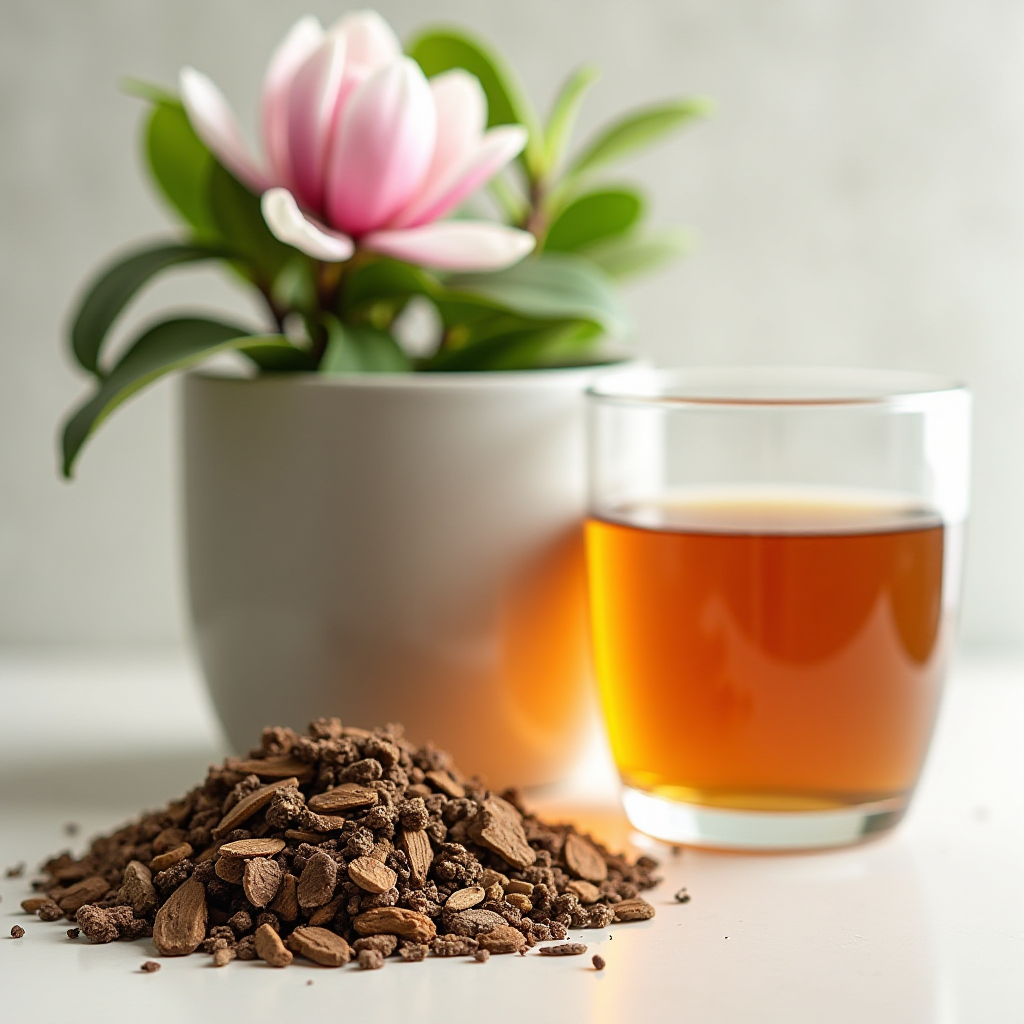
Magnolia bark tea, made from the dried bark of the Magnolia officinalis tree, has been used in Traditional Chinese Medicine for over a thousand years . Known as “Hou Po” in Chinese medicine, magnolia bark is used to treat anxiety, nervous disorders, depression, abdominal fullness, and digestive complaints . The active compounds are honokiol and magnolol, which have potent anti-anxiety, sedative, and neuroprotective properties . Unlike pharmaceutical sedatives that can cause dependency and next-day drowsiness, magnolia bark tea is gentle and non-habit-forming when used appropriately. The tea is warm, bitter, and slightly spicy . For those seeking a natural, traditional remedy for anxiety, stress, or poor sleep, magnolia bark is an excellent choice.
“If you’d like to try the herbal teas mentioned in this article for yourself, we’ve curated a selection of high-quality, tested sources below. Every product we recommend has been chosen for purity and potency, or visit our online Herbal Tea Shop for even more choice”.
Looking for a specific herbal tea? Browse the full A–Z list here:
Herbal Teas A-Z List
Get the Free Herbal Tea Shop Cheat Sheet
What magnolia bark tea is and how it works
Magnolia bark comes from Magnolia officinalis, a tree native to China. The bark is harvested, dried, and used to make tea, tinctures, and extracts. In Traditional Chinese Medicine, magnolia bark is classified as a herb that transforms “dampness” and moves “stagnant qi” – concepts related to digestive health, anxiety, and depression .
The primary active compounds in magnolia bark are honokiol and magnolol, which are lignans (a type of polyphenol) . These compounds work through several mechanisms:
- GABAergic activity – Honokiol and magnolol bind to GABA receptors, producing calming, sedative, and anti-anxiety effects similar to benzodiazepines but without the same risk of dependency .
- Serotonin modulation – The compounds may also interact with serotonin receptors, contributing to antidepressant effects .
- Anti-inflammatory effects – Both compounds have demonstrated anti-inflammatory activity, reducing cytokine production and oxidative stress .
- Neuroprotective properties – Honokiol has been studied for its potential to protect brain cells from damage and may have applications in Alzheimer’s disease .
Unlike pharmaceutical sedatives that target a single pathway, magnolia bark works through multiple mechanisms, which may explain its broad traditional use.
Key health benefits of magnolia bark tea
Anxiety and stress relief is one of the primary uses of magnolia bark. The GABAergic activity of honokiol and magnolol helps calm an overactive nervous system without causing heavy sedation . In Traditional Chinese Medicine, magnolia bark is used to treat the “stagnation of qi” – a concept associated with depression, anxiety, and irritability .
Sleep support is another major benefit. Magnolia bark has mild sedative properties that can help with insomnia and restlessness . Unlike pharmaceutical sedatives, it is non-habit-forming. Traditional preparations often combine magnolia bark with other calming herbs.
Digestive support is a traditional use of magnolia bark. In Chinese medicine, magnolia bark is used to treat abdominal fullness, bloating, and digestive stagnation . It is often combined with other herbs in formulas for gastrointestinal complaints.
Gum health is supported by magnolia bark’s antibacterial properties. Chewing gum or toothpaste containing magnolia extract has been shown to reduce gingivitis and gum bleeding .
Neuroprotection is an emerging area of research. Honokiol has been studied for its potential to protect brain cells from oxidative damage and may have applications in neurodegenerative diseases .
How to prepare magnolia bark tea
Magnolia bark is tough and requires a decoction rather than a simple steep.
Decoction method: Use one to two teaspoons of dried magnolia bark per cup of water. Place the bark in a saucepan with cold water. Bring to a boil, then reduce heat and simmer for 10–15 minutes. Strain and serve . The bark can be reused 2–3 times.
Flavour: Magnolia bark tea has a warm, bitter, slightly spicy flavour with a woody aroma .
Blending: Magnolia bark blends well with other calming herbs such as chamomile, lavender, or lemon balm . Sweetening with honey helps balance the bitterness.
How to use magnolia bark tea safely
Magnolia bark is generally safe for most people when used short-term. However, several precautions apply.
Pregnancy: Magnolia bark should be avoided during pregnancy. The flower buds are known to cause uterine contractions and may increase the risk of miscarriage . The bark may have similar effects; avoid use unless under professional supervision.
Breastfeeding: There is insufficient safety data. Avoid use during breastfeeding .
Sedatives and central nervous system depressants: Magnolia bark may increase the effects of benzodiazepines, barbiturates, and other sedatives . It also may increase the effects of alcohol . Consult your healthcare provider before combining.
Blood thinners: Magnolia bark may slow blood clotting . If you take warfarin, aspirin, or other anticoagulants, consult your healthcare provider before regular use.
Surgery: Magnolia bark may affect the nervous system and blood clotting. Discontinue use at least two weeks before scheduled surgery .
Allergies: Individuals with known allergies to plants in the Magnoliaceae family should avoid magnolia bark.
Duration of use: Magnolia bark extract is possibly safe for up to 6 weeks of oral use . Do not use long-term without medical supervision.
Recommended dosage
For anxiety and nervous tension, one cup of magnolia bark tea daily is sufficient. For sleep support, drink one cup 30–60 minutes before bed. For digestive complaints, one cup after meals as needed. Do not exceed two cups daily.
Limitations of magnolia bark tea
Magnolia bark tea is not a substitute for medical treatment, particularly for severe anxiety, depression, or chronic insomnia. Clinical studies on magnolia bark are limited, and most evidence comes from traditional use and animal studies . The tea is less concentrated than tinctures or extracts. If you have significant anxiety or sleep disorders, consult a healthcare provider.
FAQ
Is magnolia bark tea safe?
Magnolia bark is generally safe for most people when used short-term (up to 6 weeks). It may cause mild side effects in some individuals, including heartburn, shaking hands, and thyroid dysfunction in rare cases . Avoid use during pregnancy and breastfeeding.
Does magnolia bark tea help with anxiety?
Yes. Magnolia bark has been used in Traditional Chinese Medicine for over a thousand years to treat anxiety and nervous disorders. The active compounds honokiol and magnolol bind to GABA receptors in the brain, producing calming effects .
Can I drink magnolia bark tea every day?
Short-term daily use (up to 6 weeks) is generally safe. Do not use long-term without medical supervision.
Does magnolia bark tea interact with medications?
Yes. Magnolia bark may increase the effects of sedatives and blood thinners. It may also increase the effects of alcohol. Consult your healthcare provider before combining.
Is magnolia bark safe during pregnancy?
No. Magnolia flower buds are known to cause uterine contractions and may increase the risk of miscarriage. The bark should also be avoided during pregnancy unless under professional supervision.
Conclusion
Magnolia bark tea is a traditional Chinese remedy for anxiety, nervous tension, and digestive complaints. Its active compounds, honokiol and magnolol, produce calming, sedative, and anti-inflammatory effects through GABAergic activity. Unlike pharmaceutical sedatives, it is non-habit-forming and gentle when used appropriately. The warm, bitter, slightly spicy flavour is not for everyone, but for those seeking a natural remedy for stress and sleeplessness, magnolia bark tea is an excellent choice. Use it short-term, be aware of potential interactions, and avoid during pregnancy.
Recommended Products
If you’d like to try the herbal teas mentioned in this article for yourself, we’ve curated a selection of high-quality, tested sources below. Every product we recommend has been chosen for purity and potency, or visit our online Herbal Tea Shop for even more choice.
Magnolia bark tea (loose leaf): unavailable coming soon
Magnolia bark tea bags: unavailable coming soon
Chamomile tea (loose leaf): https://amzn.to/3Pv6zgo (for blending)
Lavender tea (loose leaf): https://amzn.to/4bCESLp (for blending)
Manuka Honey: https://amzn.to/47p7i9g
High-quality Garlic press: https://amzn.to/4sFBsxD
Tea infuser: https://amzn.to/4lAToGE
Glass teapot: https://amzn.to/4snGsGY
Storage boxes: https://amzn.to/47UQgQf
Assortment Box: https://amzn.to/3NFO9ZJ
Visit our online Herbal Tea Shop for more choice!
Do you read novels? Visit our bookshop to check out the ‘culturally grounded, Otherworldly narratives’ by Owen Jones.
Looking for a specific herbal tea? Browse the full A–Z list here:
Herbal Teas A-Z List
Get the Free Herbal Tea Shop Cheat Sheet
Further Reading
For a full evidence-based overview of herbal tea benefits, safety, and quality considerations, read our complete guide to Herbal Tea Benefits
1] For more on anxiety relief, see:
Best Herbal Teas for Anxiety and Stress Relief
2] For sleep support, see:
Herbal Teas for Sleep
3] For digestive health, see:
Herbal Teas to Aid Digestion
4] For safety guidance on herbal teas, see:
Are Herbal Teas Safe?
5] For potential interactions with medications, see:
Herbal Tea and Medication
References
1] Drugs.com – Magnolia Bark Extract
Provides clinical overview, traditional uses, and safety information.
2] American Herbal Products Association – Botanical Safety Handbook
Provides safety information, pregnancy contraindications, and toxicology data.
3] WebMD – Magnolia
Provides consumer-level safety information and drug interaction warnings.
4] PlantaeDB – Magnolia obovata
Provides traditional use and preparation information.
5] Herbventure – Southern Magnolia
Provides preparation instructions for magnolia bark tea.