

The herb that calms a racing heart and eases stress
Motherwort tea, made from the leaves, stems, and flowers of the Leonurus cardiaca plant, is a lesser-known but highly valued herb in traditional European and Chinese medicine. Its name, meaning “lion-hearted,” reflects its historical use for heart conditions, while “motherwort” points to its traditional application for women’s reproductive health. Motherwort is uniquely suited for stress-related heart strain—the kind of anxiety that makes your heart pound, race, or skip beats. Unlike general calming herbs that work primarily on the mind, motherwort acts directly on the heart and cardiovascular system while also calming the nervous system. It is particularly useful for palpitations, heart rhythm irregularities caused by stress, and the physical sensations of anxiety. Motherwort has a very bitter flavour, but for those who need its specific effects, it is worth acquiring the taste.
If you’d like to try the herbal teas mentioned in this article for yourself, we’ve curated a selection of high-quality, tested sources below. Every product we recommend has been chosen for purity and potency, or visit our online Herbal Tea Shop for even more choice.
Looking for a specific herbal tea? Browse the full A–Z list here:
Herbal Teas A-Z List
Get the Free Herbal Tea Shop Cheat Sheet
What motherwort tea is and how it works
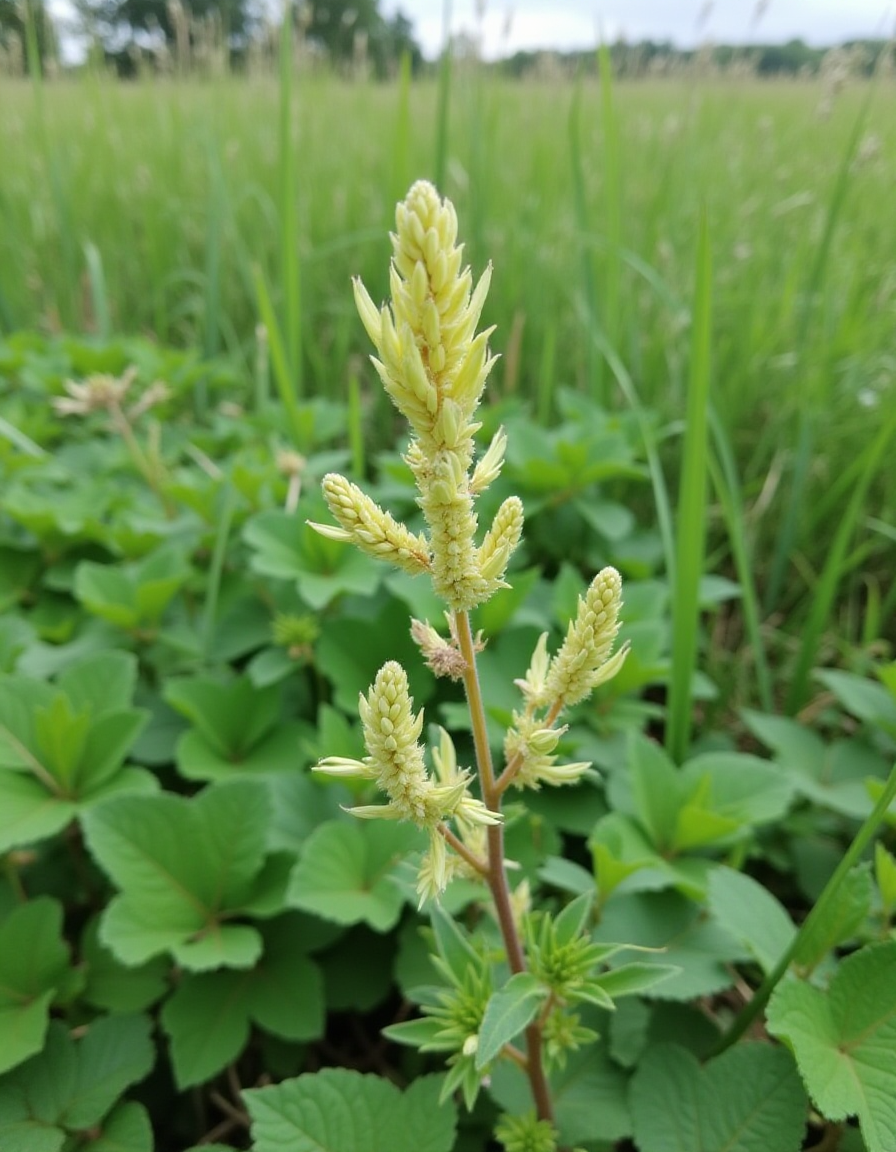
Motherwort (Leonurus cardiaca) is a perennial plant in the mint family (Lamiaceae), native to central Asia and southeastern Europe but now naturalised throughout the world. The name Leonurus comes from the Greek words leon (lion) and oura (tail), referring to the shape of the flower spike. Cardiaca means “of the heart,” reflecting its traditional use for heart conditions. The plant has been used for centuries in both Western and Chinese herbal medicine, though it is less common in modern commercial tea blends.
The primary active compounds in motherwort include alkaloids (such as leonurine and leonuridine), diterpenes, flavonoids, and iridoid glycosides. These compounds work through several mechanisms: cardiotonic effects (strengthening heart muscle and regulating heartbeat), sedative and anxiolytic properties (calming the nervous system), hypotensive effects (mildly lowering blood pressure), antispasmodic properties (relaxing smooth muscle), and uterine effects (regulating menstrual flow). When prepared as a tea, these compounds are extracted into the water, providing a gentle but effective way to calm both the heart and the mind.
Unlike some herbs that work primarily on the brain, motherwort has a direct affinity for the heart. It is considered a cardiotonic—an herb that strengthens and regulates heart function. This makes it uniquely valuable for people whose anxiety manifests as physical heart symptoms.
Key health benefits of motherwort tea
Heart palpitations and racing heart are the primary indications for motherwort tea. When stress or anxiety causes your heart to pound, race, or feel like it is skipping beats, motherwort can help restore normal rhythm. It acts directly on the heart muscle, regulating its contractions without the side effects associated with pharmaceutical antiarrhythmics. Unlike stimulants that increase heart rate, motherwort calms an overactive heart. For those who experience sudden surges of anxiety with a pounding heart, a cup of motherwort tea can provide noticeable relief within thirty to sixty minutes.
Stress-related heart strain is another key benefit. Chronic stress keeps the heart working harder than it should—elevated heart rate, increased blood pressure, and constant sympathetic nervous system activation. Motherwort helps the heart cope with this increased demand by improving its efficiency. It also lowers blood pressure mildly and reduces the physiological markers of stress. For people whose stress manifests physically in the chest—tightness, racing, a feeling of the heart working too hard—motherwort is particularly valuable.
Anxiety with physical symptoms responds well to motherwort. Unlike chamomile or lemon balm, which work primarily on the mind, motherwort addresses the physical sensations of anxiety—the pounding heart, the tight chest, the feeling of being “on edge.” It can be used alone or combined with other nervines for comprehensive anxiety support. For those who have tried general calming teas without success because their anxiety has a strong physical component, motherwort may be the missing piece.
Menstrual regulation is a traditional use of motherwort. It has been used for centuries to regulate menstrual flow, ease period pain, and support the uterus. The herb’s antispasmodic properties help reduce cramping, while its effect on the smooth muscle of the uterus can help regulate irregular cycles. Motherwort is particularly useful for women whose menstrual symptoms are accompanied by anxiety, heart palpitations, or stress-related heart strain.
High blood pressure may be modestly reduced by motherwort tea. Its mild hypotensive effects, combined with its calming properties, can help lower blood pressure in people whose hypertension is driven by stress. It is not a substitute for blood pressure medication, but it can be a supportive addition to a heart-healthy lifestyle.
Menopause symptom relief is another traditional use. Motherwort can help reduce hot flushes, night sweats, and the heart palpitations that often accompany hormonal changes during menopause. Its calming effects also address the anxiety and irritability that can make menopause difficult.
How to prepare Motherwort tea
Motherwort tea is very bitter, and preparation methods can help manage this. From dried herb: Use one to two teaspoons of dried motherwort leaves, stems, and flowers per cup of water. Pour freshly boiled water over the herb and steep for 5–10 minutes. Longer steeping produces a stronger, more bitter infusion. Strain well: Strain the tea through a fine mesh strainer or tea infuser to remove the plant material before drinking. Flavour: Motherwort tea has a very bitter, somewhat earthy flavour that is not to everyone’s taste. It is traditionally taken as medicine rather than for enjoyment. Blending: Motherwort blends well with more palatable herbs such as peppermint, lemon balm, or chamomile, which can help mask the bitterness. A blend of equal parts motherwort and lemon balm is both effective and more drinkable. Sweetening: Honey can help balance the bitterness. A cinnamon stick or a slice of fresh ginger also adds warmth and flavour.
How to use Motherwort tea safely
Motherwort tea is generally safe for most people when consumed in moderate amounts—one to three cups daily. However, several precautions apply. Pregnancy and breastfeeding: Motherwort has been traditionally used to stimulate uterine contractions and induce menstruation. It should be avoided during pregnancy, particularly in the first trimester. Breastfeeding women should also avoid motherwort due to limited safety data.
Heart medications: Motherwort has cardiotonic and hypotensive effects. If you take medications for heart conditions, high blood pressure, or arrhythmias, consult your healthcare provider before regular use. Motherwort may enhance or interfere with these medications.
Blood thinners: Motherwort may have mild blood-thinning properties. If you take warfarin, aspirin, or other anticoagulants, consult your healthcare provider before regular use.
Sedatives and anti-anxiety medications: Motherwort may potentiate the effects of benzodiazepines, barbiturates, and other sedatives. Consult your healthcare provider before combining.
Surgery: Motherwort may affect heart function and blood pressure and may interact with anaesthesia. It is generally recommended to discontinue use at least two weeks before scheduled surgery.
Menstrual bleeding: Motherwort can increase menstrual flow. Women with heavy periods should use it with caution. It may also affect hormonal contraceptives, though evidence is limited.
Children: Motherwort is generally not recommended for children due to its potent effects on the heart and uterus.
Recommended dosage
For acute heart palpitations or stress-related anxiety, one cup of motherwort tea can be consumed at the onset of symptoms. For ongoing support for stress-related heart strain, one to two cups daily is sufficient. Because motherwort is very bitter, it is often taken in smaller, more frequent doses rather than large cups. Many herbalists recommend two to three tablespoons of the tea taken throughout the day rather than a full cup at once.
Limitations of motherwort tea
Motherwort tea is not a substitute for medical treatment, particularly for diagnosed heart conditions, arrhythmias, hypertension, or anxiety disorders. Its effects are mild to moderate and work best as part of a broader approach that includes stress management, lifestyle changes, and appropriate medical care. Claims that motherwort “cures” heart disease or anxiety disorders are unsupported; it is best understood as a supportive tool for specific symptoms.
FAQ
Is motherwort tea good for heart palpitations?
Yes. Motherwort is specifically indicated for heart palpitations caused by stress, anxiety, or nervous tension. It acts directly on the heart muscle to regulate rhythm.
What does motherwort tea taste like?
Motherwort tea is very bitter with earthy undertones. It is not a pleasant sipping tea; it is traditionally taken as medicine. Blending with peppermint or lemon balm and adding honey improves the flavour.
Is motherwort tea safe during pregnancy?
No. Motherwort should be avoided during pregnancy as it may stimulate uterine contractions. Pregnant women should not use motherwort.
Can motherwort tea help with anxiety?
Yes, particularly when anxiety manifests with physical heart symptoms such as pounding, racing, or palpitations. For general anxiety without heart symptoms, other herbs like chamomile or passionflower may be more appropriate.
How quickly does motherwort tea work?
For acute heart palpitations, motherwort can provide noticeable relief within thirty to sixty minutes. For ongoing stress-related heart strain, consistent daily use over several weeks is typically required.
Conclusion
Motherwort tea offers a unique, targeted approach for stress-related heart strain and anxiety that manifests as physical heart symptoms. Its ability to calm a racing or pounding heart while also soothing the nervous system makes it valuable for people who have tried general calming teas without success. Unlike many herbal teas that are pleasant to drink, motherwort is genuinely bitter – but for those who need its specific effects, the taste is a small price to pay. Used appropriately and with awareness of its contraindications, motherwort tea can be a powerful ally for a stressed heart.
Recommended Products
If you’d like to try the above herbal teas for yourself, we’ve curated a selection of high-quality, tested sources below. Every product we recommend has been chosen for purity and potency, or visit our online Herbal Tea Shop for even more choice.
Motherwort tea (loose leaf): https://amzn.to/47MENT6
Lemon balm tea (loose leaf): https://amzn.to/4bA4NlH (for blending)
Peppermint tea (loose leaf): https://amzn.to/4lIQSyi (for blending)
Manuka Honey: https://amzn.to/47p7i9g
High-quality Garlic press: https://amzn.to/4sFBsxD
Tea infuser: https://amzn.to/4lAToGE
Glass teapot: https://amzn.to/4snGsGY
Storage boxes: https://amzn.to/47UQgQf
Assortment Box: https://amzn.to/3NFO9ZJ
Visit our online Herbal Tea Shop for more choice!
Do you read novels? Visit our bookshop to check out the ‘culturally grounded, Otherworldly narratives’ by Owen Jones.
Looking for a specific herbal tea? Browse the full A–Z list here:
Herbal Teas A-Z List
Get the Free Herbal Tea Shop Cheat Sheet
Further Reading
For a full evidence-based overview of herbal tea benefits, safety, and quality considerations, read our complete guide to Herbal Tea Benefits
1] For more on stress-related heart strain, see:
Herbal Teas for Stress-Related Heart Strain
2] For general heart health, see:
Best Herbal Teas for Heart Health
3] For anxiety support, see:
Best Herbal Teas for Anxiety and Stress Relief
4] For safety guidance on herbal teas, see:
Are Herbal Teas Safe?
5] For potential interactions with medications, see:
Herbal Tea and Medication
Visit our bookshop to check out the ‘culturally grounded, Otherworldly narratives’ by Owen Jones.
References
1] National Center for Complementary and Integrative Health (NCCIH) – Motherwort:
https://www.nccih.nih.gov/health/motherwort
Provides evidence-based information on motherwort safety and research.
2] European Medicines Agency – Motherwort:
https://www.ema.europa.eu/en/medicines/herbal/leonuri-cardiaca
Offers regulatory and safety assessments for motherwort preparations.
3] Mount Sinai – Motherwort:
https://www.mountsinai.org/health-library/herb/motherwort
Provides traditional and clinical information on motherwort uses.
4] Cleveland Clinic – Natural Remedies for Heart Palpitations:
https://health.clevelandclinic.org/natural-remedies-for-heart-palpitations
Provides practical recommendations for managing heart palpitations naturally.
Looking for a specific herbal tea? Browse the full A–Z list here:
Herbal Teas A-Z List
Get the Free Herbal Tea Shop Cheat Sheet