


The gentle giant of respiratory health
Mullein tea, made from the leaves (and sometimes flowers) of the Verbascum thapsus plant, is a traditional herbal remedy with a long history of use for respiratory conditions. Known by many folk names – including “cowboy toilet paper,” “velvet plant,” and “Aaron’s rod” – mullein is a tall, fuzzy-leaved biennial that grows wild in disturbed soils across Europe, Asia, and North America. While it may look unremarkable, mullein is one of the most effective and safest herbal remedies for coughs, bronchitis, asthma, and other respiratory ailments. Its primary actions are as an expectorant (helping to loosen and expel mucus) and as a demulcent (soothing irritated mucous membranes). Unlike many potent respiratory herbs that can be harsh or strong-tasting, mullein is gentle, mild, and well tolerated, making it suitable for children, the elderly, and those with sensitive systems. It has no significant side effects and no known drug interactions, making it one of the safest herbal remedies available.
If you’d like to try the above herbal teas for yourself, we’ve curated a selection of high-quality, tested sources below. Every product we recommend has been chosen for purity and potency, or visit our online Herbal Tea Shop for even more choice.
Looking for a specific herbal tea? Browse the full A–Z list here:
Herbal Teas A-Z List
Get the Free Herbal Tea Shop Cheat Sheet
What mullein tea is and how it works
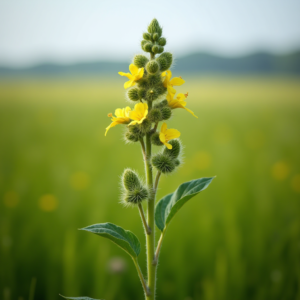
Mullein (Verbascum thapsus) is a biennial plant native to Europe, Asia, and North Africa, now naturalised throughout North America. In its first year, it produces a low rosette of large, soft, fuzzy leaves. In its second year, it sends up a tall flower spike (often 5–8 feet high) covered in yellow flowers. The leaves and flowers are harvested for medicinal use. Mullein has been used for centuries in European and Native American herbal medicine, primarily for respiratory conditions.
The primary active compounds in mullein include mucilage, saponins (such as verbascoside), flavonoids (including quercetin and luteolin), iridoid glycosides (such as aucubin and catalpol), and tannins. These compounds work through several mechanisms: expectorant action (loosening and thinning mucus, making it easier to cough up), demulcent properties (coating and soothing irritated mucous membranes with mucilage), anti-inflammatory effects (reducing swelling in the airways), antimicrobial activity (mildly fighting bacteria and viruses), antispasmodic properties (calming bronchial spasms), and antioxidant effects (protecting respiratory tissues from damage). When prepared as a tea, these compounds are extracted into the water, providing a gentle but effective remedy for respiratory conditions.
Unlike many respiratory herbs that can be strong, bitter, or irritating, mullein is exceptionally gentle. It is often recommended for children, the elderly, and anyone with sensitive systems who cannot tolerate stronger herbs like thyme or eucalyptus.
Key health benefits of mullein tea
Cough relief is one of the most common uses of mullein tea. Its expectorant action helps loosen and thin mucus, making coughs more productive. It is effective for both dry, irritating coughs and wet, congested coughs. The demulcent properties also soothe the throat, reducing the tickling sensation that triggers coughing. Mullein is particularly useful for coughs that linger after a cold or flu.
Bronchitis and chest congestion respond very well to mullein tea. The combination of expectorant, anti-inflammatory, and demulcent actions addresses the multiple aspects of bronchitis: thinning mucus, reducing airway inflammation, and soothing irritated tissues. Mullein has been traditionally used for both acute and chronic bronchitis and is often combined with other respiratory herbs such as thyme, licorice, or elecampane for enhanced effect.
Asthma support is a traditional use of mullein tea. Its antispasmodic properties help relax the smooth muscle of the airways, reducing wheezing and difficulty breathing. Its anti-inflammatory effects help reduce chronic airway inflammation. While mullein should not replace prescribed asthma medication, it can be a valuable complementary support for mild symptoms or between attacks.
Sore throat relief comes from mullein’s demulcent properties. The mucilage coats and soothes irritated throat tissues, providing relief from pain and scratchiness. Mullein tea can be drunk or used as a gargle.
Respiratory infections including colds, flu, and pneumonia can be helped by mullein tea. Its expectorant action helps clear mucus, while its mild antimicrobial and anti-inflammatory effects support the body’s fight against infection.
Ear infections are a traditional use of mullein, though this involves the oil rather than the tea. Mullein-infused oil is used as ear drops for earaches and infections. The flowers are traditionally used for this purpose.
Swollen glands and lymphatics may benefit from mullein tea. The plant has mild lymphatic properties and has been used for swollen lymph nodes, particularly those associated with respiratory infections.
Digestive support is a lesser-known use. Mullein tea can help soothe digestive irritation and has mild astringent properties that can help with diarrhoea.
How to prepare mullein tea
Mullein tea can be prepared from dried or fresh leaves and flowers. From dried leaves: Use one to two teaspoons of dried mullein leaves per cup of water. Pour freshly boiled water over the leaves and steep for 10–15 minutes. Longer steeping extracts more mucilage. From fresh leaves: Use a small handful of fresh mullein leaves (about 2–3 leaves) per cup. Steep for 10–15 minutes. Strain well: Mullein leaves have tiny hairs that can irritate the throat if not properly strained. Always strain the tea through a fine mesh strainer, coffee filter, or muslin cloth to remove all hairs. Flavour: Mullein tea has a mild, slightly sweet, earthy, and herbaceous flavour. It is not bitter or strong, making it pleasant and well tolerated. Blending: Mullein blends well with other respiratory herbs such as thyme, peppermint, ginger, licorice, or elecampane. A blend of mullein and thyme is effective for bronchitis. Sweetening: Honey can be added for additional soothing and antimicrobial benefits.
How to use mullein tea safely
Mullein tea is exceptionally safe and well tolerated. However, a few considerations apply.
Pregnancy and breastfeeding: Mullein is generally considered safe during pregnancy and breastfeeding in moderate amounts. It has no known uterine-stimulating effects. However, as with any herb, consult a healthcare provider before regular use.
Children: Mullein tea is very safe for children and is often recommended for coughs and respiratory infections. Use half the adult amount (one-half to one teaspoon per cup). It is one of the safest herbs for paediatric use.
Allergies: Allergic reactions to mullein are extremely rare but possible. The tiny hairs on the leaves can cause throat irritation if not properly strained. Always strain mullein tea thoroughly.
Medication interactions: Mullein has no known drug interactions and is considered very safe to use alongside medications.
Harvesting: If foraging for mullein, ensure you have correctly identified the plant. Mullein leaves can be confused with some toxic plants. The fuzzy leaves are distinctive, but caution is always advised.
Recommended dosage
For acute respiratory conditions such as coughs, bronchitis, or colds, two to three cups of mullein tea daily can be consumed until symptoms improve. For chronic conditions such as asthma, one to two cups daily is sufficient. Mullein is safe for long-term use.
Limitations of mullein tea
Mullein tea is not a substitute for medical treatment, particularly for severe respiratory infections, pneumonia, or acute asthma attacks. Its effects are moderate and work best as part of a broader approach that includes rest, hydration, and appropriate medical care when needed. Claims that mullein “cures” asthma or bronchitis are unsupported; it is best understood as a supportive tool for symptom relief.
FAQ
Is mullein tea good for coughs?
Yes. Mullein tea is an excellent expectorant that helps loosen and thin mucus, making coughs more productive. It also soothes irritated throat tissues.
Does mullein tea help with bronchitis?
Yes. Mullein has been traditionally used for both acute and chronic bronchitis. Its expectorant, anti-inflammatory, and demulcent actions address the multiple aspects of bronchitis.
Is mullein tea safe for children?
Yes. Mullein tea is one of the safest herbal remedies for children. It is often recommended for coughs, colds, and respiratory infections. Use half the adult amount.
What does mullein tea taste like?
Mullein tea has a mild, slightly sweet, earthy, and herbaceous flavour. It is not bitter or strong, making it pleasant and well tolerated.
Can mullein tea help with asthma?
Mullein tea has antispasmodic properties that can help relax bronchial muscles and anti-inflammatory effects that reduce airway inflammation. It can be a supportive remedy for mild asthma but should not replace prescribed medication.
Conclusion
Mullein tea is a gentle, safe, and effective herbal remedy for respiratory conditions. Its expectorant, demulcent, anti-inflammatory, and antispasmodic properties make it valuable for coughs, bronchitis, asthma, and sore throats. Unlike many potent respiratory herbs, mullein is mild and well tolerated, making it suitable for children, the elderly, and anyone with sensitive systems. It has no significant side effects and no known drug interactions. The mild, earthy flavour is pleasant, and the tea is easy to prepare. For those seeking a gentle but effective respiratory remedy, mullein tea is an excellent choice.
Recommended Products
If you’d like to try the above herbal teas for yourself, we’ve curated a selection of high-quality, tested sources below. Every product we recommend has been chosen for purity and potency, or visit our online Herbal Tea Shop for even more choice.
Mullein tea (loose leaf): https://amzn.to/4vE07EG
Mullein tea bags: https://amzn.to/4cqjbxk
Thyme tea (loose leaf): https://amzn.to/3O3BRL2 (for blending)
Licorice Root tea (loose leaf): https://amzn.to/4uV5Ntx (for blending)
Peppermint tea (loose leaf): https://amzn.to/4lIQSyi (for blending)
Manuka Honey: https://amzn.to/47p7i9g
High-quality Garlic press: https://amzn.to/4sFBsxD
Tea infuser: https://amzn.to/4lAToGE
Glass teapot: https://amzn.to/4snGsGY
Storage boxes: https://amzn.to/47UQgQf
Assortment Box: https://amzn.to/3NFO9ZJ
Visit our online Herbal Tea Shop for more choice!
Do you read novels? Visit our bookshop to check out the ‘culturally grounded, Otherworldly narratives’ by Owen Jones.
Looking for a specific herbal tea? Browse the full A–Z list here:
Herbal Teas A-Z List
Get the Free Herbal Tea Shop Cheat Sheet
Further Reading
For a full evidence-based overview of herbal tea benefits, safety, and quality considerations, read our complete guide to Herbal Tea Benefits
1] For more on respiratory inflammation, see:
Respiratory Inflammation
2] For cough relief, see:
Thyme Tea
3] For sore throat relief, see:
Can Herbal Tea Help with a Sore Throat?
4] For safety guidance on herbal teas, see:
Are Herbal Teas Safe?
Visit our bookshop to check out the ‘culturally grounded, Otherworldly narratives’ by Owen Jones.
References
1] National Center for Complementary and Integrative Health (NCCIH) – Mullein:
https://www.nccih.nih.gov/health/mullein
Provides evidence-based information on mullein safety and research.
2] European Medicines Agency – Mullein:
https://www.ema.europa.eu/en/medicines/herbal/verbasci-flos
Offers regulatory and safety assessments for mullein preparations.
3] National Health Service (NHS) – Cough:
https://www.nhs.uk/conditions/cough/
Provides medical guidance on cough causes and treatment.
4] Cleveland Clinic – Natural Cough Remedies for Children:
https://health.clevelandclinic.org/natural-cough-remedies-for-children
Provides practical recommendations for safe cough remedies, including mullein.
Looking for a specific herbal tea? Browse the full A–Z list here:
Herbal Teas A-Z List
Get the Free Herbal Tea Shop Cheat Sheet