

Natural support for abdominal pain, bloating, and irregular digestion
Irritable bowel syndrome (IBS) affects millions of people worldwide. The abdominal pain that comes and goes without warning. The bloating that makes clothes feel tight. The unpredictable diarrhoea or constipation that disrupts daily life. Because conventional treatments do not always provide complete relief, many people explore natural approaches, including herbal teas for IBS. Among the most commonly discussed options are peppermint and ginger tea, but other herbs such as fennel, chamomile, and lemon balm also offer significant benefits. Both herbs have long traditions in digestive support and have been studied for their effects on IBS symptoms. When comparing different herbal teas for IBS, the key differences relate to how each herb affects digestion and which symptoms they may help soothe. Understanding these differences allows you to select the most effective herbal teas for IBS for your specific symptom pattern. Read on to find out more.
Digestive Support Topics:
1] General Digestion / Indigestion
2] IBS
3] Bloating
4] Acid Reflux
5] Gut Health
6] Home – Digestion
7] Home – Herbal Tea Benefits
8] The Herbal Tea Shop
“If you’d like to try the teas mentioned in this article, we’ve curated a selection of high-quality, tested sources below. Every product we recommend has been chosen for purity and potency, or visit our online Herbal Tea Shop for even more choice”.
Looking for a specific herbal tea? Browse the full A–Z list here:
Herbal Teas A-Z List
Get the Free Herbal Tea Shop Cheat Sheet
How herbal teas help with IBS symptoms
The best herbal teas for IBS work through several mechanisms that address the complex, multi-symptom nature of irritable bowel syndrome.
1] Antispasmodic herbs relax the smooth muscle of the intestinal wall, reducing the painful cramping and spasms that characterise IBS. These are among the most important herbal teas for IBS for pain relief.
2] Carminative herbs help expel trapped gas from the digestive tract, reducing bloating and abdominal distension – two of the most common and distressing IBS symptoms.
3] Anti-inflammatory herbs reduce low-grade inflammation in the intestinal lining, which is increasingly recognised as a factor in many IBS cases.
4] Motility-regulating herbs help normalise the speed of food transit through the digestive tract, addressing both diarrhoea-predominant and constipation-predominant IBS.
5] Nervine herbs calm the gut-brain axis, reducing the impact of stress and anxiety on digestive symptoms. Because IBS is strongly linked to stress, these are valuable herbal teas for IBS for many sufferers.
Unlike pharmaceutical interventions that target single pathways, the best herbal teas for IBS often combine several of these actions, addressing the multiple symptoms of IBS simultaneously.
The best herbal teas for IBS
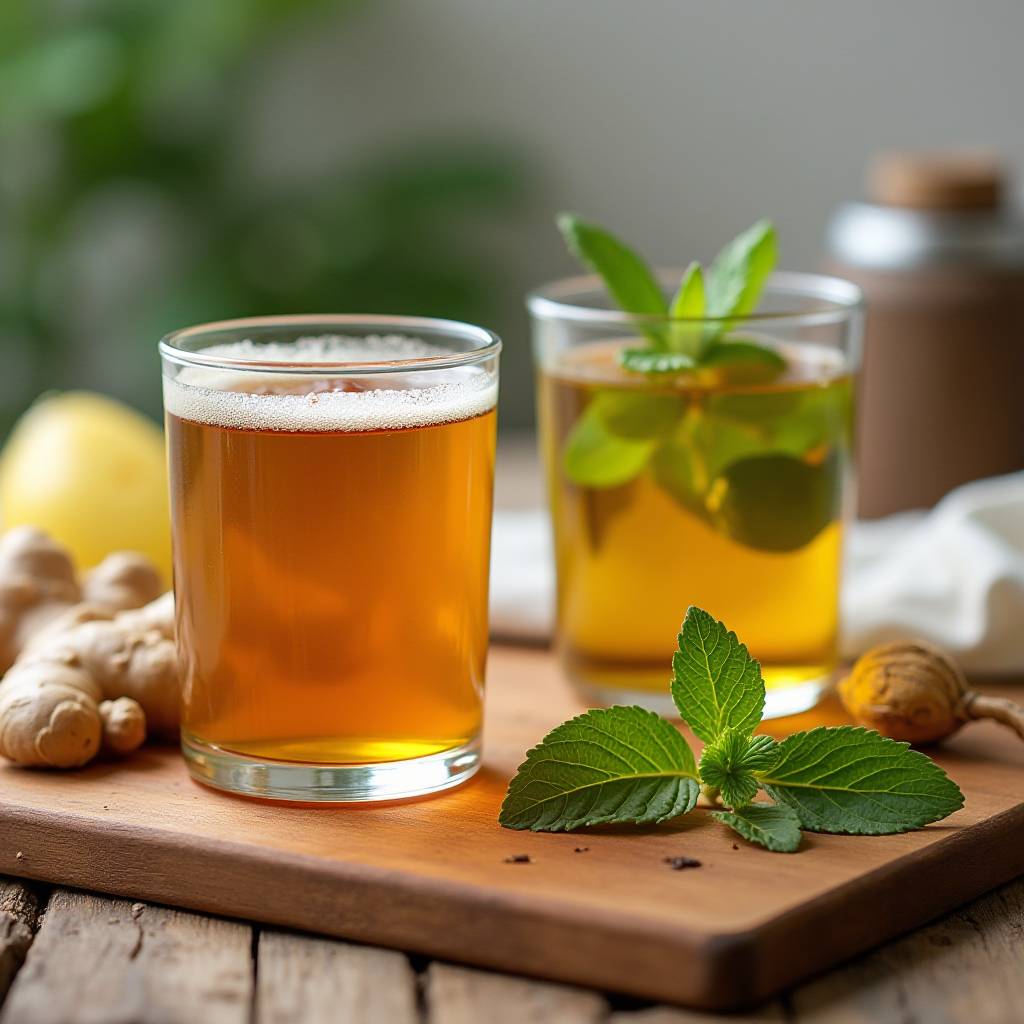
Peppermint tea is one of the most widely used and well-studied herbal teas for IBS. The leaves of the peppermint plant contain natural compounds such as menthol, which helps relax the muscles of the digestive tract. Because of this relaxing effect, peppermint tea is associated with easing intestinal spasms and reducing discomfort. Clinical studies have shown that peppermint oil can significantly reduce abdominal pain, bloating, and urgency in people with IBS. For individuals with IBS who experience cramping and spasms as their primary symptoms, peppermint is among the best herbal teas for IBS. Many people drink peppermint tea after meals to help soothe the stomach and support digestion. The tea has a refreshing, minty flavour that is widely enjoyed.
Ginger tea has a long history as a digestive remedy in many traditional medical systems. The root of the ginger plant contains active compounds such as gingerols and shogaols, which are associated with digestive stimulation. Ginger tea is often used to support stomach comfort and reduce nausea. It may also help promote smoother digestion by encouraging normal movement in the digestive tract. For people with IBS who experience nausea, sluggish digestion, or constipation-predominant symptoms, ginger is an excellent choice. It is also anti-inflammatory, which may benefit those with underlying gut inflammation. Ginger tea has a warm, spicy, slightly sweet flavour that is pleasant and comforting. Among herbal teas for IBS, ginger is particularly valuable for those with the constipation subtype.
Fennel tea is a classic carminative herb that helps reduce gas and bloating – two of the most common and distressing IBS symptoms. Fennel contains volatile oils that relax the digestive smooth muscle and encourage the release of trapped gas. It also has mild antispasmodic properties that can help reduce cramping. For individuals with IBS whose primary symptoms are bloating and distension, fennel is among the best herbal teas for IBS. The tea has a mild, sweet, liquorice-like flavour that is pleasant and well tolerated. It can be consumed after meals to prevent bloating or during acute episodes for relief.
Chamomile tea offers gentle antispasmodic and anti-inflammatory effects for the digestive tract. Its primary active compound, apigenin, binds to GABA receptors, producing mild muscle relaxation throughout the body, including the intestines. Chamomile is particularly useful for IBS symptoms that are triggered or worsened by stress and anxiety, as it also has calming effects on the nervous system. Unlike stronger herbs that can cause drowsiness, chamomile is mild enough for daytime use. For those whose IBS flares during periods of tension, chamomile ranks among the best herbal teas for IBS. The tea has a mild, floral, apple-like flavour that most people find pleasant.
Lemon balm tea has antispasmodic and carminative properties that make it valuable for IBS, particularly when stress is a trigger. The gut-brain axis plays a significant role in IBS, and lemon balm addresses both the digestive symptoms and the underlying nervous system activation. Research suggests that lemon balm can reduce the severity of abdominal pain and bloating in people with functional gastrointestinal disorders. Its mild, citrusy flavour makes it pleasant to drink, and it blends exceptionally well with other IBS-supporting herbs like peppermint and chamomile. For those seeking herbal teas for IBS that address the stress component, lemon balm is an excellent choice.
Turmeric tea provides powerful anti-inflammatory effects that may benefit IBS sufferers, particularly those with post-infectious IBS or inflammatory components. Curcumin, the active compound in turmeric, has been shown to reduce intestinal inflammation and improve gut barrier function. Some studies suggest that curcumin can reduce abdominal pain and improve quality of life in people with IBS. Turmeric is often combined with ginger and black pepper to enhance absorption. For those whose IBS symptoms have an inflammatory component, turmeric is among the best herbal teas for IBS for long-term support. The tea has a warm, earthy, slightly bitter flavour that is often improved with ginger, honey, or milk.
How to choose the right tea for your IBS symptoms
Selecting the best herbal teas for IBS depends on your specific symptom pattern and IBS subtype.
For IBS with cramping and spasms as primary symptoms: Peppermint tea has the strongest evidence for reducing intestinal spasms and abdominal pain. This is the first-line herbal choice for spasmodic IBS.
For IBS with constipation (IBS-C): Ginger tea stimulates digestive motility and helps move food through the digestive tract more efficiently. Fennel also has mild laxative effects.
For IBS with diarrhoea (IBS-D): Chamomile and peppermint can help reduce intestinal muscle contractions and slow transit time. Both have antispasmodic properties.
For IBS with bloating as the primary symptom: Fennel tea is specifically indicated for reducing trapped gas and bloating. Peppermint also helps.
For IBS triggered by stress and anxiety: Chamomile and lemon balm address both the digestive symptoms and the underlying nervous system activation. These are excellent herbal teas for IBS for stress-related flares.
For IBS with post-infectious or inflammatory features: Turmeric tea provides anti-inflammatory support that may benefit those with ongoing low-grade intestinal inflammation.
For those who are pregnant or breastfeeding: Ginger in moderate amounts is generally considered safe. Chamomile is also often well tolerated. Peppermint and fennel should be discussed with a healthcare provider.
How to use herbal teas for IBS effectively
Timing and consistency matter when using herbal teas for IBS.
For daily maintenance and prevention – drink one to two cups of peppermint, chamomile, or fennel tea daily. Consistency is more important than quantity. A single cup at the same time each day produces better results than sporadic larger amounts.
At the first sign of symptoms – when you feel cramping, bloating, or discomfort beginning, drink a cup of peppermint or chamomile tea immediately. Do not wait to see if the feeling passes. The earlier you intervene, the more effective the tea is likely to be.
After meals – if you experience postprandial (after-eating) symptoms, drink peppermint or fennel tea within thirty minutes of finishing your meal. This helps prevent gas and bloating from building up.
During acute flares – for moderate symptoms, drink peppermint or chamomile tea slowly, focusing on your breath. Allow fifteen to thirty minutes for effects to be noticed. Repeat as needed, up to three cups daily during symptomatic periods.
For stress-related flares – when you know you are entering a stressful period (deadlines, travel, family events), increase your intake of lemon balm or chamomile tea preventively. This can help reduce the likelihood of stress-triggered symptoms.
Rotate your herbs – using the same herb every day can lead to tolerance. Rotate between peppermint, chamomile, ginger, and fennel. A common pattern is to use peppermint for two weeks, then switch to chamomile for two weeks.
Brewing method matters – most IBS-supporting herbs should be steeped for five to ten minutes in freshly boiled water, covered to prevent volatile oils from escaping. Peppermint and fennel release their active compounds quickly, while ginger root may benefit from a longer steep of ten to fifteen minutes.
Safety considerations
Most herbal teas for IBS are safe for regular use when taken as directed. However, several precautions apply.
Peppermint tea may worsen acid reflux in some individuals. Those with GERD or hiatal hernia should use with caution. Peppermint is generally safe for IBS but may not be suitable for those with concurrent reflux.
Ginger tea is generally very safe but may interact with blood-thinning medications in very large amounts. It may also lower blood sugar, so those with diabetes should monitor their levels.
Fennel tea is generally safe but may interact with blood-thinning medications. Pregnant women should consult a healthcare provider before regular use.
Chamomile tea may cause allergic reactions in individuals sensitive to ragweed, chrysanthemums, marigolds, or other plants in the Asteraceae family.
Lemon balm tea is generally very safe but may interact with thyroid medications and sedatives.
Turmeric tea may interact with blood thinners and can cause digestive upset in large amounts. Adding black pepper significantly increases absorption of curcumin.
If you have been diagnosed with IBS, are taking medication, or are pregnant, consult your healthcare provider before using herbal teas medicinally. Herbal teas for IBS are complementary supports, not replacements for prescribed treatment.
FAQ
Is peppermint tea good for IBS?
Yes. Peppermint tea helps relax digestive muscles and reduce intestinal spasms, making it particularly effective for abdominal pain, cramping, and bloating in IBS.
Can ginger tea help IBS symptoms?
Yes. Ginger tea is often used to support digestion, reduce nausea, and stimulate motility. It may be particularly beneficial for those with constipation-predominant IBS.
How often can I drink herbal teas for IBS?
Many people drink peppermint, chamomile, or fennel tea once or twice daily, particularly after meals. Rotating between different herbs provides broader benefits and reduces the risk of developing tolerance.
How long does it take for herbal tea to work for IBS?
For acute symptoms like cramping and bloating, peppermint and chamomile may produce noticeable effects within thirty to sixty minutes. For long-term management, consistent daily use over several weeks is recommended.
Can I drink herbal teas for IBS while taking medication?
Some herbal teas may interact with medications. Peppermint may affect how the body processes certain drugs. Always consult your healthcare provider before combining herbal teas with prescription medications.
Conclusion
The best herbal teas for IBS offer gentle, natural support for a condition that can be difficult to manage. Peppermint is the most studied and effective for abdominal pain, cramping, and bloating. Ginger supports motility and is particularly useful for constipation-predominant IBS and nausea. Fennel specifically targets gas and bloating. Chamomile and lemon balm address the stress-gut connection, making them valuable for stress-related flares. Turmeric provides anti-inflammatory support for those with underlying inflammation. By matching the herb to your specific symptom pattern – peppermint for spasms, ginger for constipation, fennel for bloating, chamomile for stress-related symptoms – and using them consistently, herbal teas can become a valuable part of your IBS management routine.
Recommended Products 🌿
“If you’d like to try the teas mentioned in this article, we’ve curated a selection of high-quality, tested sources below. Every product we recommend has been chosen for purity and potency, or visit our online Herbal Tea Shop for even more choice”.
👉 Best to try first: Peppermint Tea
Peppermint relaxes digestive muscles and eases intestinal spasms – the most studied herbal tea for IBS-related cramping and discomfort.
Peppermint tea (loose leaf)
Peppermint tea bags
Ginger tea bags
Manuka Honey
High-quality Garlic press
Tea infuser
Glass teapot
Storage boxes
Assortment Box
Visit our online Herbal Tea Shop for more choice.
Do you read novels? Visit our bookshop to check out the culturally grounded, Otherworldly narratives by Owen Jones.
Further Reading
For a full evidence-based overview of herbal tea benefits, safety, and quality considerations, read our complete guide to Herbal Tea Benefits.
1] For more on digestive support, see Best Herbal Teas for Digestion
2] To understand how herbal teas help with bloating, see Best Herbal Teas for Bloating
3] For information on stress-related digestive issues, see Herbal Teas for Gut Health
4] For safety guidance on herbal teas, see Are Herbal Teas Safe?
Visit our bookshop to check out the ‘culturally grounded, Otherworldly narratives’ by Owen Jones.
References
1] National Health Service (NHS) – Indigestion
Provides medical guidance on digestive symptoms and self-care.
2] National Center for Complementary and Integrative Health (NCCIH) – Peppermint Oil
Summarises research on peppermint for IBS and digestive health.
3] National Center for Complementary and Integrative Health (NCCIH) – Ginger
Offers evidence-based information on ginger for nausea and digestion.
4] Cleveland Clinic – Herbal Teas for Digestion
Provides practical recommendations for using herbal teas to support digestive health.