
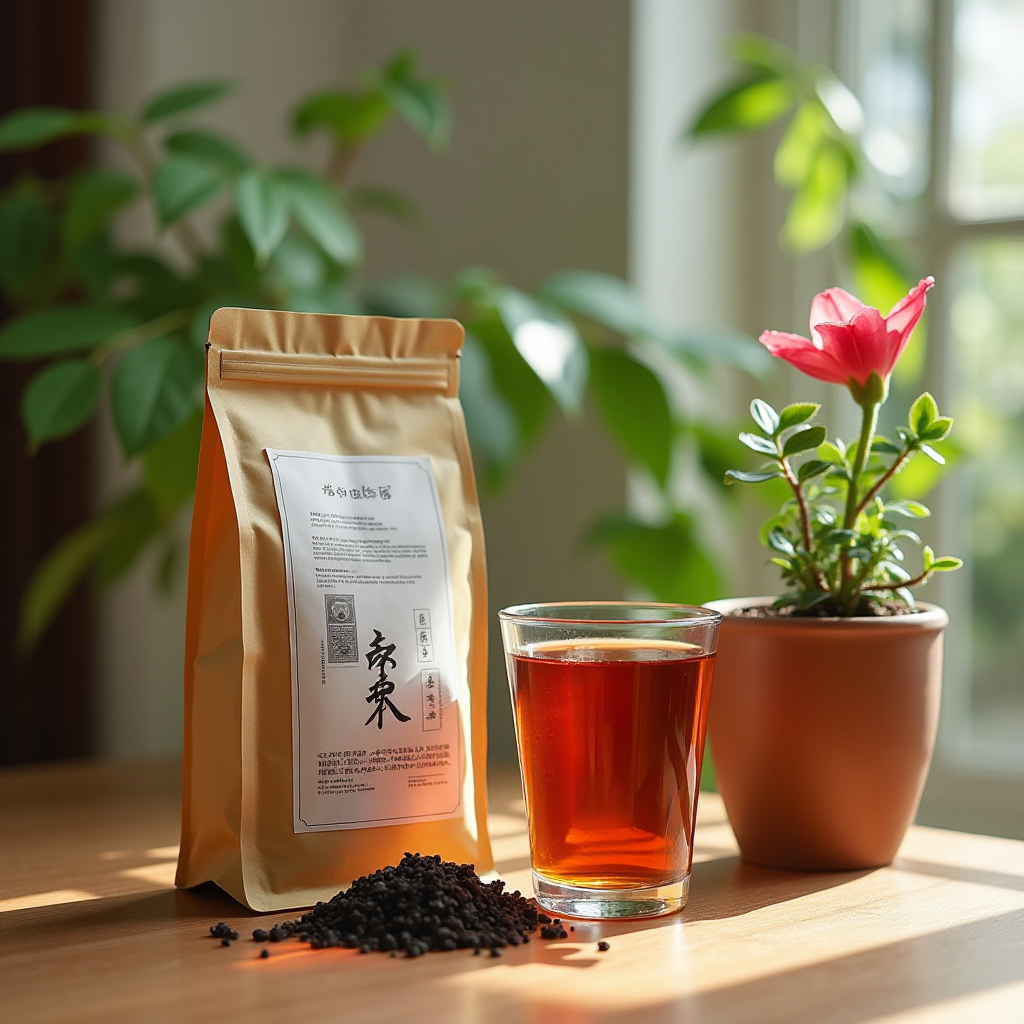

The traditional Chinese tea that bridges green and black
Oolong tea, made from the leaves of the Camellia sinensis plant, is a traditional Chinese tea that occupies a unique space between green and black tea. Unlike green tea, which is quickly heated to prevent oxidation, or black tea, which is fully oxidised, oolong is partially oxidised. Depending on the producer, oxidation levels can range from as low as 10% (closer to green tea) to as high as 70% (closer to black tea). This partial oxidation gives oolong its distinctive character: a complex flavour profile that can be floral, creamy, fruity, or toasty, with none of the grassiness of green tea or the astringency of black tea. Oolong tea is particularly valued for its potential to support weight management, boost metabolism, improve mental alertness, and provide antioxidant protection. For those seeking a flavorful, moderately caffeinated tea with genuine health benefits, oolong is an excellent choice.
If you’d like to try these teas for yourself, we’ve curated a selection of high-quality, tested sources below. Every product we recommend has been chosen for purity and potency, or visit our online Herbal Tea Shop for even more choice.
Looking for a specific herbal tea? Browse the full A–Z list here:
Herbal Teas A-Z List
Get the Free Herbal Tea Shop Cheat Sheet
What oolong tea is and how it works
Oolong tea (Camellia sinensis) is made from the same plant as green tea, black tea, and white tea. The differences between these teas lie in how the leaves are processed after harvesting. For oolong, the leaves are withered, bruised to initiate oxidation, and then heated to stop the oxidation at a specific point – neither fully green nor fully black. This partial oxidation creates the wide range of flavours and colours associated with oolong.
The primary active compounds in oolong tea include catechins (such as EGCG, though lower than green tea), theaflavins (oxidised catechins also found in black tea), thearubigins, caffeine, and flavonoids (such as quercetin and kaempferol). These compounds work through several mechanisms: thermogenic effects (slightly increasing energy expenditure), fat oxidation enhancement (helping the body burn fat for fuel), antioxidant activity (protecting cells from oxidative damage), mild stimulant effects (improving alertness and focus), blood sugar regulation (improving insulin sensitivity), and anti-inflammatory actions (reducing inflammation). When prepared as a tea, these compounds are extracted into the water, providing a gentle but effective way to support metabolic and overall health.
Unlike green tea, which can be grassy and vegetal, or black tea, which can be bold and astringent, oolong tea is prized for its smooth, complex, and often creamy flavour. It is a favourite among tea connoisseurs.

Key health benefits of oolong tea
Weight management and metabolism support is one of the most well-documented benefits of oolong tea. Some studies suggest that oolong tea may be even more effective than green tea at increasing energy expenditure and fat oxidation. One study found that drinking oolong increased energy expenditure by up to 3% over two hours. The combination of catechins and caffeine works synergistically to enhance thermogenesis. For those seeking natural support for weight management, oolong tea is an excellent choice.
Fat oxidation enhancement is a related benefit. Oolong has been shown to help the body burn fat for fuel, particularly during exercise. Drinking oolong tea before physical activity may increase the amount of fat burned during the workout. This effect is modest but meaningful when combined with regular exercise.
Heart health support is another significant benefit. Oolong tea has been shown to help lower LDL (“bad”) cholesterol and triglycerides while supporting HDL (“good”) cholesterol. Regular consumption may also help improve blood pressure and blood vessel function. These effects contribute to overall cardiovascular health.
Mental alertness and cognitive function benefit from oolong’s moderate caffeine content. The caffeine improves alertness, focus, and reaction time. Unlike coffee, which can cause jitters and anxiety in sensitive individuals, the caffeine in oolong tea is balanced by L-theanine, an amino acid that promotes relaxation without drowsiness. This combination produces a state of calm alertness.
Blood sugar regulation may be supported by oolong tea. Some studies suggest that oolong tea can improve insulin sensitivity and help stabilise blood glucose levels, which is beneficial for people with prediabetes or type 2 diabetes.
Antioxidant protection helps protect cells from oxidative damage. While oolong has lower catechin levels than green tea due to oxidation, it contains unique antioxidants (theaflavins and thearubigins) not found in green tea. These compounds have strong antioxidant properties.
Bone health may be supported by regular oolong tea consumption. Some studies suggest that long-term tea drinkers (including oolong) have higher bone mineral density and lower risk of fractures.
If you’d like to try these teas for yourself, we’ve curated a selection of high-quality, tested sources below. Every product we recommend has been chosen for purity and potency.
How to prepare oolong tea
Oolong tea requires careful preparation to bring out its complex flavours.
Water temperature: Use water that is 85–95°C (185–205°F), depending on the oxidation level. Lighter oolongs (closer to green tea) use lower temperatures; darker oolongs (closer to black tea) use higher temperatures. Amount: Use one teaspoon of loose leaf oolong per cup of water.
Steeping time: Steep for 2–5 minutes. Shorter steeping produces a lighter, more floral flavour; longer steeping produces a stronger, more robust flavour.
Multiple infusions: High-quality oolong tea leaves can be steeped 3–5 times. Each subsequent infusion requires slightly hotter water and longer steeping time.
Flavour: An infusion of Oolong has a complex flavour profile that can be floral, creamy, honey-like, fruity, nutty, or toasty, depending on the variety. It is smooth, never bitter, and has no astringency.
How to use oolong tea safely
Oolong is generally safe for most people when consumed in moderate amounts – one to three cups daily. However, several precautions apply.
Caffeine sensitivity: Oolong contains caffeine (approximately 30–50 mg per cup, less than coffee but more than green tea). Those sensitive to caffeine may experience jitters, anxiety, rapid heartbeat, or insomnia. Start with a small amount and avoid drinking oolong tea late in the day.
Iron absorption: The tannins in oolong tea can inhibit the absorption of non-heme iron (the type found in plant foods). Those with iron deficiency should drink oolong tea between meals rather than with iron-rich foods. – Pregnancy and breastfeeding: Moderate oolong tea consumption (one to two cups daily) is generally considered safe during pregnancy. However, excessive caffeine intake is associated with increased risk of miscarriage. Pregnant women should limit total caffeine intake to under 200mg daily (about four cups of oolong tea). Breastfeeding women should also moderate intake, as caffeine passes into breast milk.
Medication interactions: Oolong tea may interact with certain medications, including blood thinners (warfarin), blood pressure medications, and some antidepressants. The vitamin K in tea can interfere with warfarin. Consult your healthcare provider.
Children: Children can drink oolong in small amounts, but its caffeine content means it should be limited.
Recommended dosage
For general health benefits, one to two cups of oolong tea daily is sufficient. For weight management support, two to three cups daily may be consumed, ideally before or during exercise. Do not exceed four to five cups daily unless you are accustomed to caffeine.
Limitations of oolong tea
Oolong tea is not a substitute for medical treatment, particularly for obesity, diabetes, or heart disease. Its effects are modest and work best as part of a broader approach that includes a balanced diet, regular exercise, and appropriate medical care. Claims that oolong “melts fat” or “cures” metabolic disorders are unsupported; it is best understood as a supportive tool for overall health.
FAQ
Is oolong good for weight loss?
Yes. Oolong tea has been shown to increase energy expenditure and fat oxidation, particularly when combined with exercise. The effects are modest but meaningful as part of a weight management plan.
Does oolong tea have caffeine?
Yes. Oolong contains caffeine, typically 30–50 mg per cup, which is less than coffee (95 mg) but more than green tea (20–45 mg).
What does oolong taste like?
Oolong tea has a complex flavour profile that can be floral, creamy, honey-like, fruity, nutty, or toasty, depending on the variety. It is smooth, never bitter, and has no astringency.
Is oolong tea better than green tea for weight loss?
Some studies suggest oolong tea may be more effective than green tea for increasing energy expenditure, but both have benefits. Oolong also contains unique antioxidants not found in green tea.
Is oolong tea safe during pregnancy?
Moderate consumption (one to two cups daily) is generally considered safe, but limit total caffeine intake to under 200mg per day. Consult your healthcare provider.
Conclusion
Oolong tea is a traditional Chinese tea that offers a unique combination of flavour and health benefits. Its partial oxidation creates a smooth, complex, never-bitter flavour that appeals to tea connoisseurs and casual drinkers alike. Its ability to increase energy expenditure and fat oxidation makes it valuable for weight management. Its moderate caffeine content, balanced by L-theanine, provides calm alertness without the jitters of coffee. Its antioxidant and cardiovascular benefits support long-term health. For those seeking a delicious, health-supporting tea, oolong is an excellent choice.
Recommended Products
If you’d like to try these teas for yourself, we’ve curated a selection of high-quality, tested sources below. Every product we recommend has been chosen for purity and potency, or visit our online Herbal Tea Shop for even more choice.
Oolong tea (loose leaf): https://amzn.to/4mFm8yw
Oolong tea bags: https://amzn.to/4cI37XG
Green tea (loose leaf): https://amzn.to/4lV0bLO
Manuka Honey: https://amzn.to/47p7i9g
High-quality Garlic press: https://amzn.to/4sFBsxD
Tea infuser: https://amzn.to/4lAToGE
Glass teapot: https://amzn.to/4snGsGY
Storage boxes: https://amzn.to/47UQgQf
Assortment Box: https://amzn.to/3NFO9ZJ
Visit our online Herbal Tea Shop for more choice!
Do you read novels? Visit our bookshop to check out the ‘culturally grounded, Otherworldly narratives’ by Owen Jones.
Looking for a specific herbal tea? Browse the full A–Z list here:
Herbal Teas A-Z List
Get the Free Herbal Tea Shop Cheat Sheet
Further Reading
For a full evidence-based overview of herbal tea benefits, safety, and quality considerations, read our complete guide to Herbal Tea Benefits
1] For more on weight management, see:
Herbal Tea for Weight Loss
2] For metabolism boosting, see:
Herbal Teas for Boosting Metabolism
3] For green tea comparison, see:
Green Tea Benefits
4] For safety guidance on caffeinated teas, see:
Are Herbal Teas Safe?
5] For potential interactions with medications, see:
Herbal Tea and Medication
Visit our bookshop to check out the ‘culturally grounded, Otherworldly narratives’ by Owen Jones.
References
1] National Center for Complementary and Integrative Health (NCCIH) – Green Tea
Provides evidence-based information on tea catechins and health effects (applies to oolong as well).
2] National Institutes of Health (NIH) – Oolong Tea and Metabolism
Peer-reviewed study on oolong tea’s effects on energy expenditure.
3] Harvard T.H. Chan School of Public Health – Tea
Provides practical guidance on tea types and health benefits.
4] Cleveland Clinic – Oolong Tea Benefits
Provides practical recommendations for oolong tea uses and benefits.